

Why we use Infrared Curing for Wafer Tools
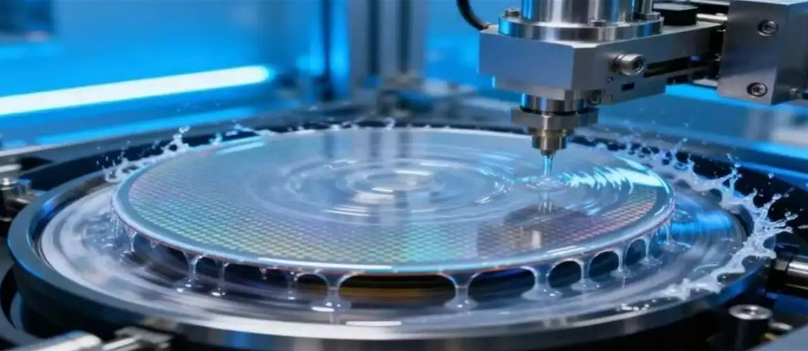
If you’re working with lead-free or eco-friendly mandates, you know the pressure. You can’t just “get close” to the requirements; you have to hit them perfectly. That’s where IR curing comes in. Think about a standard convection oven. It heats up the whole room just to warm up a plate. It’s a waste. IR lamps are different. They point the energy straight at the wafer surface. It’s direct. It’s fast. Since we’re using short-wave or medium-wave IR, the energy jumps straight into the substrate. You aren’t wasting time heating up massive volumes of air or messing around with solvent-based carriers. The heat goes where it belongs—into the wafer, not the tool walls. Your power bill thanks you, and your fab footprint stays small. And then there’s the “clean” factor. Old-school curing usually needs chemical catalysts or crazy heat that lets off volatile organic compounds (VOCs). Nobody wants that in their lungs or their process. IR doesn’t need those additives. You get a dry, clean process without worrying about lead contamination or hazardous fumes floating around. Now, here’s the catch. These lamps put out a massive amount of heat in a very short window. You can cure a wafer in seconds, which feels like magic until you look at your cooling system. If your heat exchangers aren’t up to the task, the ambient temperature climbs, and suddenly your sensor readings start drifting. It’s a headache. To stop that from happening, we always pair the lamps with high-precision pyrometers. It keeps things from getting too hot to handle. When it comes to the day-to-day, we kept it simple. If a lamp burns out, you just swap it. You don’t have to spend hours recalibrating the entire thermal profile. Plus, there are no fans or blowers kicking up dust in the heating zone. Less moving parts means fewer particles, which means your cleanroom specs actually stay where they’re supposed to be.