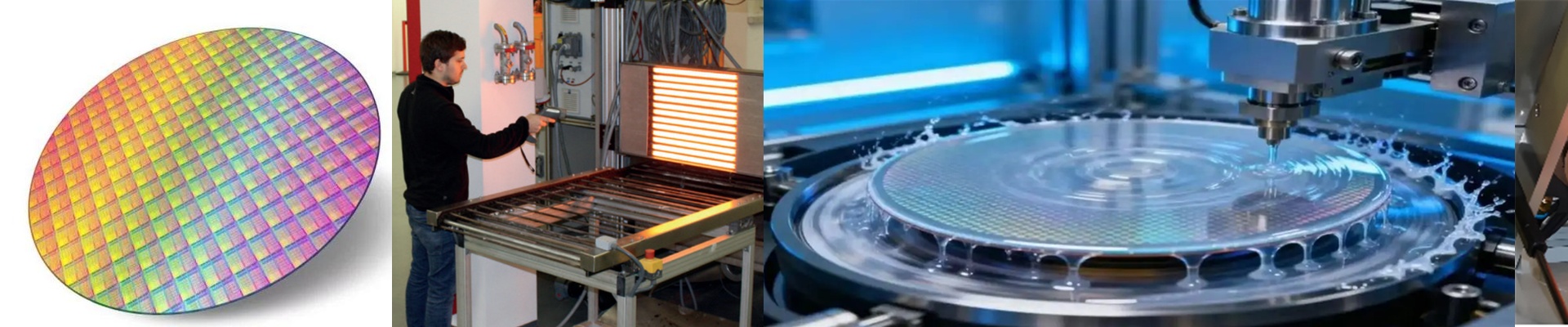
Why We’re Switching to IR Curing for Smart Sensors
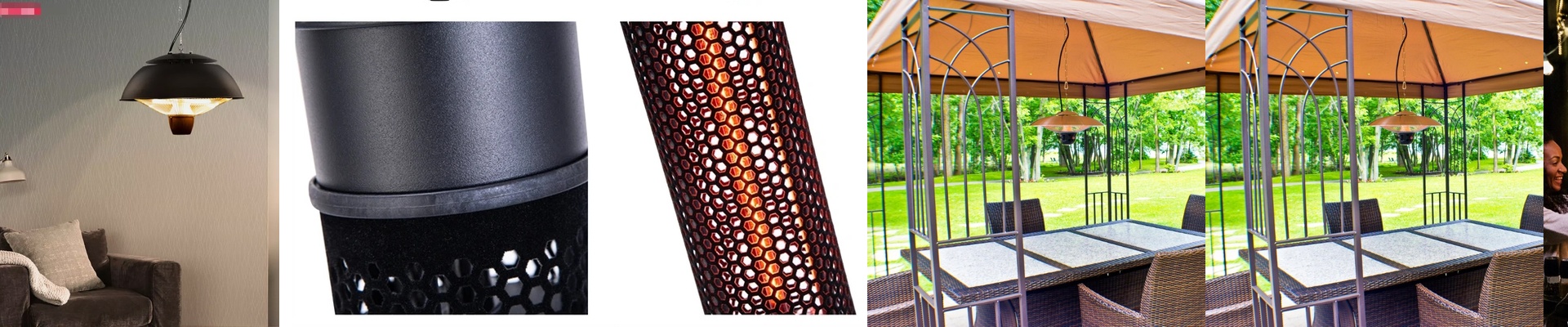
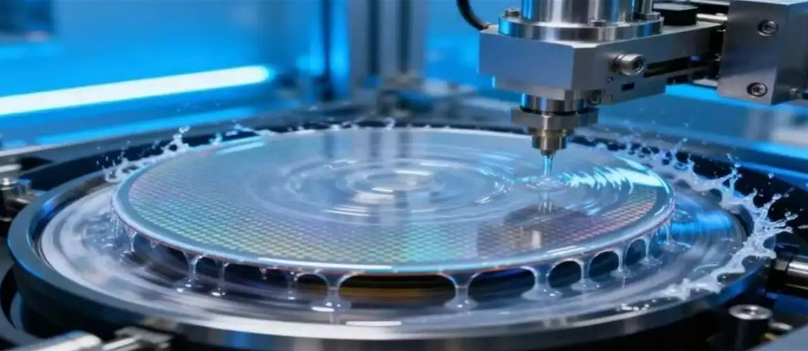
When it comes to packaging smart sensors, we have to get the adhesives dry and the chips encapsulated just right. For a long time, everyone just used convection ovens. But those are basically giant hair dryers—they heat up all the air in the room just to get the part warm. That’s why we’ve moved toward infrared (IR) lamps. Instead of heating the air, IR sends energy straight into the substrate. It’s a totally different way of thinking about heat, and it’s changing how we handle the whole assembly line. Saving power (and sanity) Convection systems are energy hogs. You spend half your morning waiting for a massive oven chamber to warm up, wasting electricity on air that doesn’t even touch the product. With IR, we stop wasting time. The heat hits exactly where it needs to go. Your machines don’t have to idle for hours before they’re ready to work. Plus, since we’re only heating the material and not the whole room, the power bill drops. It makes hitting those “green” cleanroom goals a lot easier. The struggle with lead-free standards Lead-free soldering is a bit of a headache because it needs a very specific thermal profile. If you’re not careful, you’ll bake the edges of a sensor while the center is still wet. That’s a recipe for warped substrates or snapped gold wires. Here’s the trick: we can actually tune the IR wavelength. By switching between short-wave and medium-wave, we control how deep the heat goes. We hit that peak temperature needed for lead-free materials without soaking the entire component in heat. It keeps the stress off the parts. It’s not all magic, though Now, IR is fast. Really fast. But you can’t just crank the dial and walk away. If you push it too hard, you get “skinning.” That’s when the surface cures instantly, trapping solvents underneath. You end up with bubbles or voids that ruin the part. And if you get too greedy with the wattage to shave a few seconds off your cycle time, you’ll literally burn the edges of your organic substrates. It’s all about the balance. You have to dial in the conveyor speed and lamp intensity just right. Once you find that sweet spot, though, it’s a completely different league.