
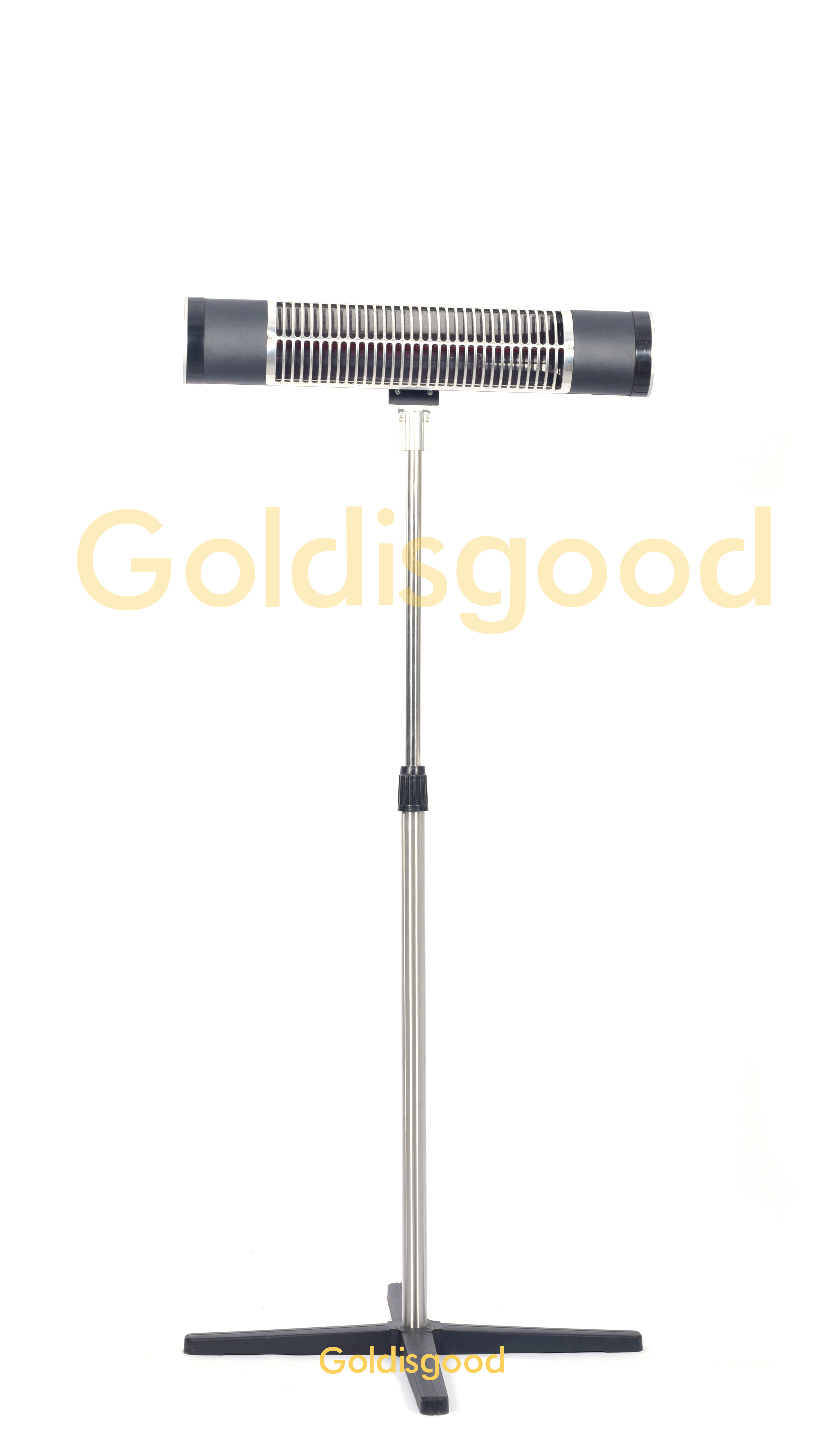
Keeping Transition Zones Warm Without the Headache
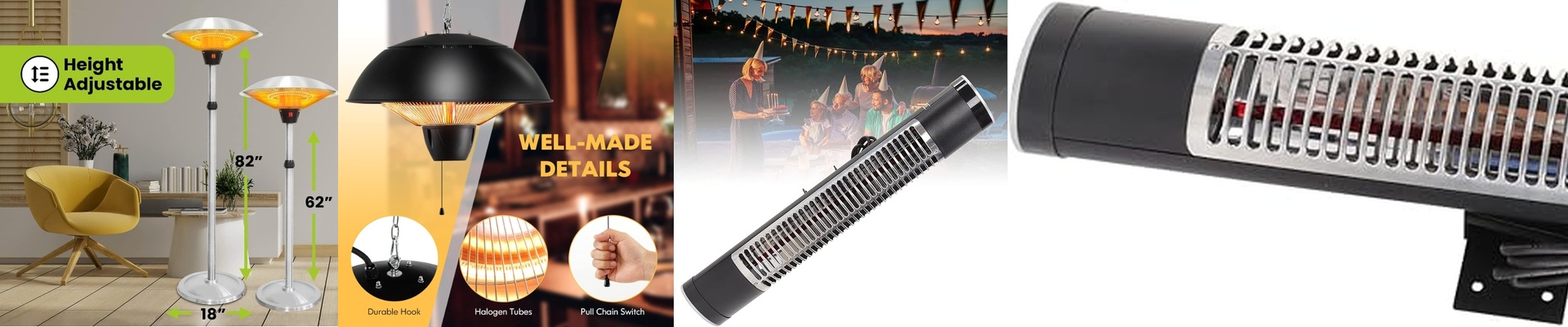
Ever walked into a changing room or a breezy outdoor corridor in the middle of winter? It’s brutal. You’re shivering, the air is freezing, and traditional heaters just can’t keep up because the heat escapes as fast as it’s made. That’s why we lean on shortwave infrared. Instead of trying to warm up the air—which is basically a losing battle in an open space—these units beam heat directly onto people and objects. It’s the difference between waiting for a room to warm up and feeling the sun hit your face on a cold day. It happens in seconds. Dealing with the elements If you’re putting these in a patio or a humid locker room, you’ve got to worry about dust and moisture. We use an IP55 rating for a reason. In plain English? It means the housing is tight enough to keep out dust and can handle a spray of water from any angle. It’s a simple seal, but it’s the only thing standing between your electrical terminals and a nasty short circuit. Why shortwave? There are different types of infrared, but shortwave is the way to go here. It travels faster and sinks deeper into the skin. You don’t get that “surface-level” warmth; you actually feel it. No waiting around. You step under the beam, and you’re warm. Period. A few things to watch out for Now, there are a couple of catches. These units pull a decent amount of power. If you cram a bunch of them into one small area, your circuit load is going to spike. Double-check your breakers before you flip the switch, or you’ll be spending your afternoon resetting them. Also, be careful where you point them. Shortwave heat is intense. If you aim a beam directly at a plastic fixture, you might find that plastic starting to warp. Just angle them away from the furniture and you’re golden. Setting them up We made these to be as easy as possible to install. They fit right into standard outdoor mounts, so you aren’t reinventing the wheel. Inside, we kept things simple. If a heating element ever goes out, you can swap it without having to rip the whole housing off the wall. Just give the seals a quick look every now and then to make sure they’re still tight, and they’ll keep doing their job.