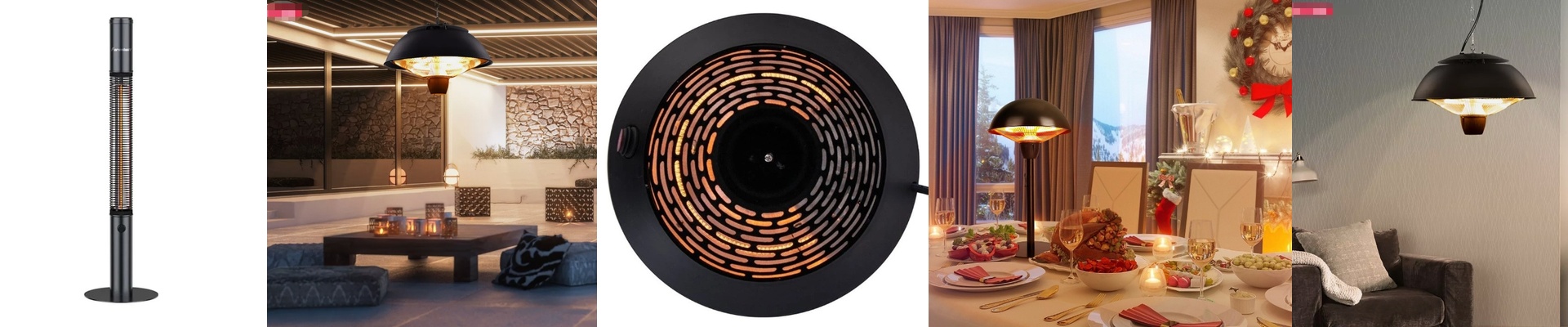
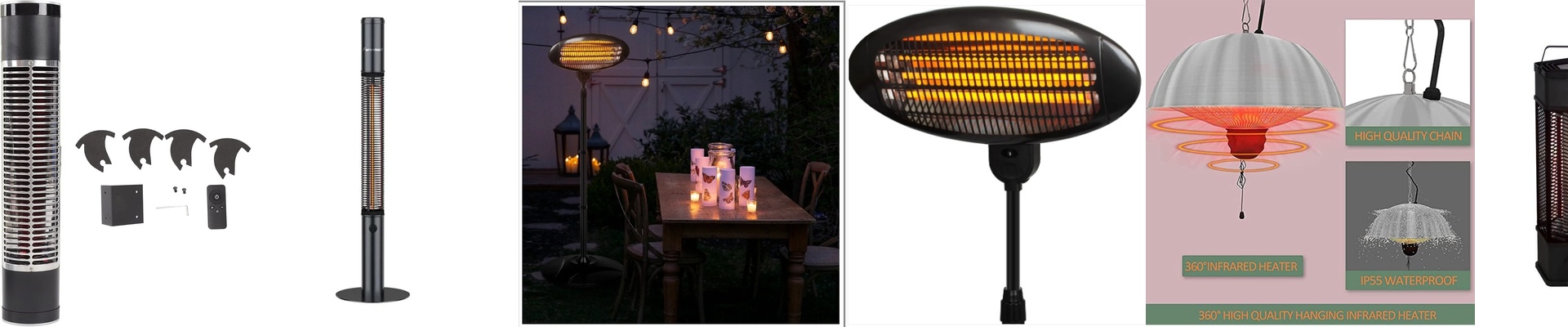

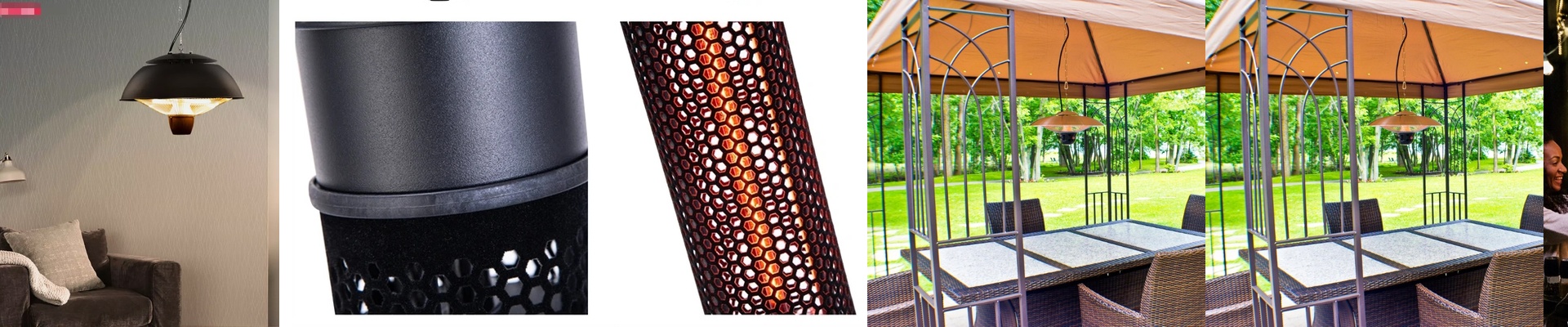
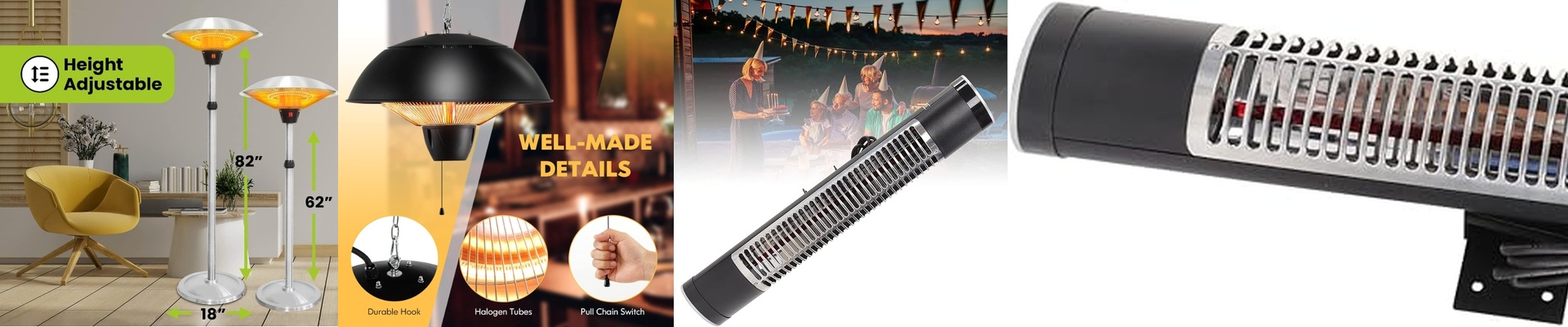
A half-open commercial corridor is a headache to heat. Drafts pour in from both ends, and foot traffic keeps shifting the demand. Run a conventional heater nonstop and the energy bills climb. Under-heat it, and you hear about it from guests and staff—comfort falls apart, productivity drops, and the complaints pile up.
What matters, technically
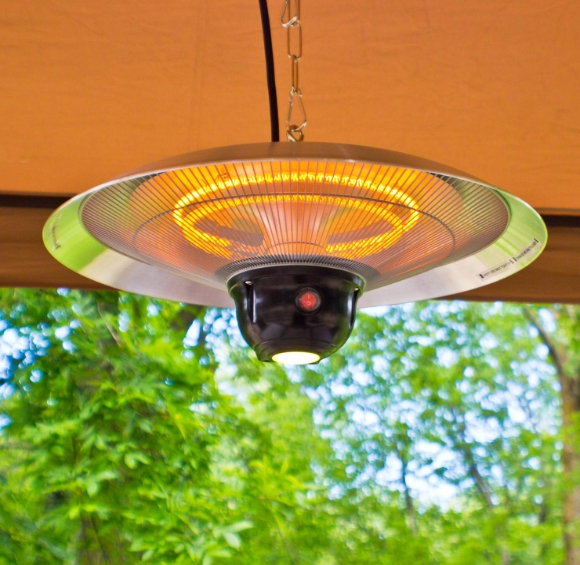
We lean on infrared warmth here, driven by a short-wave quartz tube element. It heats people and objects directly, not the air, so comfort hits fast even when the surrounding air is cool. Add an integrated smart sensor that watches for motion and tracks ambient temperature, and the unit drops into standby when the corridor is quiet, then wakes before people arrive. The upshot is on-demand radiant heat, not constant waste.
Why this approach fits
In a semi-open space, the sensor keeps the heater from running into the void. When traffic thins, power draw drops. When the corridor fills back up, warmth comes back quickly. That means fewer kilowatt-hours each month, and a steadier feel that isn’t fighting drafts. For businesses, it supports eco-conscious operation without sacrificing comfort—no blasts of hot air, no long chilly gaps.
What to keep in mind
Infrared heat is directional, so placement matters. Mount the heater to cover the main walk path and aim the beam where people naturally pause. Because the corridor is semi-open, pair the unit with an IP-rated enclosure to keep the internals protected from the elements. Warm-up times will be a bit longer than forced-air units, and the wiring needs to match the heater’s dedicated circuit.