Cold does more than make people uncomfortable. It hits your bottom line. Watch a barista trying to work with numb fingers at the espresso machine, or travelers huddled on a platform—those moments tell you the heat you’re using isn’t doing its job. The wrong kind of heat—slow, drafty, noisy—doesn’t just fail to warm. It slows service, dulls the experience, and quietly eats into operating costs. Infrared heaters were built to fix that: warmth where people are, the second they need it.
What actually matters, technically
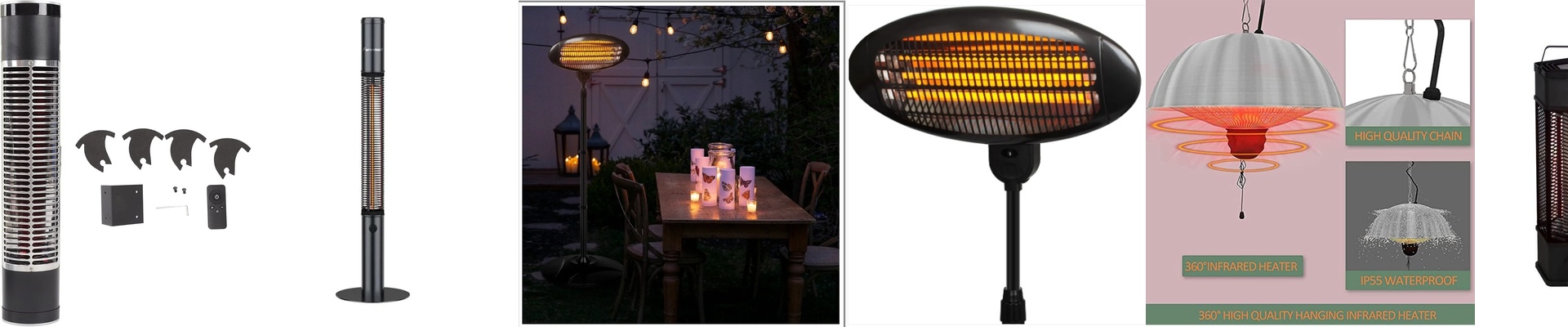
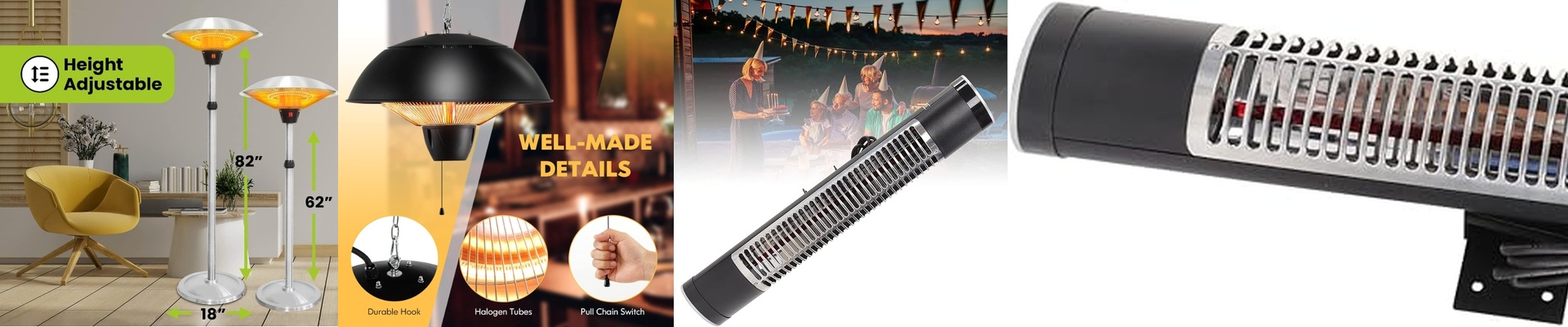
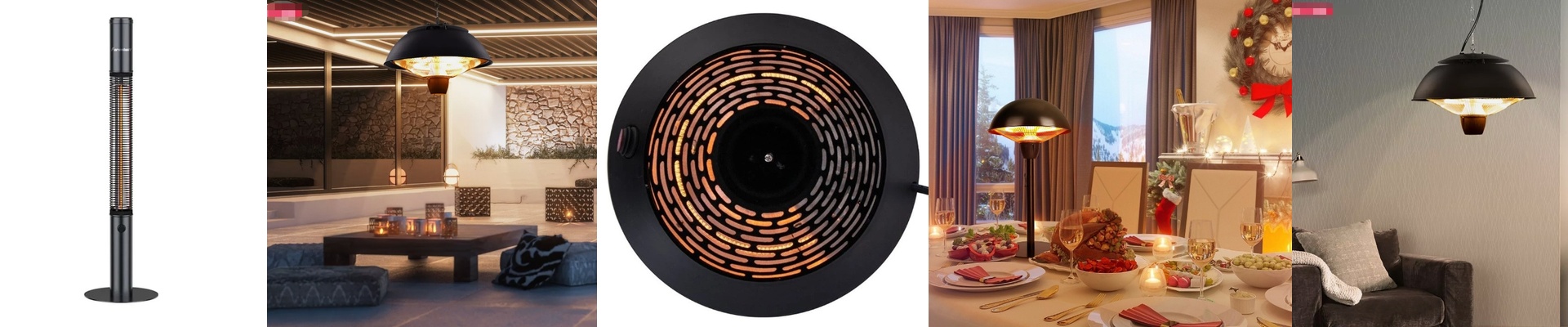
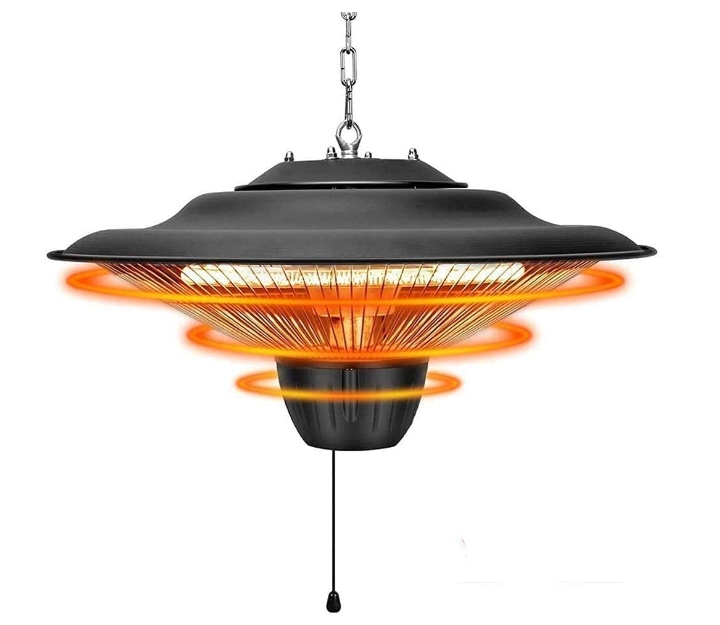
Infrared is direct, radiant heat—sunlight without the glare. It warms people and surfaces in its path, not the air around them. That’s the point. Air systems fight drafts, waste energy heating ceilings, and lag behind demand. Infrared responds immediately. We build our commercial infrared heaters around proven emitters: quartz tubes and carbon fiber elements. Quartz tubes deliver solid output with a focused heat pattern. Carbon fiber runs cooler at the surface and gives you broader, even coverage—handy where people are close by. The specs translate straight to comfort and control:
- Power and coverage: Units run from 1.5 kW to 5 kW. In practice, a 2 kW heater can cover roughly 15–20 square meters in an open indoor space, depending on ceiling height, insulation, and air movement.
- Voltage and wiring: You can spec 230 V with hardwired connections for commercial reliability. Plug-in options exist for lighter-duty spots, but fixed wiring is the default for high-use areas.
- Controls: Built-in thermostats hold the space at the set temperature. Many units also offer multiple heat settings, so you can match output to occupancy and the weather.
- Safety and durability: Tip-over protection shuts the unit off if it gets knocked. Overheat protection keeps temperatures from running away. Housings are built for high-traffic environments, and protective grilles keep the element safe from bumps.
- IP rating: For semi-exposed spots—under a sheltered platform, near an open café doorway—spec IP24 or higher to handle water splashes and dust. Fully sheltered indoor areas are fine with standard ratings. Infrared feels natural because it heats bodies and objects, not just air. You feel it as a directional warmth that arrives fast and stays steady.
Why this works in commercial and transit spaces
These places share the same headache: people come and go, doors swing open, and the building envelope is tough to control. Traditional heaters try to warm air that escapes the moment a door opens. Infrared sidesteps that problem. From coffee bars to train stations, the gains show up fast:
- Comfort on demand: A barista steps back from the counter and feels warmth right away. Travelers waiting for a connection stop shivering and settle in. Radiant heat delivers that “already warm” feeling without waiting for the room to turn over.
- Control where it counts: Heat goes where people stand, sit, and wait. No wasted energy on empty corners or the ceiling. In practice, you keep waiting areas comfortable without overheating circulation zones.
- Energy use that matches real life: Because infrared heats people and surfaces, it’s efficient in spaces with intermittent use. When occupancy drops, you can dial back or switch off, and the space cools quickly. Air heating tends to hold warmth in ductwork and empty rooms.
- Quiet operation: No fan noise competing with announcements or conversation. The heater delivers warmth, and the room feels calmer.
- Reliability under pressure: Stations and cafés run all day. Infrared heaters use simple, tough elements and straightforward controls. Fewer moving parts means fewer service calls, and that keeps operations moving. And it matters beyond the specs. A warm waiting area is a small act of care that makes transit more humane. A café that feels welcoming keeps customers seated longer. Warmth becomes part of the service, not an afterthought.
The practical stuff you need to get right
Infrared is straightforward, but the installation details matter.
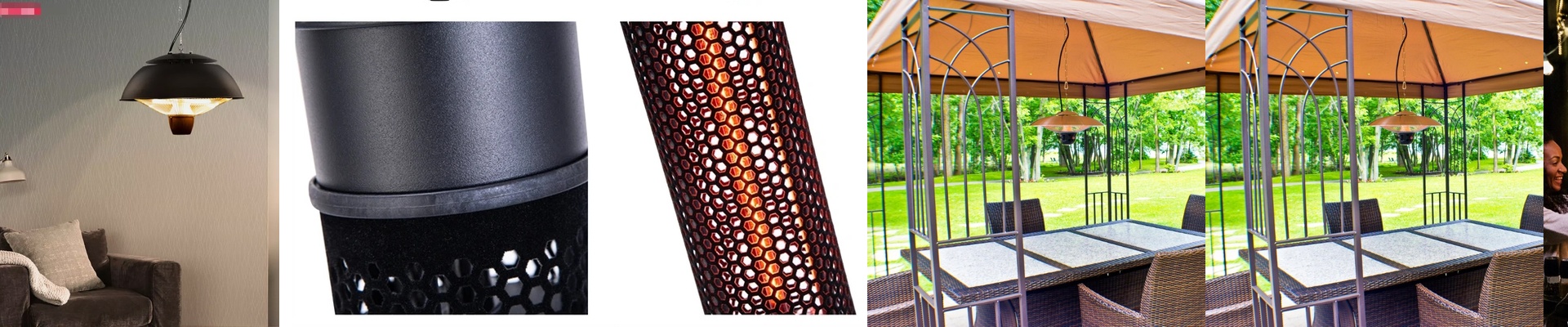
- Placement is half the job: Mount the heater 2–3 meters above the main occupancy zone, angled to cover seating or waiting lines. Too low and people feel heat on their heads. Too high and the beam spreads thin.
- Line of sight is the rule: Radiant heat travels straight. Walls, beams, and signage can cast “shadows” where warmth drops off. Plan coverage so the heat lands on people, not just floor space.
- Power and circuits: Commercial units are often hardwired. Make sure the circuit and protection match the heater’s current draw, and that the wiring meets local codes. Plug-ins are convenient, but reserve them for lighter loads and protected outlets.
- Environment matters: In fully exposed outdoor spots, infrared still warms people directly, but wind strips warmth away faster. For sheltered platforms or semi-outdoor cafés, choose an IP-rated heater and consider wind-breaking screens or partial enclosures to improve comfort.
- One honest trade-off: Infrared heats people and objects, not the air. In very drafty areas, the surrounding air can still feel cool. You get localized comfort—perfect for waiting lines and seating—but it won’t warm the whole building envelope. For open, drafty halls, pair infrared with targeted air heating in transition zones. Warmth should feel effortless. With the right infrared heater, it does—immediate, directional comfort that keeps people comfortable, keeps service moving, and keeps energy use aligned with how the space is actually used.