
Stop Fighting Your Heaters: Why Carbon Fiber IR Just Works
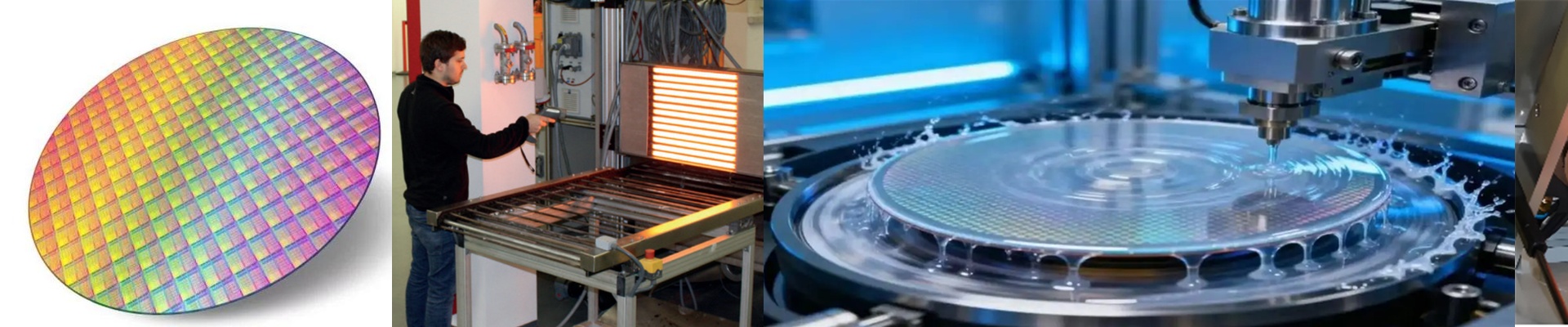
If you’re building out a modern fab, the last thing you want is a heating system that feels like it’s from the 1970s. Old-school heating is slow. It drags. And in a world where everything is digitized, that lag is a nightmare. That’s where carbon fiber infrared (IR) lamps come in. They’re fast. Really fast. They turn electricity into heat almost the second you flip the switch, which means your thermal output actually keeps up with your PLC data in real-time. Why carbon fiber? Think about those old metal coil lamps. They’re fragile. Carbon fiber is different. It handles “thermal shock” like a pro. You can kick the power on and off a thousand times a day and the filament isn’t just going to snap. Plus, it puts out a specific kind of medium-to-long wave heat. If you’re working with organic materials or various substrates, they just soak up this kind of heat better. It’s more efficient, and it feels a lot more reliable. Getting the data right A smart fab is all about the feedback loop. You want your heaters to talk to your sensors. Because these lamps don’t need time to “warm up,” you can tweak your temperature profile on the fly. No more waiting around for a convection oven to catch up. If your line speed jumps, you just crank the wattage and you’re instantly back in the sweet spot. It takes the guesswork out of the process. The honest trade-offs Look, nothing is perfect. These high-density arrays pull a lot of power. You’ve got to make sure your power distribution units can handle that initial surge, or you’re going to have a bad day. And then there’s the heat bleed. These lamps are focused, but they still put out a ton of energy. If you don’t put some decent shielding or cooling around your chassis, your equipment is going to take a beating. My advice? Wire the whole thing into your SCADA network. Stop treating your heating stage as some mystery cost and start tracking exactly how much energy you’re using per unit. It turns a blind spot into a number you can actually manage.