On the wafer floor, photoresist bake isn’t a debate—it’s yield, plain and simple. A half-degree drift in soft bake or hard bake will show up in critical dimension control, and a particle spike can wipe out an entire lot. That’s why the infrared lamp socket on your tool deserves the same engineering rigor you give the optics and the stage.
What matters under the hood
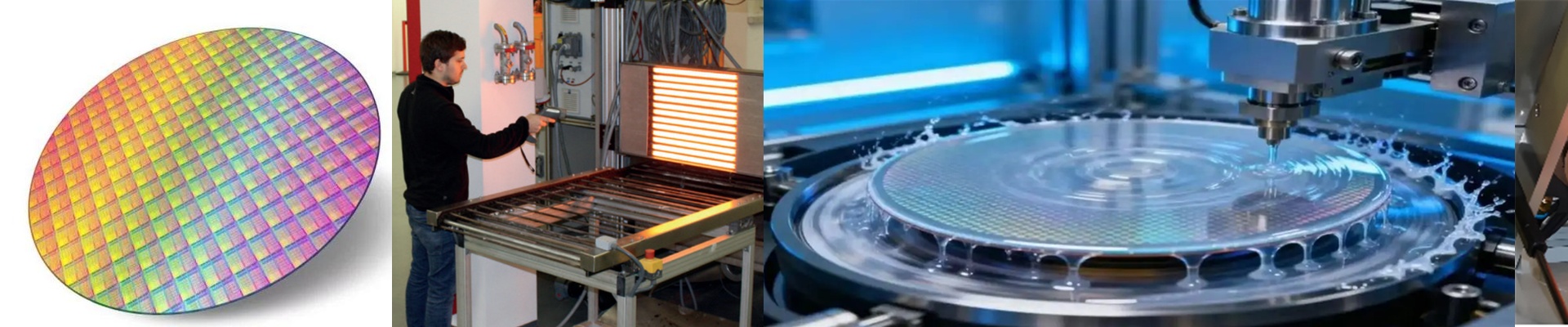
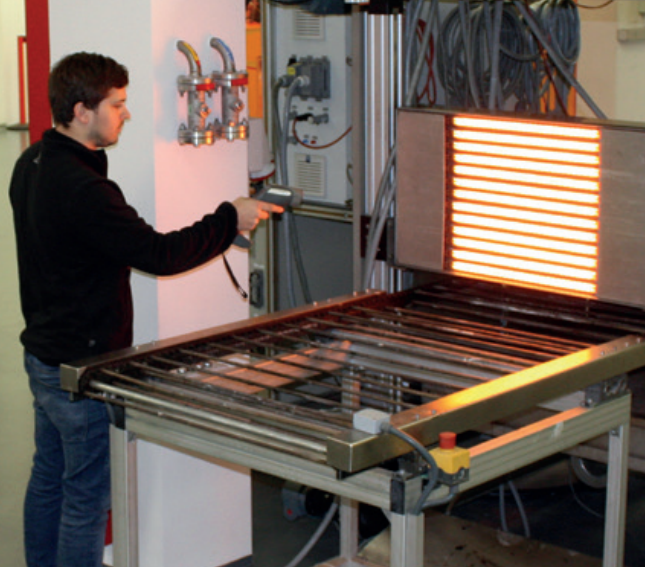
We design the infrared lamp socket for wafer tools around repeatable heat delivery. The NIR source is chosen so energy transfers fast and directly into quartz-based systems, hitting short-wave and medium-wave profiles without overshoot. Thermal uniformity across the bake zone stays within ±0.1°C, so the photoresist sees the same thermal budget, run after run. The socket interface is built for low particle performance in Class 1–100 cleanrooms, with materials selected to keep outgassing and flaking off the table. Electrical contact geometry and tolerance stack-up are specified to keep lamp ignition stable and power delivery consistent—even when the tool is running 24/7.
Why this holds up in real lines
In lithography, the bake has to land on the recipe—every time. This socket locks down the lamp-to-substrate thermal path, cutting line-width variation and giving you more process latitude across lots. In semiconductor packaging, where thermal profiles are tight and throughput is nonstop, it supports rapid ramps with minimal settling time, so cycle time drops without sacrificing repeatability. Energy draw is matched to the tool’s thermal load, so you don’t waste power that just becomes cabinet heat and chamber drift. Reliability shows up as fewer interruptions: field units run 5,000+ hours with output stability inside tight spec, which translates straight into less unplanned downtime.
The practical details you can’t skip
Compatibility is tool- and lamp-specific. Before you swap, confirm lamp base, wattage, envelope length, and connector style against your socket footprint and cooling constraints. Expect a quick re-qualification after install—re-tune the setpoint and confirm uniformity with your standard witness wafers. Treat the socket like a controlled interface, not a commodity part, and your process thermal signature stays predictable.