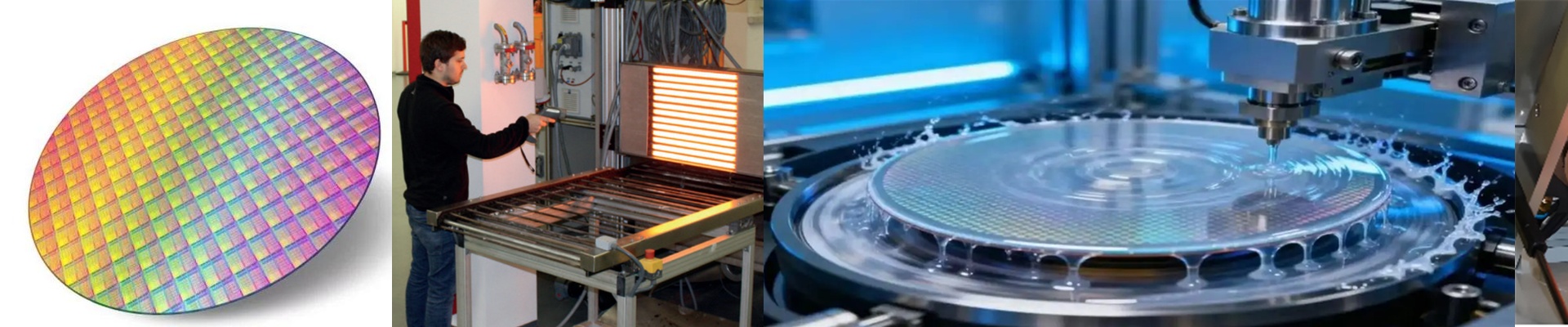
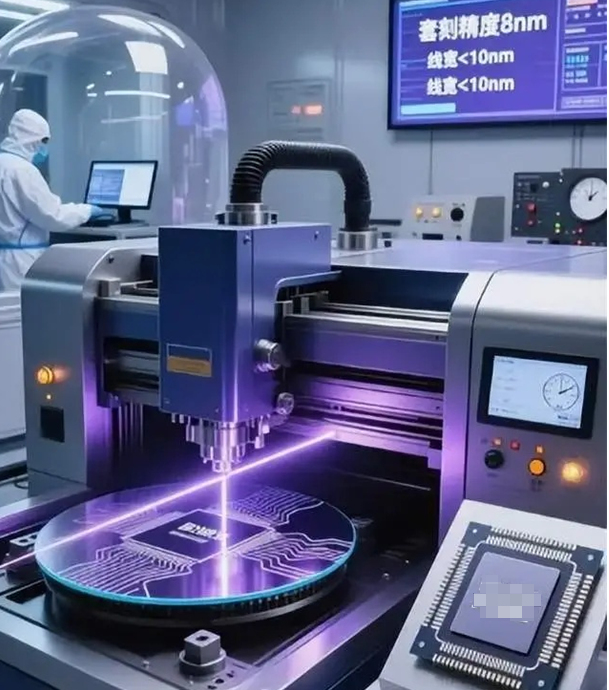
On the lithography floor, a 0.2°C drift during soft bake isn’t a footnote—it’s a yield hit. DUV photoresist locks in its critical dimensions in the first minutes of thermal conditioning, and the bake step controls solvent removal, film stress, and edge bead. When thermal uniformity slips, you get bridged features, scum lines, and CD excursions that can scrap entire lots.
What matters under the hood
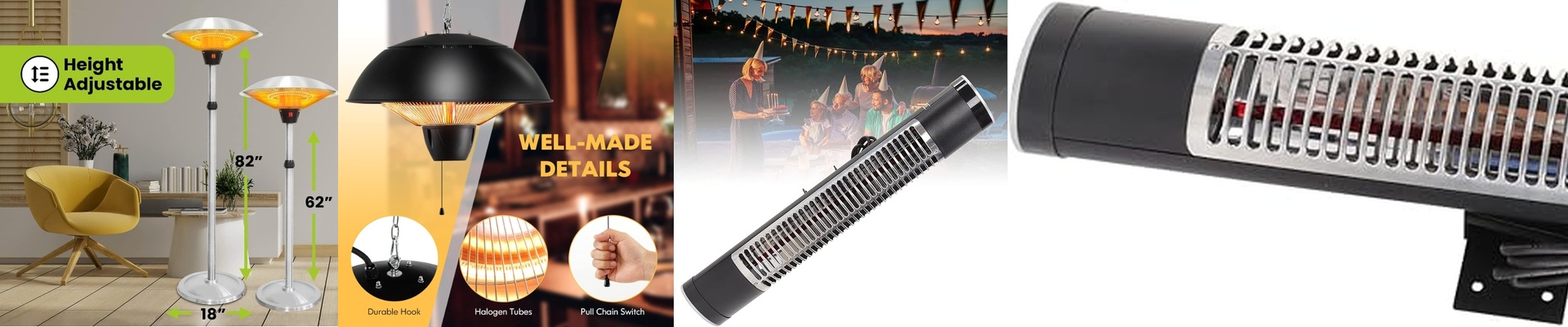
We run a DUV resist bake lamp that uses near-infrared (NIR) heating. The thermal field stays uniform down to the sub-millimeter, and repeatability is wafer-level. The reflector-shaped heat profile matches the wafer geometry, not just the heater readout. Across a 300 mm wafer, the bake zone holds tight temperature control, keeping photoresist bake temperature within tight tolerance and protecting the thermal budget of the film stack. The system is built for cleanroom Class 1–100, with materials and seals chosen to keep particle generation at zero during bake.
Why this holds up in production
In a fab, you need bake performance that repeats shift to shift, lot to lot. This lamp keeps process repeatability under 24/7 operation, and line-qualified installations run with zero unplanned downtime. The payoff is fewer reworks, stable CD uniformity, and predictable solvent evaporation across the wafer—without chasing oven setpoints or requalifying the bake step after maintenance.
The practical details you can’t skip
NIR bake is fast and clean, but it needs precise optical alignment and a controlled emissivity environment. The lamp has to be matched to the specific photoresist stack and wafer backside condition; otherwise, reflectivity differences can introduce subtle across-wafer bias. Run a short qualification bake with your current resist, then lock the recipe. Once aligned, the process window opens up, and your lithography line gains thermal stability you can count on.