

Let’s Talk About Gold-Coated IR Lamps in Semi Fab
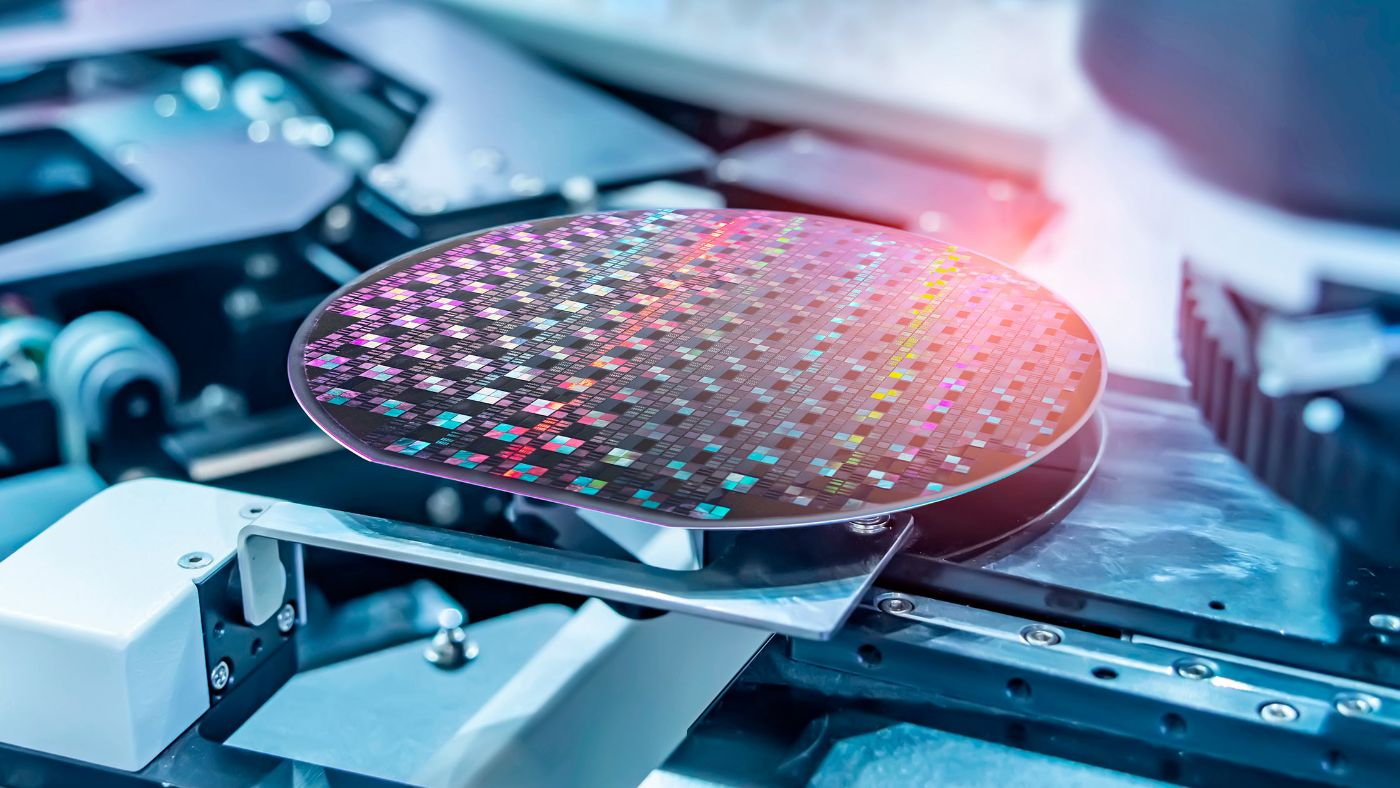
The push for “green” and lead-free standards in semiconductor fabrication is real, but it’s creating a bit of a headache for everyone. The old-school convection ovens are just… wasteful. They spend way too much energy heating up the air and the walls of the chamber before the actual part even feels the heat. That’s where gold-coated infrared (IR) lamps come in. Instead of heating the whole room, these lamps beam energy directly onto the substrate. It’s like using a spotlight instead of turning on every light in the house. The secret is in the gold. Normally, quartz lamps throw out a broad spectrum of heat. But when you’re curing photoresists or adhesives, you can’t just blast it with everything. If you do, you’ll burn the surface before the inside is actually set. By adding a thin layer of gold to the quartz, we create a filter. It bounces the unwanted long-wave radiation back into the filament and pushes out the short-wave stuff that actually does the work. The result? You get a much tighter thermal profile and the temperature ramps up fast. Really fast. Why this actually helps the planet Lead-free soldering is picky. You have to hit a very specific temperature window. Hit it too high and you’ve ruined a wafer. Too low? The bond fails. With IR lamps, you have instant control. Flip a switch, and it’s on. Flip it again, and it’s off. There’s no waiting around for the oven to “warm up,” which saves a ton of electricity. Plus, you get rid of those nasty VOC emissions that usually come with solvent-based drying. A few things to keep in mind Now, it’s not all magic. These lamps pack a massive amount of heat into a tiny space, which is great for getting parts through the line quickly. But you have to be smart about cooling. If your housing isn’t built for that kind of heat load, you’re going to melt your wiring or warp your reflectors. I always suggest pairing these with a pyrometer and a closed-loop PID controller. It keeps things steady so you don’t accidentally scorch your substrates. If your power supply can handle the peak wattage, you can usually just drop these into your existing curing lines. It’s probably the easiest way to hit those environmental mandates without slowing down your production.