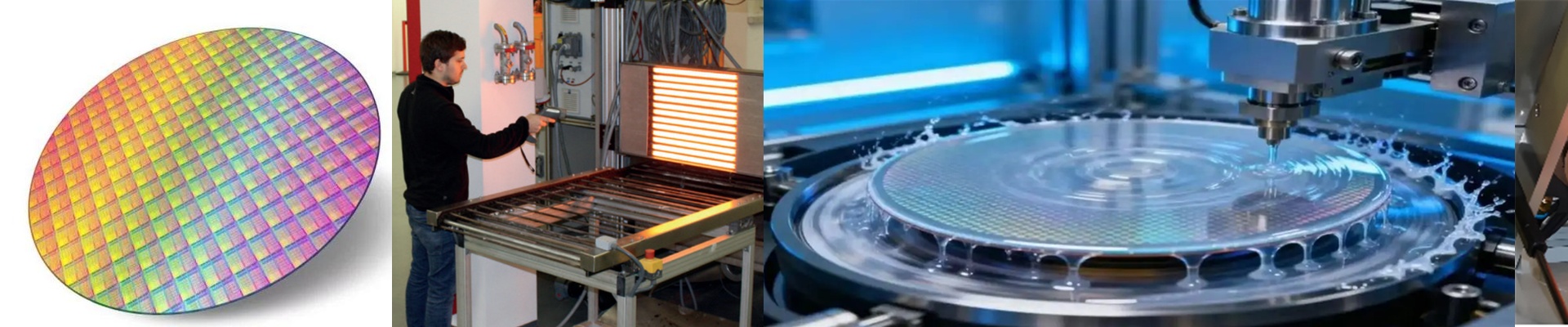
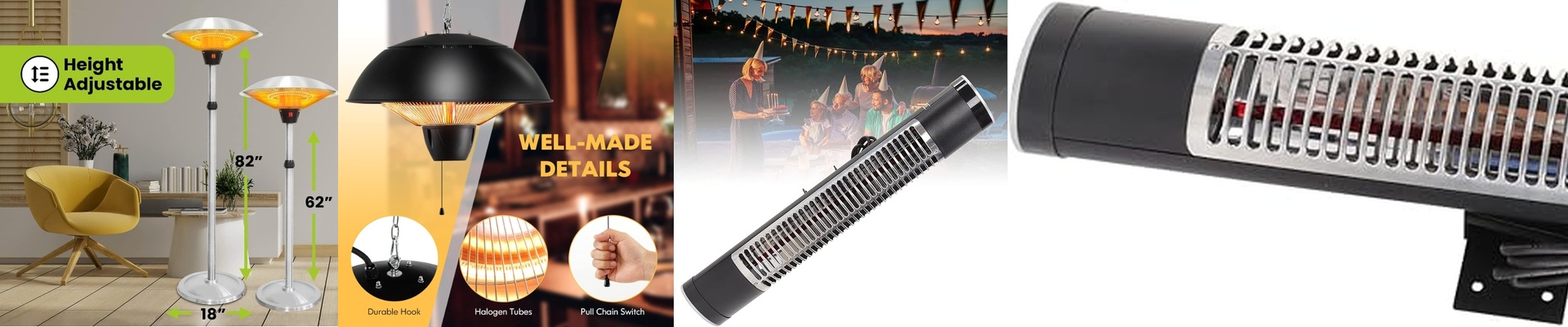
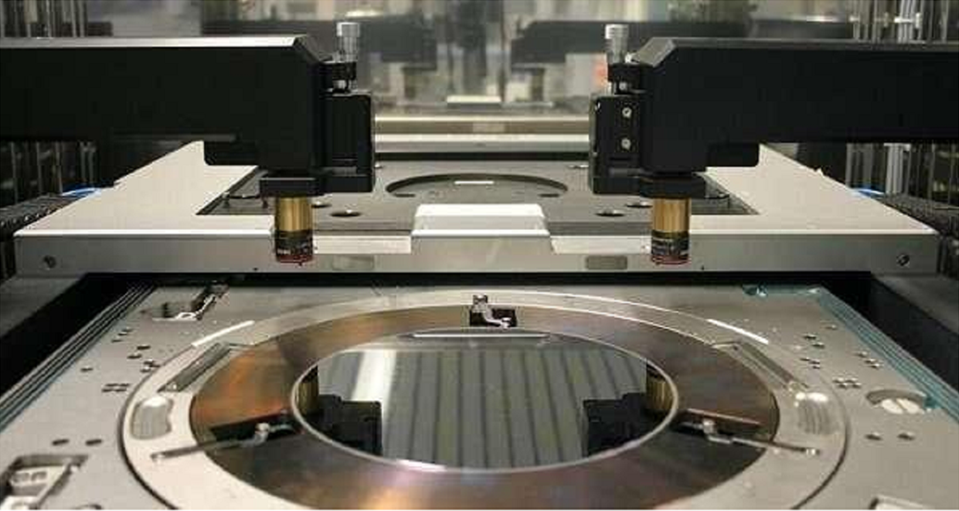
On the line, you’ve got a 150 mm sapphire wafer sitting there, waiting to hit photoresist bake. Out here, you know the drill: a half-degree of temperature drift is enough to move critical dimension, and one particle can kill the run. The heater has to fit the process window—not force the process to fit the heater. What actually matters under the hood We build these sapphire wafer heaters around short-wave halogen quartz elements and a low-thermal-mass stack. That’s what gives you sub-second settling and wafer-level uniformity of ±0.1°C. Setpoints from 80°C to 300°C stay repeatable within ±0.5°C shift-to-shift, so soft bake and hard bake stay on spec for the photoresist. The hot zone is cleanroom-compatible down to Class 1, with finishes and materials that keep particle counts down and stop outgassing. Power density is matched to wafer size and thermal budget, and the whole thing is engineered for 24/7 reliability—no surprise downtime. Why it holds up in lithography In the litho bay, you can’t be chasing drift every time sapphire changes how it takes heat. This heater holds the bake profile steady, which cuts scrap and shortens setup because the temperature follows the recipe on the first pass. Efficient coupling and tight insulation keep energy use in check, so you lower operating cost without slowing throughput. And for packaging lines that run sapphire substrates, that same repeatability means fewer reworks and yields that stay stable. What to plan for on install Install comes down to matching the chuck interface and aligning the optical path to the lamp array. Swapping elements is straightforward, but treat the quartz carefully—micro-cracks will come back to haunt you. The heater plays nice with most wafer handling robots, but if you’re tying into legacy equipment, expect a custom bracket and some minor rewiring to match the original footprint. Run a short qualification to lock in your recipe and confirm particle performance the way you actually run the tool—in your environment.