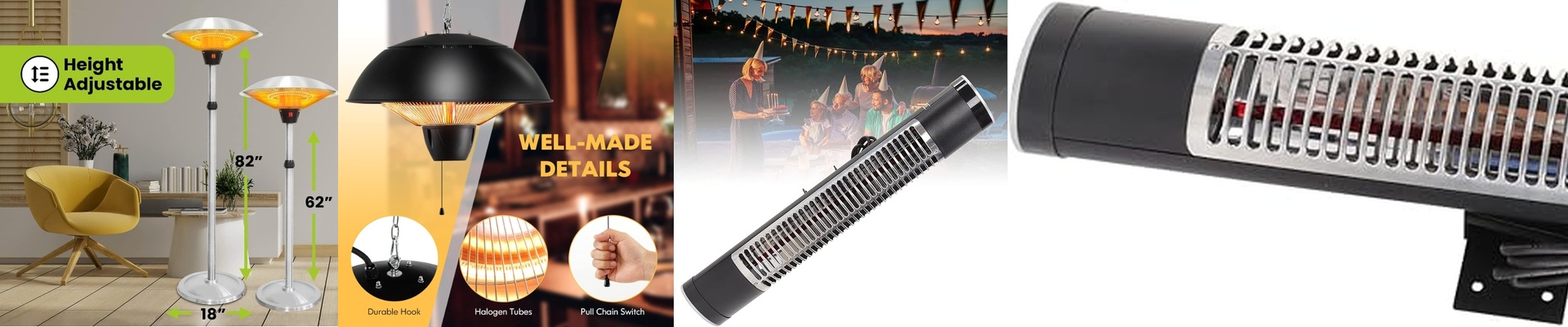
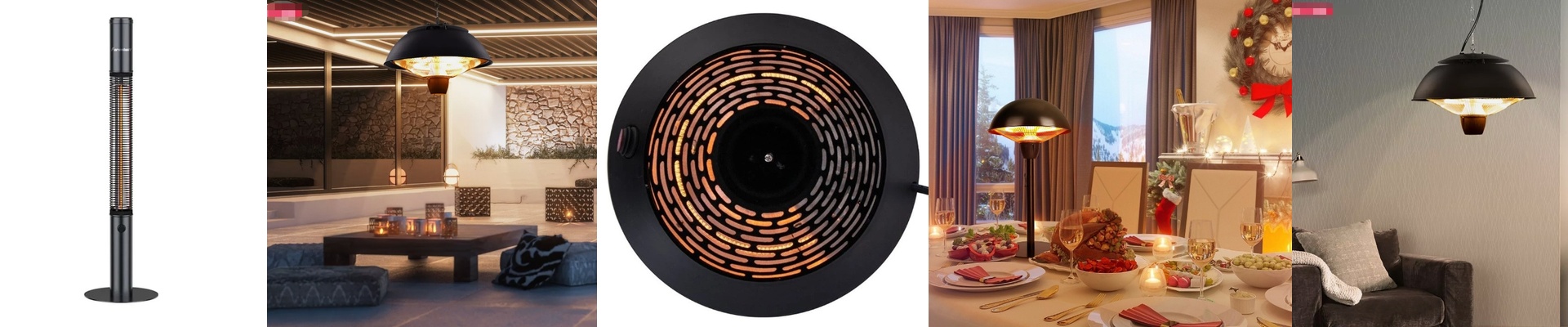
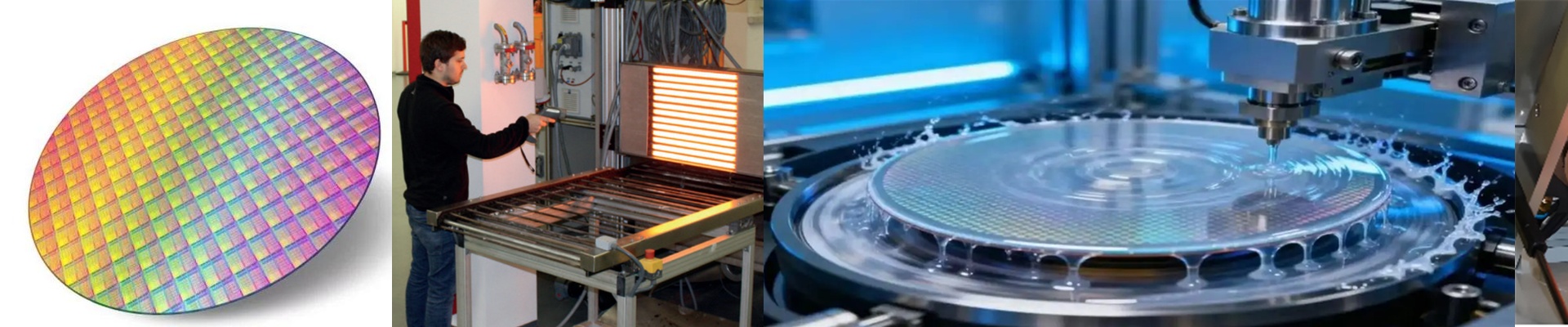

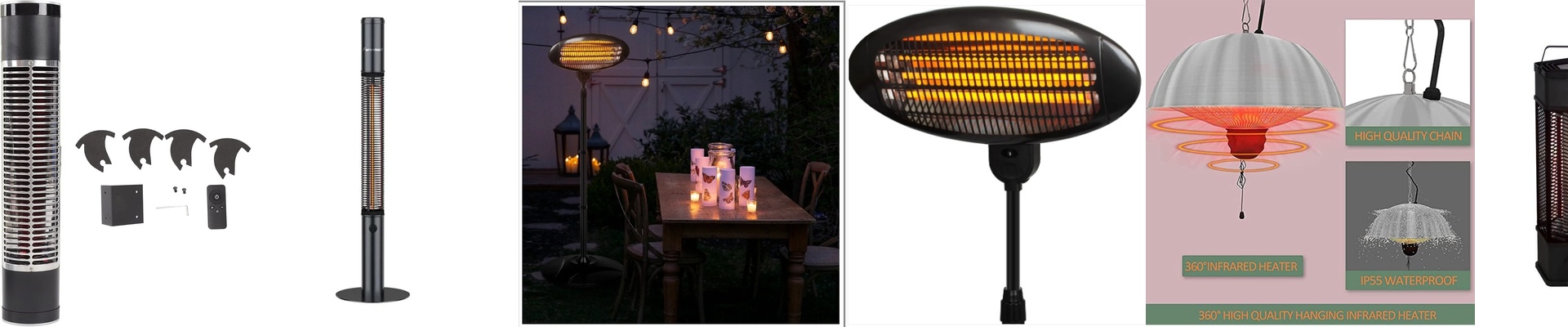
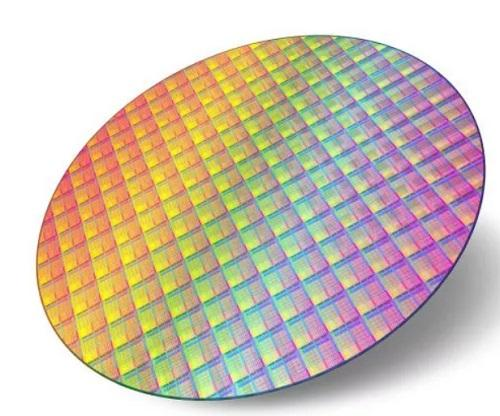
On the fab floor, a wafer-level CSP line can’t afford temperature drift during photoresist processing or drying. A 1°C excursion in soft bake or hard bake will shift critical dimensions, and any moisture left after cleaning will eat into yield. That’s why we built an infrared heater for these process nodes—where the thermal budget is simply non-negotiable. What matters, technically We use short-wave infrared to hit the wafer fast, contactless, and with wafer-scale uniformity of ±0.1°C. The quartz-halogen emitter array dumps energy straight into the photoresist and substrate, so thermal lag stays low and the bake profile stays tight. You dial in the temperature, and the closed-loop sensor holds it across the whole batch, repeatably—linewidth and residue stay in spec. It’s engineered for cleanroom Class 1–100: zero particle generation, low-outgassing materials, and a smooth surface you can clean without drama. It runs 24/7 with predictable maintenance windows, so unplanned downtime doesn’t become your daily headache. Why it fits the process This heater solves the real pain points in wafer drying, photoresist soft bake, and the follow-on curing steps. Fast ramp-up shortens cycle time without overshoot, and the stable plateau cuts photoresist reflow variability and edge bead. Energy use drops because the emitter only comes on when it needs to, and the thermal mass is low. You end up with consistent film thickness, fewer dewet defects after cleaning, and a process window that survives high-volume transfer. The payoff is higher first-pass yield and less scrap—tied directly to temperature control you can verify. What you need to know Installation comes down to matching the tool interfaces: OEM mounting patterns, connector types, and voltage have to line up with your platform. The heater performs best when the line-of-sight path is clear and reflective surfaces are managed—otherwise you’ll see hot spots. Plan on routine pyrometer calibration and sticking to the emitter replacement schedule. Do that, and you’ll keep the ±0.1°C uniformity and keep the process in control.