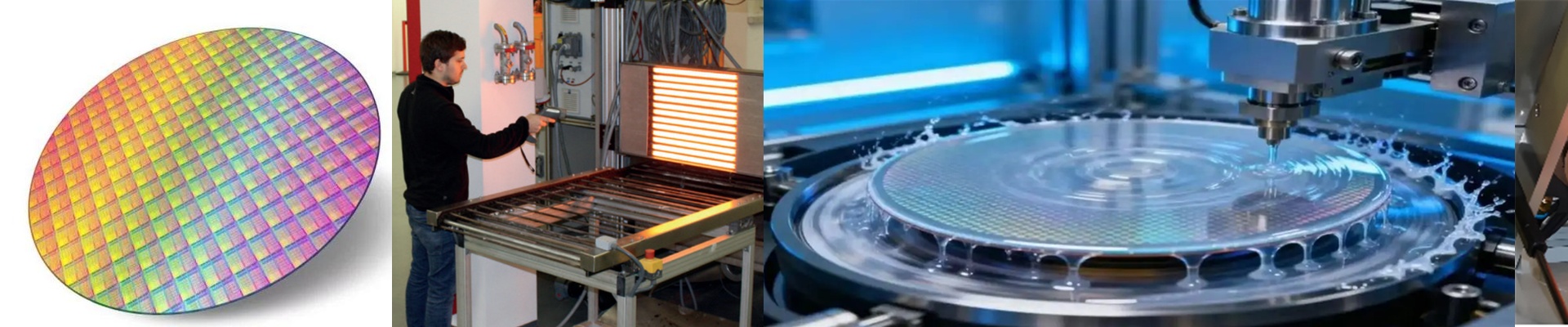
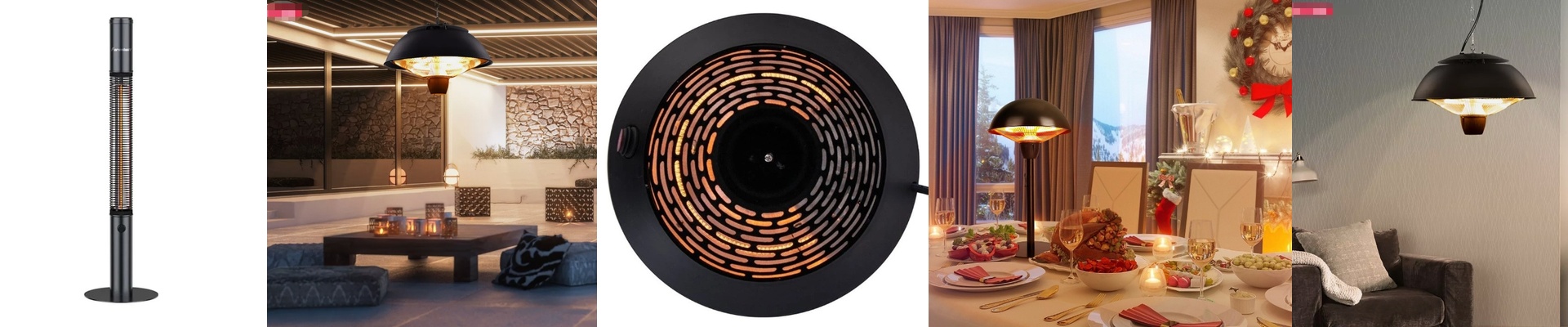
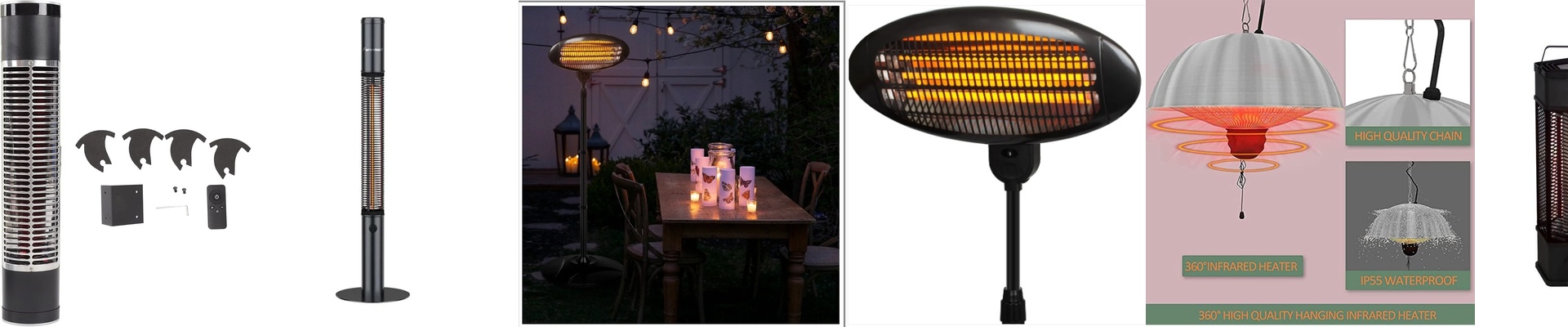

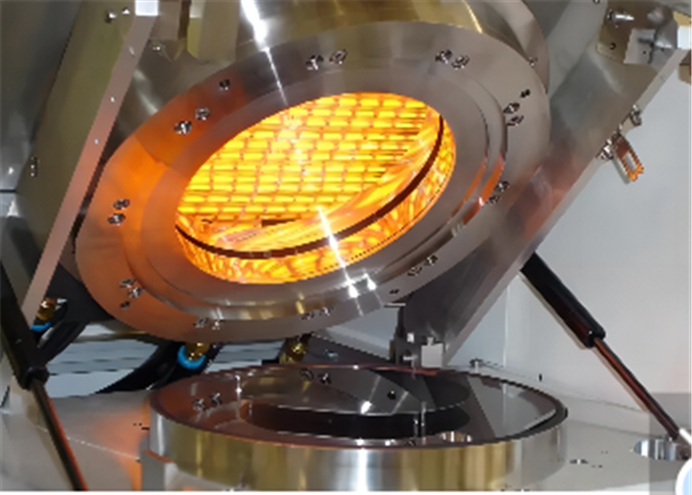
On the line, temperature drift doesn’t come with a warning label. It shows up as linewidth variation, photoresist that won’t stick after soft bake, and scrap that lands right in the daily report. In wafer fabrication and packaging, the thermal budget is a hard boundary—there’s no negotiating with it. That’s why we built the Oxford Instruments heater element for the real world of the fab. It’s a compact, cleanroom-compatible heat source, engineered for lithography bake steps and for process repeatability you can count on. What actually matters under the hood We use short-wave infrared (SWIR) quartz heating—fast response, tight control—so wafer-level uniformity lands within ±0.1°C across the active area. The element is built for Class 1–100 cleanroom operation, with low outgassing and no particle generation under normal use, so particle counts don’t end up running the show. Power density is matched to wafer and substrate thermal loads, and the interface is designed for stable mounting and repeatable thermal contact. In practice, you get long service life—units routinely run 5,000+ hours with minimal output drift, which means fewer spares and less time chasing maintenance windows. Why this works where the process lives In photoresist processing, consistent soft bake and hard bake temperatures are what give you critical dimension control—and fewer reworks. The fast-response heating supports shorter thermal ramps, so you can cut cycle time without losing profile stability. Energy use stays disciplined because the element heats on demand and holds setpoints with minimal overshoot. In semiconductor packaging lines, that same thermal control improves adhesion and void control, and keeps curing void-free, so the process window stays wide and predictable. Here are the practical details that keep it honest The element needs accurate thermal coupling to the susceptor, and clean, aligned mounting to maintain uniformity. Misalignment will create localized hot spots—easy to avoid, but you have to set it up right. It also needs stable power conditioning. Voltage transients will shorten element life, so protect the supply. During integration, confirm your tool interface and connector compatibility, then schedule periodic verification of temperature profiles to keep performance inside the spec window.