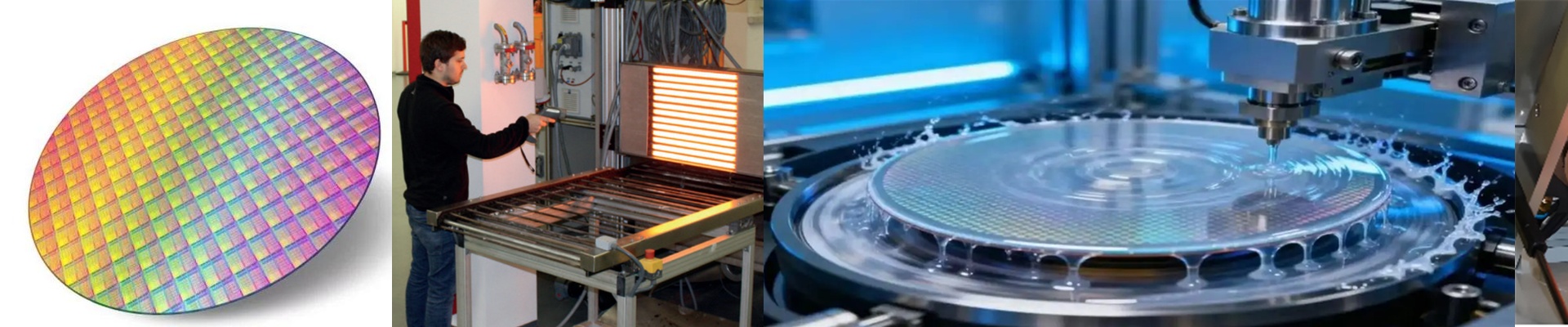

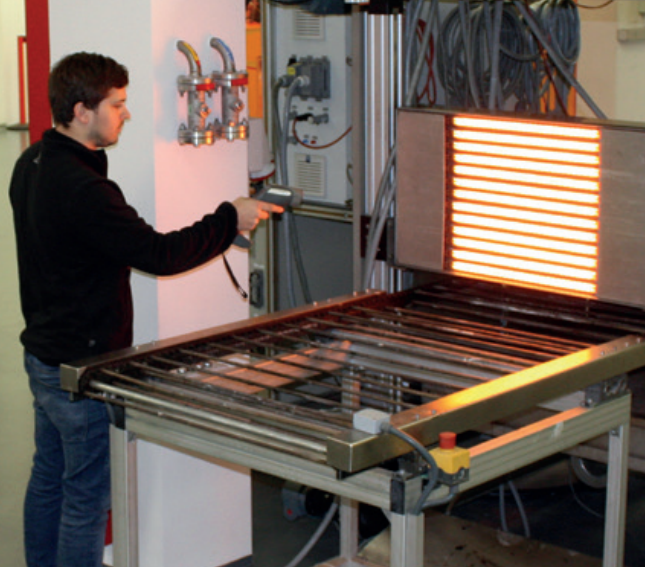
Making hydrogen sensors is a game of precision. You need the sensing membrane to be perfectly stable, which means your thermal control has to be spot on. We build our heaters to handle those tight tolerances, but honestly? The heat is the easy part. The real nightmare is electrical isolation. One tiny pinhole in the insulation or a hairline crack in the quartz—something you can barely see—and your entire sensor array shorts out. It’s a disaster waiting to happen. That’s why we don’t do “sample checks.” We don’t just test a few tubes and hope for the best. Every single tube that leaves our floor goes through a full voltage withstand and insulation resistance test. We hit them with a high-voltage stress test to make sure the dielectric barrier actually holds up under pressure. If it leaks current? It goes in the trash. Period. When you’re working with sensitive hydrogen components, you just can’t afford a catastrophic short. Here’s another thing: these heaters usually run at high watt densities so they can hit target temperatures fast. But that creates a bit of a tug-of-war. All that heat puts a massive amount of stress on the electrode seals. If a seal isn’t perfectly airtight, oxygen sneaks in and your filament burns out in a matter of hours. We use specialized glass-to-metal seals to stop that from happening. Once you start wiring things up, just make sure your grounding is tight. Even with our testing, a sloppy chassis ground can leak noise right into your sensor’s signal path. And double-check that your power supply matches the heater’s impedance—otherwise, you might overshoot your temperature. At the end of the day, we obsess over the QC so you don’t have to deal with “dead on arrival” parts. You get a heater that stays insulated even after it’s been heated and cooled a thousand times. It just keeps your gear safe.