Getting the Light Right in Bathroom Heaters
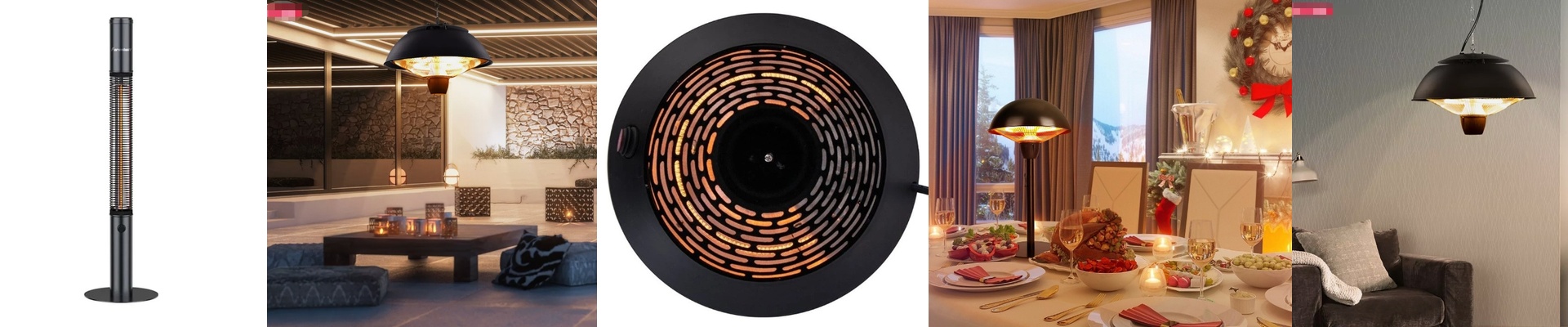
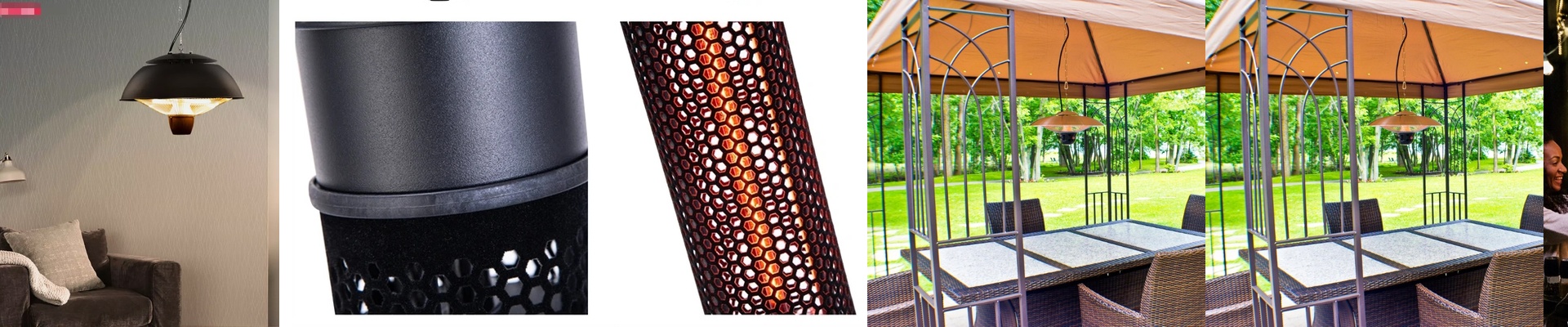
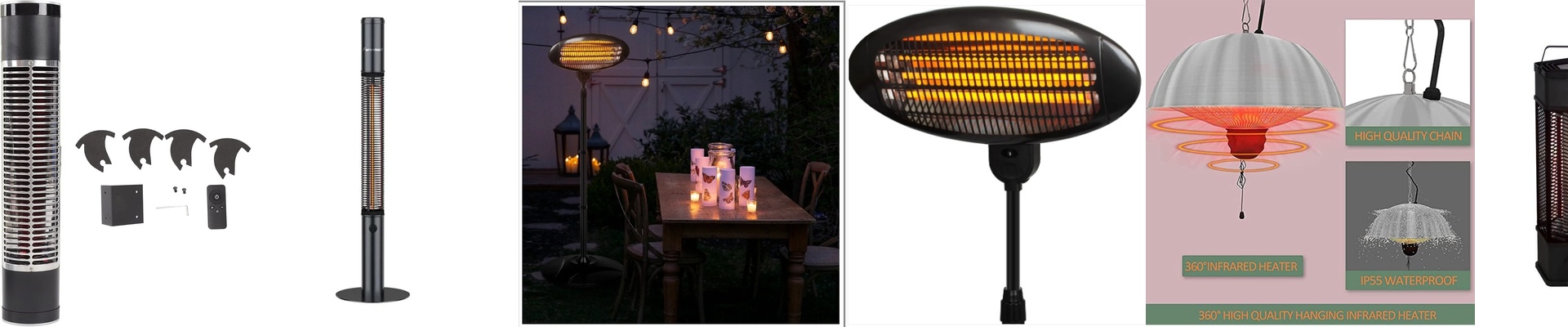
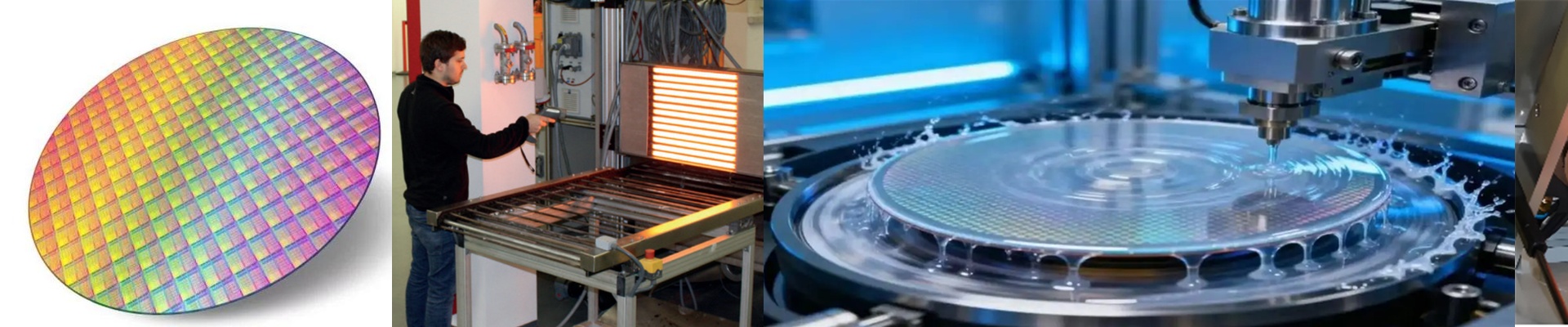
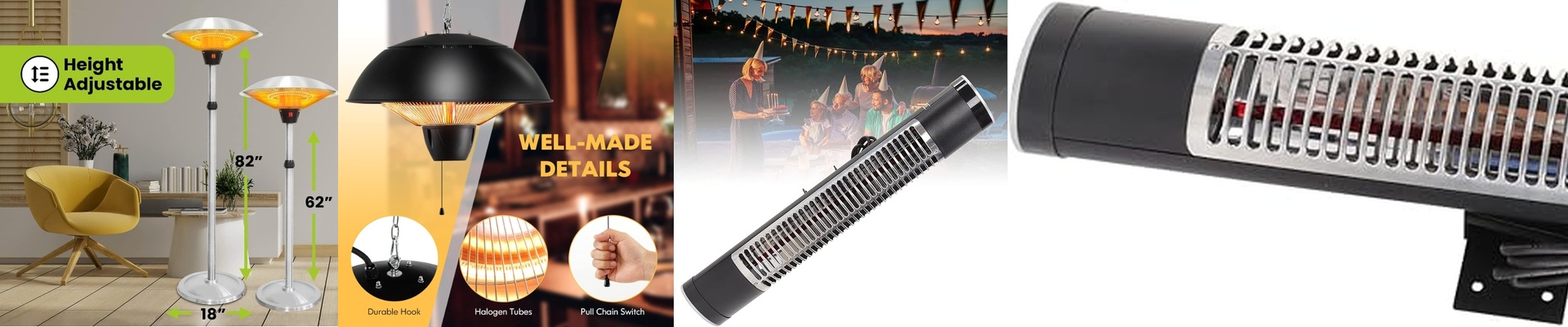
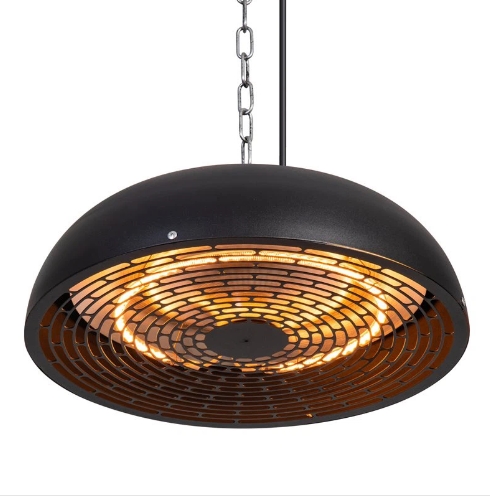
When we’re building infrared lamps for bathrooms—especially the ones used around babies—the heat is actually the easy part. The real headache? The light. Standard short-wave lamps are basically spotlights. They blast out high-intensity light that can really stress out your eyes. Nobody wants that, especially not in a nursery or a bathroom. So, we change how the light behaves. Keeping eyes safe We use special quartz coatings and specific gas fills to scrub out the harsh UV and visible light. By shifting the energy into the long-wave or mid-wave range, the heat goes straight to the skin without overloading the optic nerve. The result is a soft glow. No blinding glare, no squinting—just a gentle warmth that feels natural. Heat that doesn’t burn Sensitive skin, especially a baby’s, doesn’t handle “hot spots” well. To fix this, we carefully balance the wattage against the surface area. We want a steady, diffused warmth, not a concentrated beam that could cause a burn. We also use high-purity quartz glass. It has to be tough. These lamps heat up and cool down fast, and cheap glass would just crack under that kind of pressure. The trade-offs Here’s the thing: you can’t have everything. Because we’re filtering the light to keep it safe, these lamps take a little longer to warm up than those raw, unfiltered tubes. It’s a fair trade. I’d take a few extra seconds of waiting over scorching heat and blinding light any day. A few tips for installation If you’re wiring these into a fixture, give them some room to breathe. If the housing is too tight, heat traps inside the casing and kills the filament way faster than it should. And please, use a stable power supply. Voltage spikes cause flickering, which messes with the color temperature and can actually weaken the spectral filter. Keep the power steady, and the lamp will last.