
Keeping Your Infrared Heaters Safe in Steamy Bathrooms
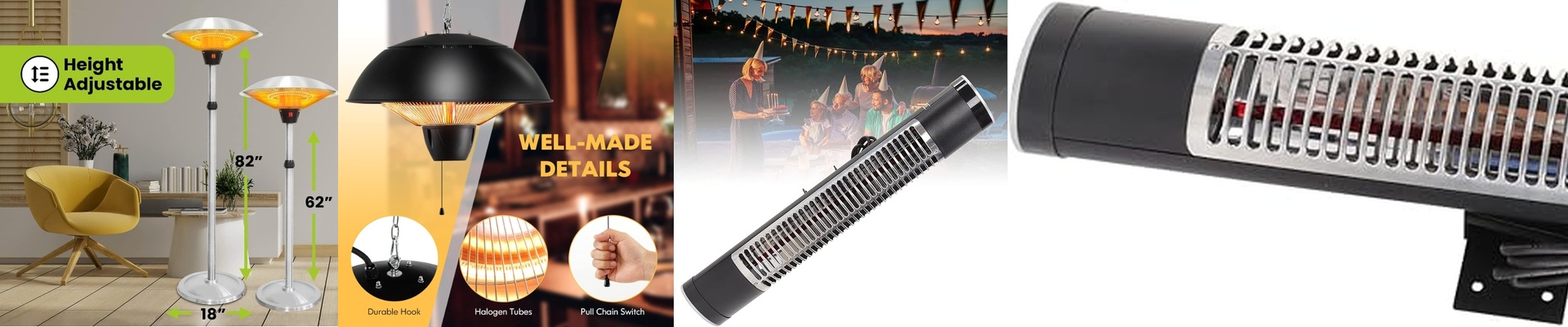
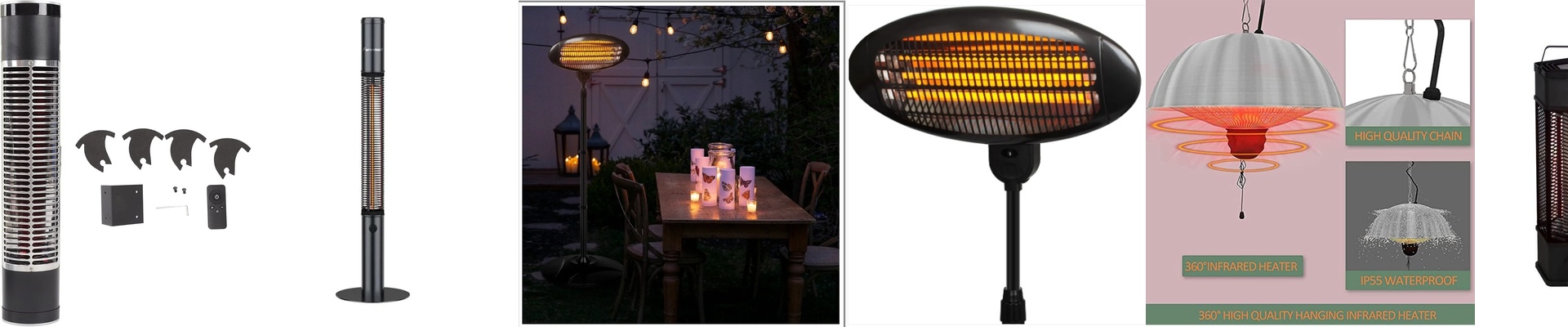
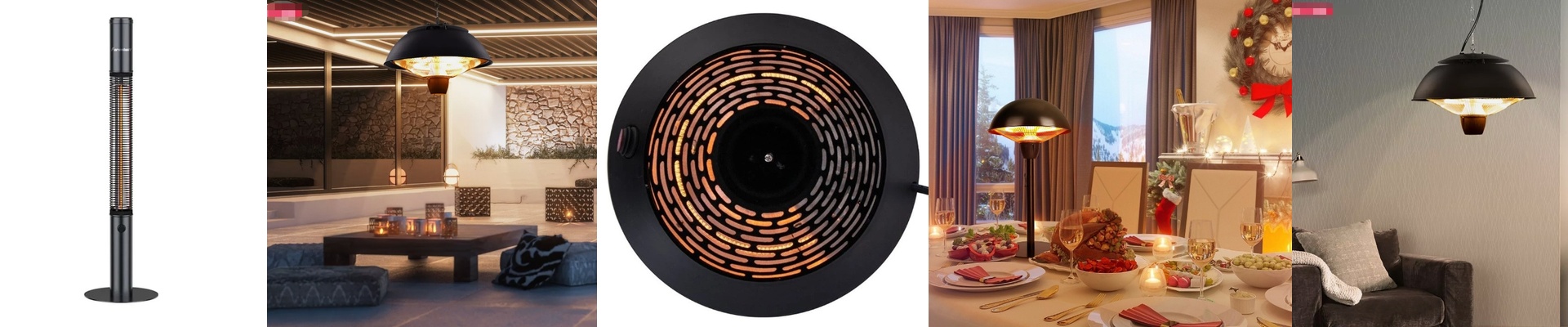
Putting infrared lamps in a bathroom is a bit of a gamble if you aren’t careful. You’ve got constant steam, accidental splashes, and humidity that just won’t quit. In a place like that, a standard heating element is basically asking for a short circuit or a ground fault. You need a setup that stays completely insulated, even when the air feels like a sauna. Dealing with Leaks and Power The goal is to stop electricity from wandering where it shouldn’t. We start with high-purity quartz glass for the tubes since it doesn’t conduct electricity. But here’s the thing: the real trouble usually happens at the ends. That’s why we use reinforced ceramic insulators at the contact points. It stops “tracking,” which is just a fancy way of saying moisture creates a little bridge for the electricity to jump across the surface. You also want a housing that hits at least IPX4 standards. It’s a simple safety net to keep water from dripping straight onto the live terminals. The Secret is in the Seals Standard connectors just aren’t built for this. We use silicone gaskets and heat-shrink tubing to lock down the spot where the wires meet the lamp. And we don’t use cheap metal. Gold or nickel-plated contacts are the way to go because they don’t rust. If those terminals oxidize, the resistance goes up, the joint gets way too hot, and suddenly your insulation is melting. The wiring matters too. Go with high-temp, moisture-resistant PVC or silicone. If you cut corners with cheap cables, the jacket will crack as it heats up and cools down, letting water seep right into the copper. The Balancing Act There is a catch, though. When you add heavy-duty seals and thick casings to keep water out, the heater takes up more space. Plus, all that protection traps heat around the electrical connections. It’s a trade-off. You have to balance a tight waterproof seal with enough ventilation so the wiring doesn’t cook itself. If you seal it too tight without any way for the heat to escape, you’re just shortening the life of your capacitors and wires.