Why we stopped building “disposable” outdoor heaters
Most IP65 outdoor heaters are built like a sealed vault. On paper, that’s great—it keeps the rain and dust out. But in the real world? It’s a total nightmare. Imagine it’s year five. You’ve used the heater heavily, and suddenly a heating element burns out. With a sealed unit, you’re basically stuck. You have to tear the whole thing apart just to fix one small part. We got tired of that. So, we stopped building permanent assemblies and switched to a modular setup.
The “Cassette” Approach
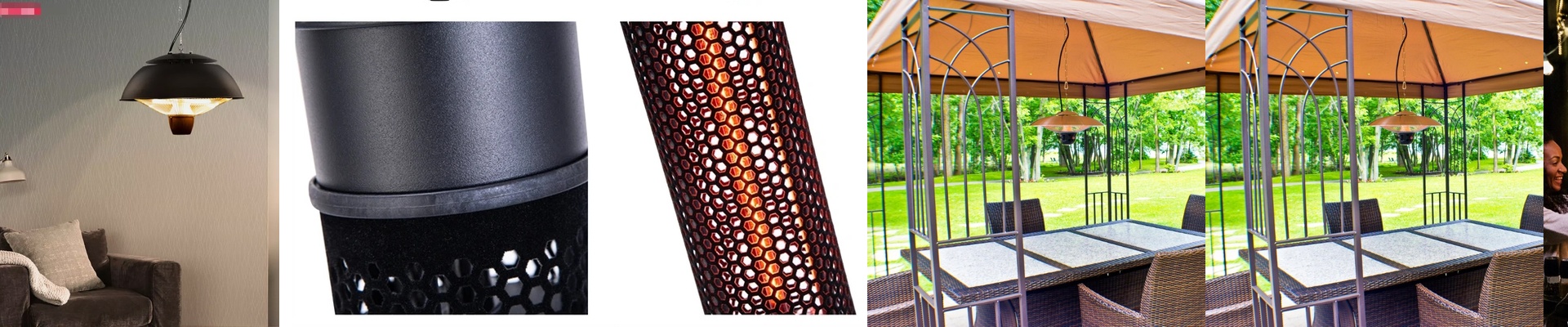
Here is how it works: we treat our infrared modules like a drop-in system. Instead of spending an hour rewiring the chassis or messing with the weather-shielding, the heating element sits in its own little cassette. You just pull the old tube out, slide the new one in, and lock it down. Done. The best part? You don’t have to mess with the IP65 seal. If you’re forced to open the main control box every time a lamp fails, you’re just inviting moisture to seep in and ruin the electronics. Our way keeps the “brains” of the machine isolated and dry.
The Trade-off
Now, look, nothing is perfect. Adding modules means adding more connection points. Every single joint is a place where a leak could potentially happen. To stop that, we use heavy-duty compression gaskets and reinforced clips that actually hold. And yeah, the unit is a bit larger than a welded, non-serviceable heater. It takes up a little more space. But we’d rather have a slightly bigger footprint than a machine that becomes a giant piece of scrap metal the second a quartz tube snaps.
Real-world maintenance
When a heater hits the end of its life cycle, the labor cost to fix it usually costs more than the part itself. That’s a waste of money. We designed these so a tech can swap a module in under ten minutes. No fancy tools required. We use quick-connect terminals for the wiring, so there’s no soldering on-site. You just snap the new module into the rail, plug it in, and you’re back in business. It keeps the heat running and keeps your maintenance bills from spiraling.