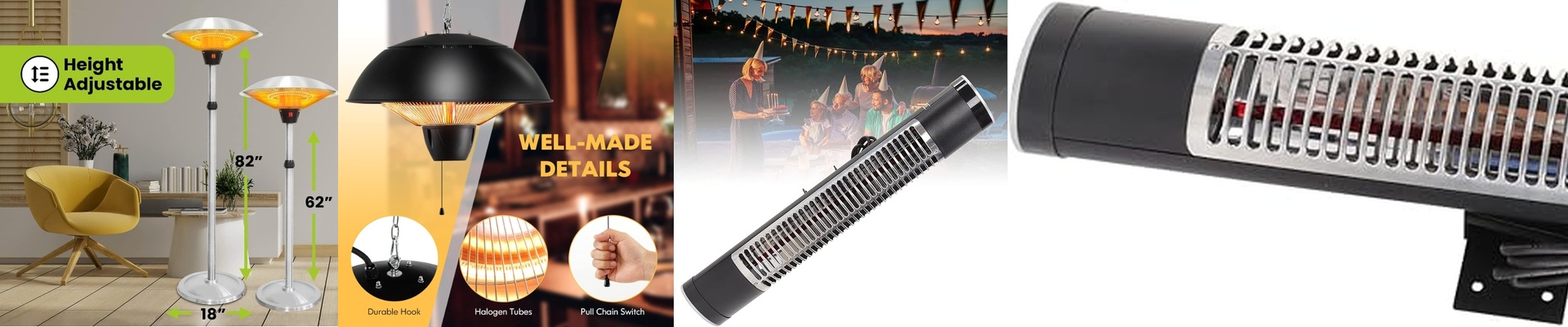
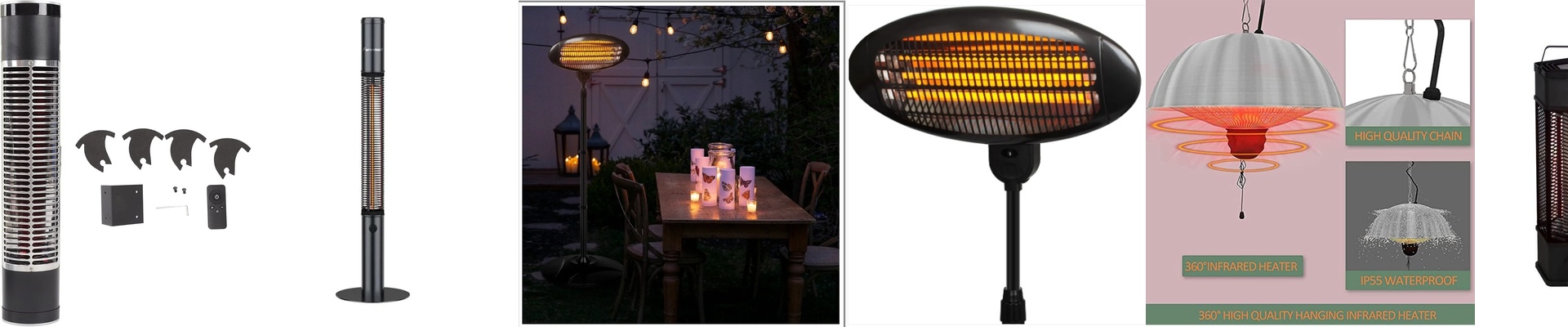
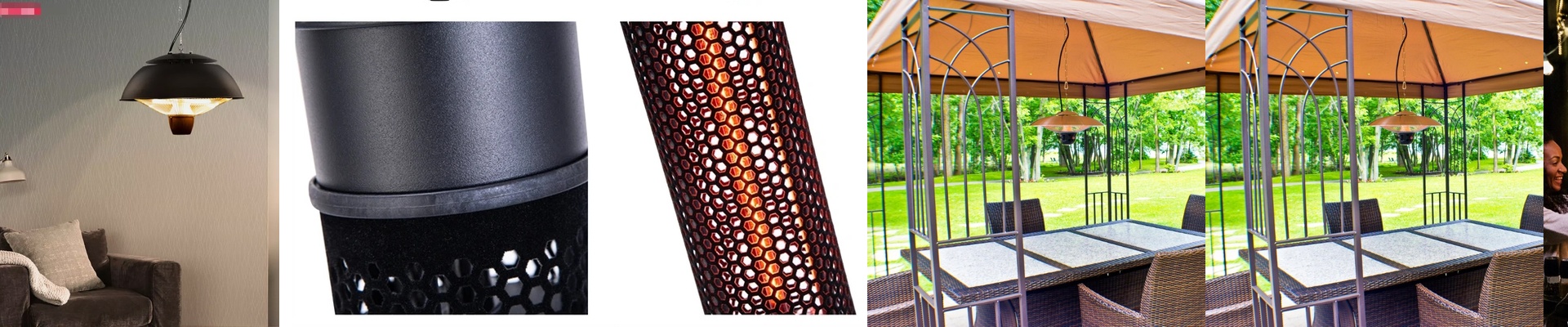
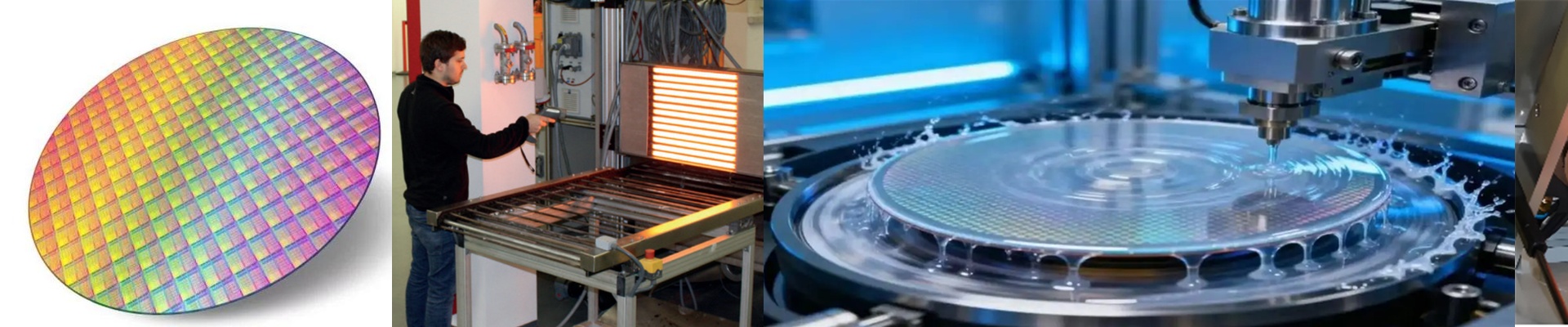
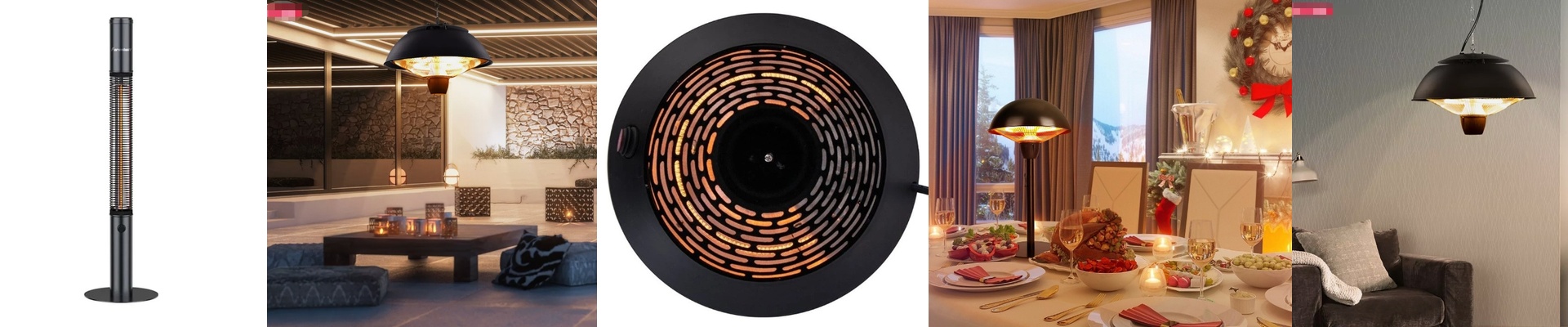
Keeping Your Infrared Heaters Alive and Kicking
If you’ve ever put infrared heaters on an open-air patio, you know the struggle. It’s basically a constant war against damp air and wild temperature swings. Here is the truth: most quartz tubes don’t die because the filament gives out. They die because the seals fail, humidity sneaks in, or condensation builds up on the glass. It’s frustrating. That’s why we rebuilt our lineup to kill those problems before they even start. Dealing with the fog You know that foggy film that happens when warm, wet air hits a cold heating element? That’s a nightmare. It traps heat in the wrong places and makes the warmth feel uneven. To fix this, we added a special coating to the glass. It changes the surface tension so water can’t actually “stick” to the tube. Instead of clinging, the moisture just beads up and rolls away. Your heat stays clear, and you don’t have to worry about the glass cracking from those weird hot and cold spots. Rain, splashes, and reality Water getting inside is the fastest way to fry a heater. We spent a lot of time obsessing over the connection points and the housing seals to make sure everything is splash-proof. We used heavy-duty gaskets around the reflector and sealed off the electrical terminals to keep the rain out of the guts of the machine. Now, let’s be real. These are patio heaters, not submarines. If you decide to blast them with a high-pressure power washer, you’re going to find a leak. But for a rainy Tuesday or a few accidental splashes? They’ve got you covered. Making them last When you keep the moisture out, everything just lasts longer. It’s that simple. If the tube stays clean and the internals stay dry, you avoid the short circuits and rust that usually kill these units after a single season. You get steady heat and—more importantly—you don’t have to spend your weekends replacing parts. One quick tip: make sure your mounting brackets are tight. A heater that vibrates is going to wear down those seals way faster than any rainstorm ever could.