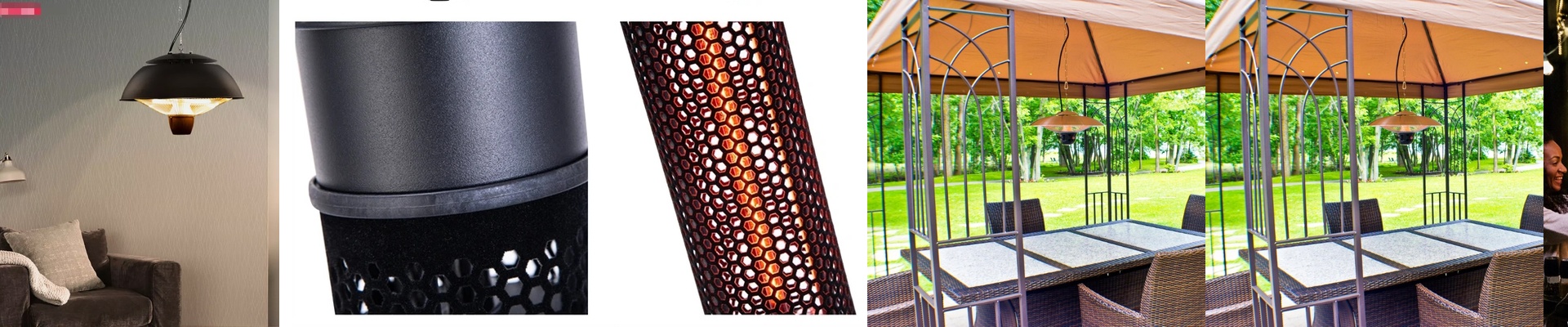
Stop Losing Money Every Winter: How to Actually Heat Your Patio
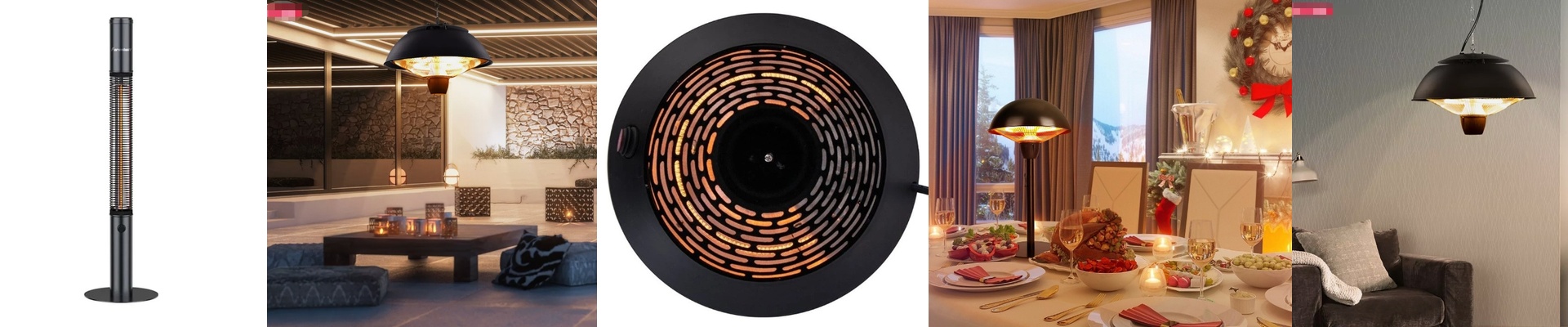
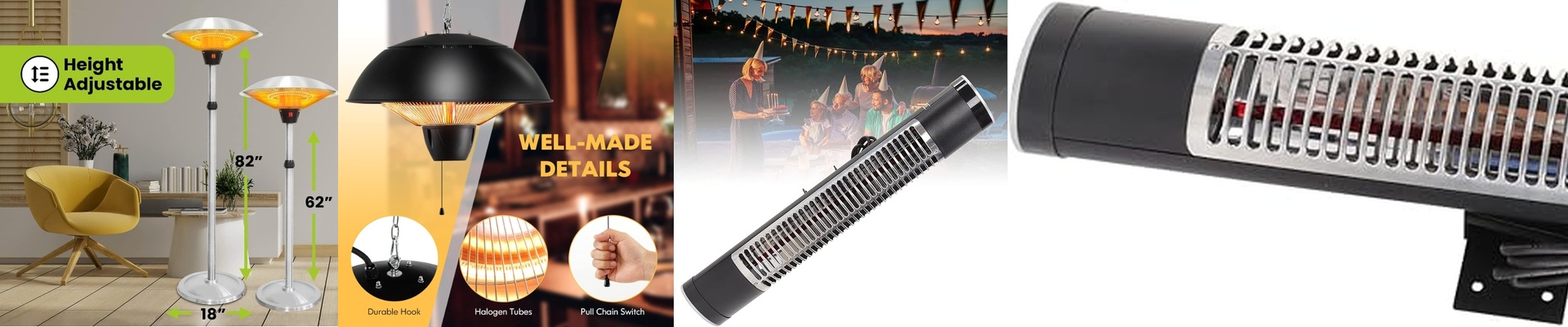
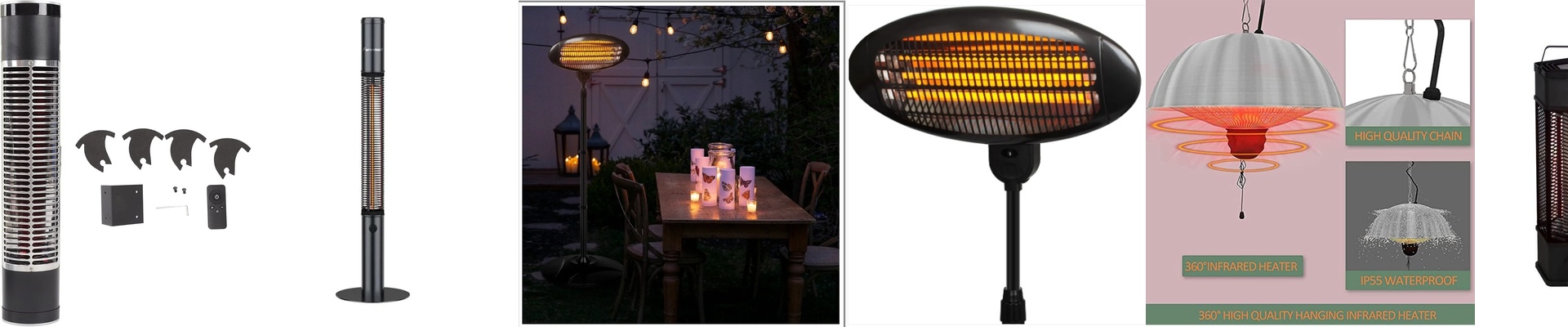
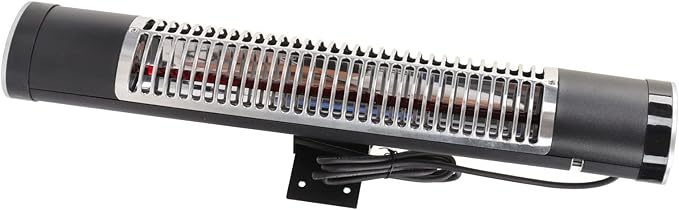
If you run a restaurant with outdoor seating, you know the drill. As soon as the temperature drops, your patio becomes a ghost town. Most people try those forced-air heaters, but they’re basically useless outdoors. The wind just blows the warm air away before it even reaches the table. You’re paying for electricity to heat the neighborhood, not your guests. That’s why we use shortwave infrared. Instead of trying to warm up the air, it beams heat directly onto the people and the furniture. It feels like sitting in the sun on a crisp October day. The “High Ceiling” Problem Here is the tricky part: if your ceilings are higher than 3 meters, most heaters just give up. The heat vanishes into the night sky before it hits the ground. We fixed this by using high-wattage shortwave emitters. These travel faster and further. It means your guests actually feel the warmth, even if the heater is mounted way up high. You can keep your tables full even when it’s freezing outside. The Gear and the Setup We didn’t build these for a backyard BBQ; we built them for the grind of a commercial kitchen. Most of our units run on 220V-240V. It gives you that intense heat density you need without blowing a fuse every time a guest sits down. Plus, the casings are corrosion-resistant. Rain and humidity won’t eat through the metal in a couple of seasons. Installing them is pretty straightforward. You mount the brackets, wire them in, and aim the reflectors. Those polished aluminum reflectors are the secret sauce—they push the heat straight down so you aren’t wasting energy heating your rafters. Is it Worth the Cost? Let’s talk numbers. If you can bump your patio temperature up by 5-10°C, people stay. And when people stay, they order another round of drinks or a dessert they weren’t planning on. But look, there’s a catch. These things pull a lot of power. If you’re running a whole bank of 2kW heaters, your electrical panel needs to be able to handle it. If your wiring is a bit old, you might need to stagger how you turn them on so you don’t trip the main breaker. Yeah, your electric bill will go up. But that’s a small price to pay for turning a frozen, empty patio back into a goldmine.