Why we basically try to torture our bathroom heaters
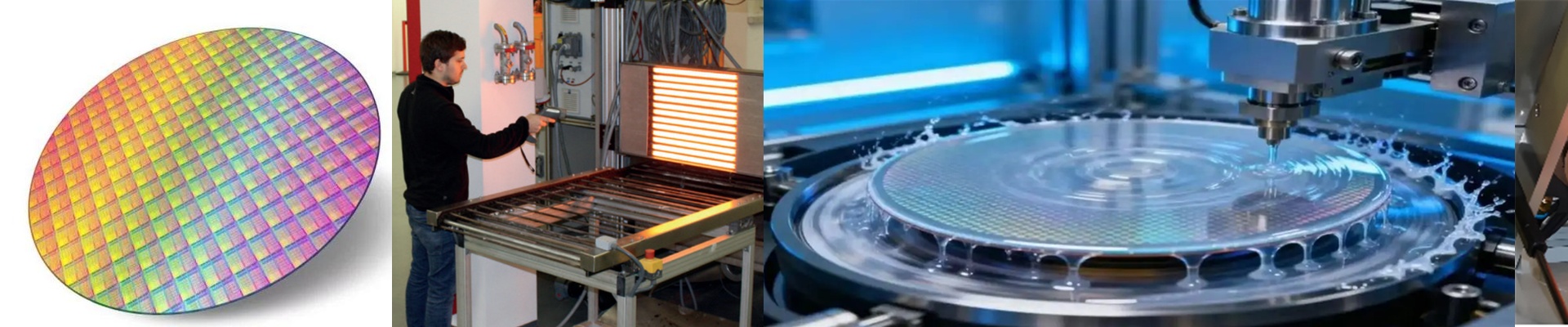
Let’s be honest: bathrooms are a nightmare for electronics. You’ve got thick steam, random splashes of water, and temperatures that swing from freezing to sauna-hot in about five minutes. If a seal slips or a quartz tube gives up, the whole thing shorts out. It’s a mess. We don’t like guessing how long a heater will last, so instead, we put them through “damp-heat aging tests.” Which is really just a fancy way of saying we try to break them on purpose. The battle against moisture Here’s the thing about water vapor—it finds every single tiny gap in a housing. Once that moisture hits the electrical terminals, it starts eating away at the metal. To stop that, we lock our heaters in climate chambers. We crank the humidity to 85%, turn up the heat, and leave them there for hundreds of hours. It’s like simulating years of showers in a few weeks. We’re looking for any sign of rust or a leaky gasket. If even a drop gets where it shouldn’t? It’s a fail. Dealing with the “shock” Then there’s the quartz tube. These things get incredibly hot, but they have a weakness: thermal shock. If a splash of cold water hits a scorching hot tube, it can crack. So, we cycle the power. On. Off. On. Off. All while blasting them with moisture. We do this to make sure the glass holds up and the halogen gas stays locked inside where it belongs. The tricky part: Heat vs. Water Now, there’s a bit of a catch. To keep water out, you need tight, IP-rated seals. But those seals also trap heat inside the chassis. It’s a trade-off. Because the air inside the heater gets hotter than it would in an open-air model, we have to use beefier wiring and capacitors. We don’t want your heater tripping a safety fuse halfway through a long, relaxing shower just because it got a bit too warm under the hood. We share this data because a heater that works great on day one doesn’t mean much if it dies after six months of steam. We build these things to take a beating.