

Keeping Your Infrared Heaters Safe in Steamy Spots
Let’s be honest: putting infrared lamps in a bathroom or a steam room is a bit like playing with fire—literally and electrically. Water vapor loves to find a way into your wiring. Once it does, it creates a path for the current to go where it shouldn’t, and that’s how you end up with a short circuit or a tripped breaker. The goal here is simple: keep the water out and the power contained.
Dealing with the “IP65” Stuff
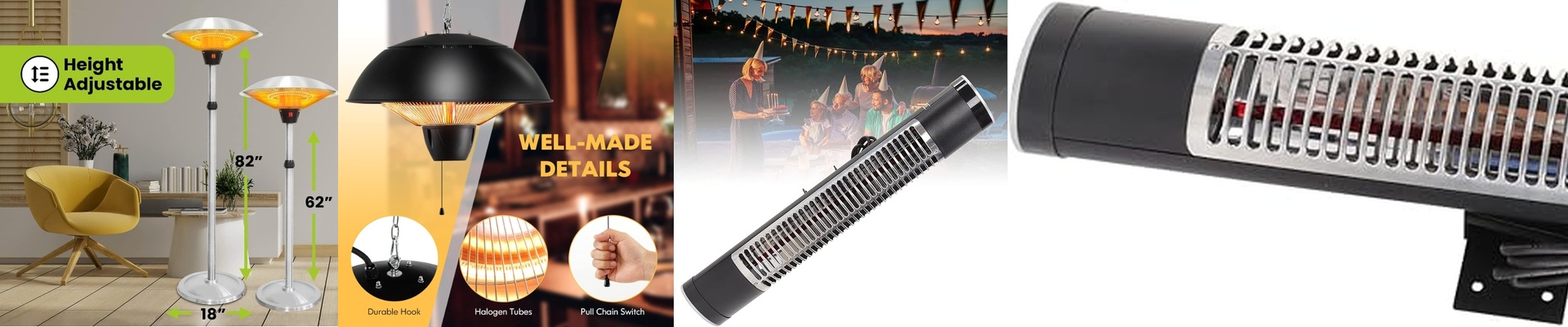
You’ll see the term “IP65” thrown around a lot. In plain English, it just means the box is tight enough to keep out dust and can handle a jet of water hitting it without leaking. But you can’t just slap a plastic lid on a heater and call it a day. You need real, heavy-duty gaskets and cable glands that actually seal. If steam sneaks into the junction box and settles on the terminals, your lamp is going to fry. You want a housing that stops condensation from pooling around the electronics. Period.
Insulation and Staying Grounded
To keep things safe, we rely on materials that simply won’t conduct electricity, even when they’re scorching hot. That’s why we use high-temp ceramics and quartz glass to hold the heating element. And the wiring? It has to be tough enough to handle both the heat and the humidity without cracking. But here is the most important part:Put these on a GFCI circuit. Even the best seal can wear down after years of heating up and cooling down. A GFCI is your safety net. If it detects a leak, it kills the power in a fraction of a second before anyone gets hurt.
The Trade-off
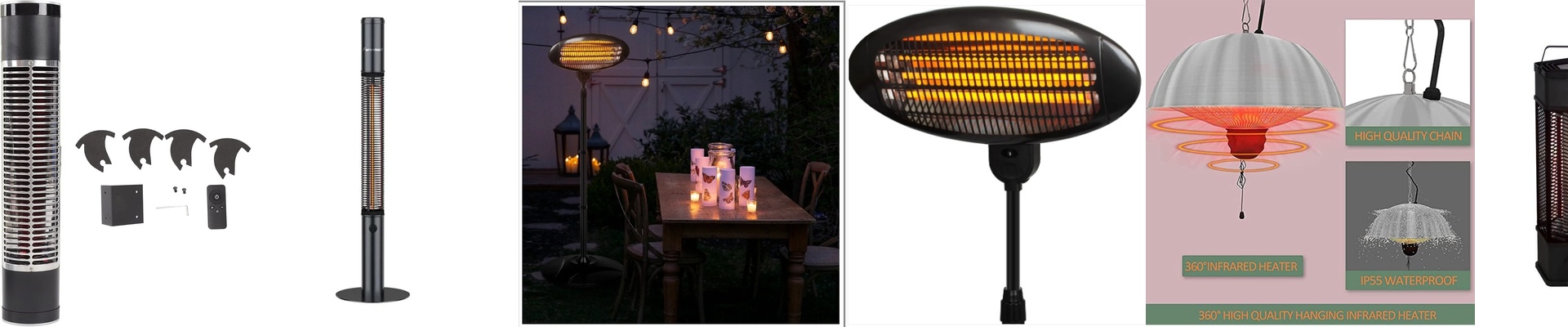
There is a catch, though. When you seal a heater up tight to keep water out, you’re also trapping the heat inside. Because the air can’t move as freely, the internal electronics run hotter than they would in an open design. This is where your mounting bracket comes in. You need to make sure the heat can move away from those sealed cable entries. If those gaskets get too hot, they can warp. And once they warp, your waterproof seal is gone. If you’re using these in a high-traffic area, just make it a habit to check the seals every six months. It takes two minutes and saves a lot of headaches.