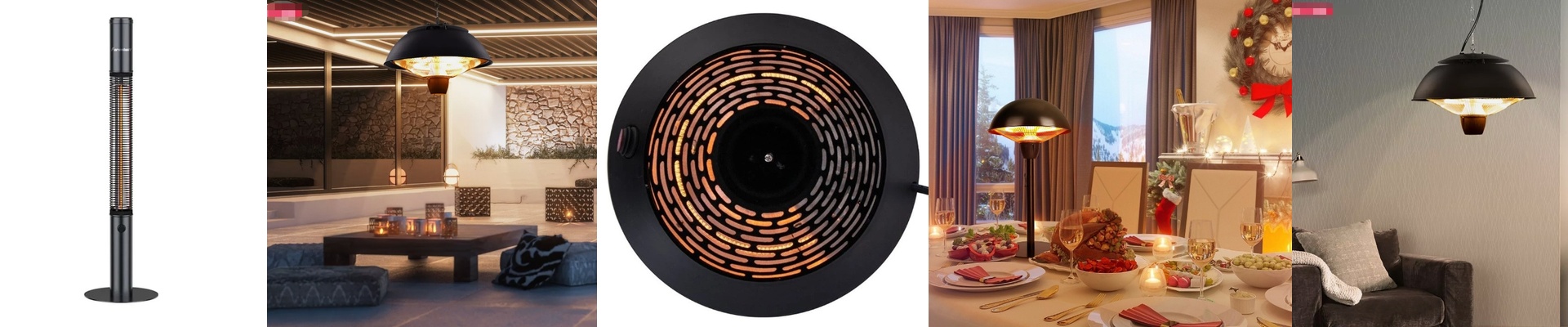
Making Your Pergola Actually Warm (Without the Headache)
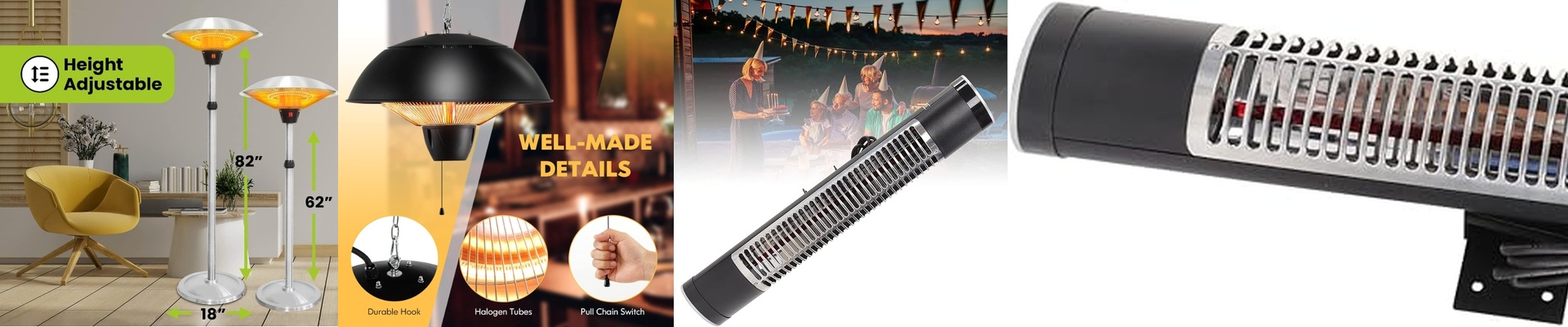
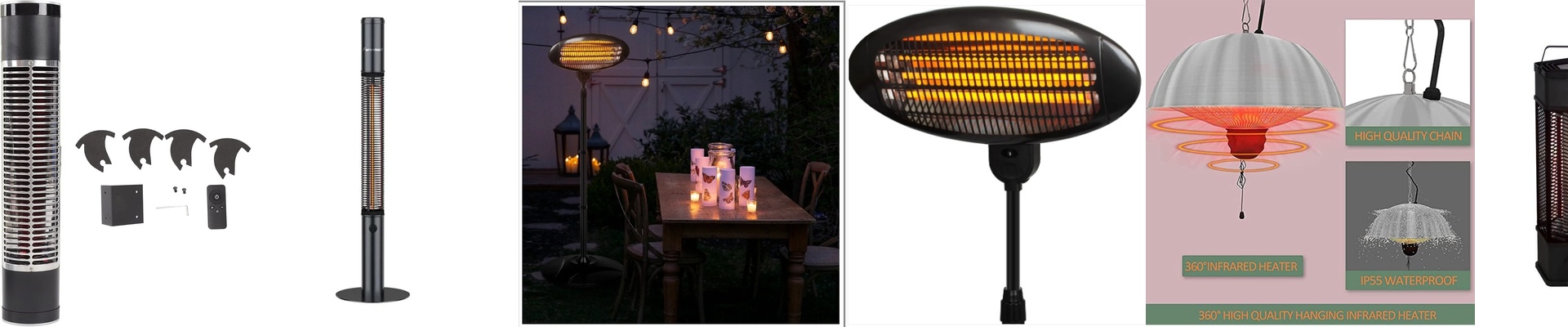
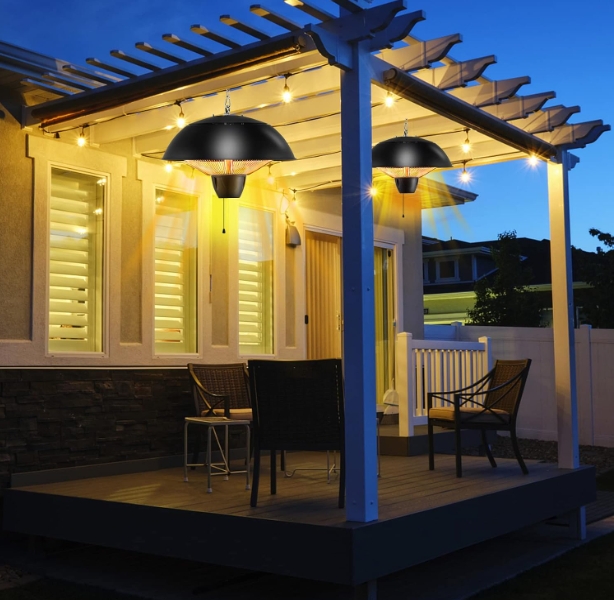
Nobody likes that feeling of wanting to sit outside, but knowing you’ll be shivering in five minutes. We wanted to fix that. The goal was simple: make a heater for pergolas that feels like you’re indoors, even when you’re totally exposed to the elements. We use shortwave infrared. Instead of trying to heat the entire outdoors—which is a losing battle—these heaters go straight for the people and the furniture. You feel the warmth the second it hits you.
The Nitty-Gritty Hardware
Since these live outside, we can’t just slap a heater up and hope for the best. We use IP-rated enclosures to keep moisture away from the electrical guts. One stray drop of rain in the wrong place and you’ve got a short circuit. These things are powerful. When you flip the switch, the filaments hit peak temp almost instantly. But here’s the catch: you can’t just plug these into any old outlet. You’ll need a dedicated circuit. If you try to crowd too many units onto one line, you’re just going to keep tripping your breaker.
Making it “Smart”
The real magic happens when you connect everything to a hub using Zigbee or Matter. We use relays to let low-voltage smart controllers handle the heavy-lifting high-voltage elements. Imagine this: your temperature sensor hits 10°C, and the heaters just… kick in. Automatically. You can do it from an app or a single button. It’s fast. There’s virtually no lag. The signal hits the relay, the circuit closes, and you’re warm. Just like that.
A Few Things to Watch Out For
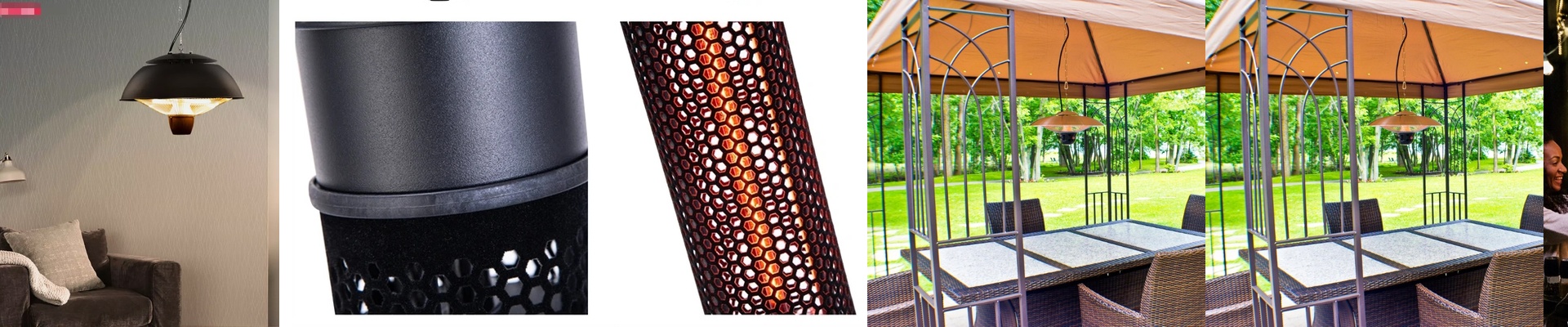
Now, “waterproof” doesn’t mean “indestructible.” These lamps get incredibly hot. If you mount them too close to your pergola’s roof, you’re going to scorch the finish. You’ve got to be really careful with your clearance distances. And one more thing. While the heaters can handle the rain, the smart controllers can’t. You’ll need to tuck the logic boards away in a separate, dry junction box. If you don’t, the boards will fry, and you’re back to shivering.