

Why Your IP55 Heaters Keep Shorting Out (And How to Stop It)
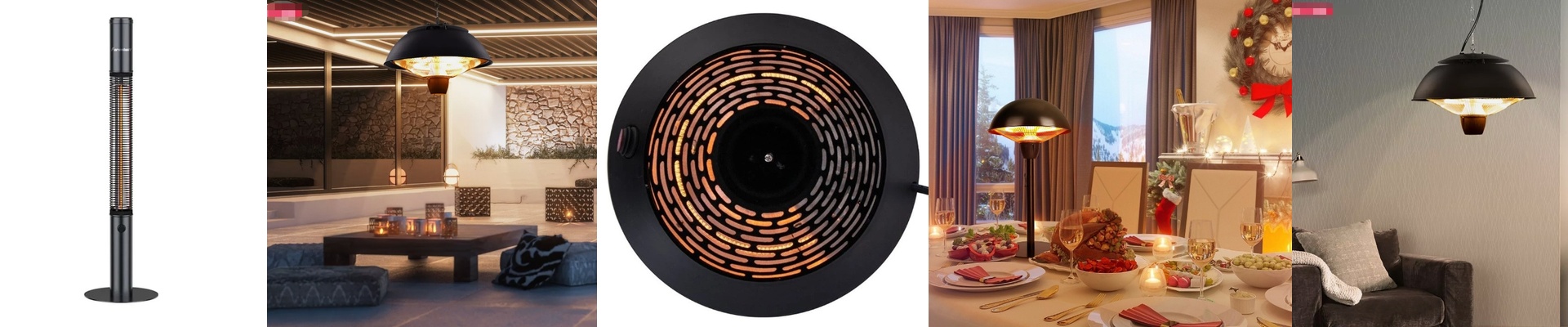
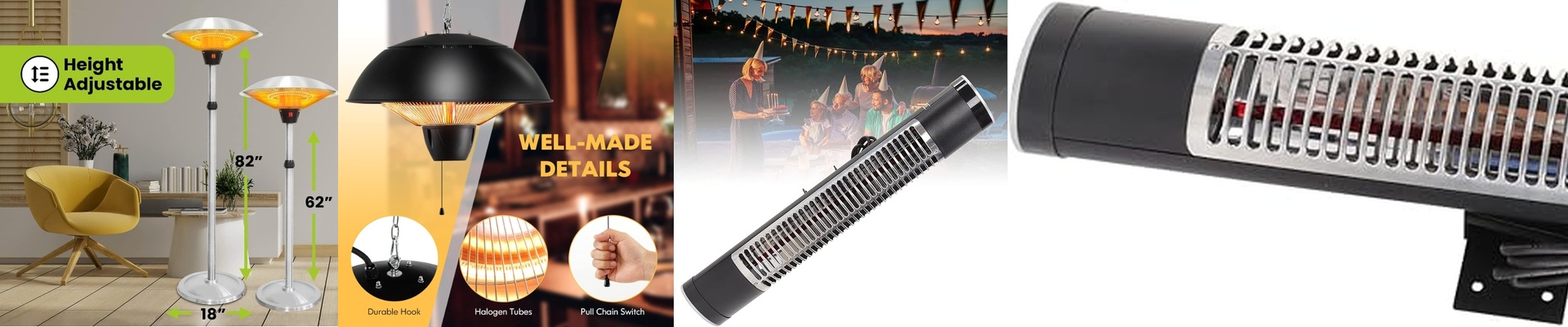
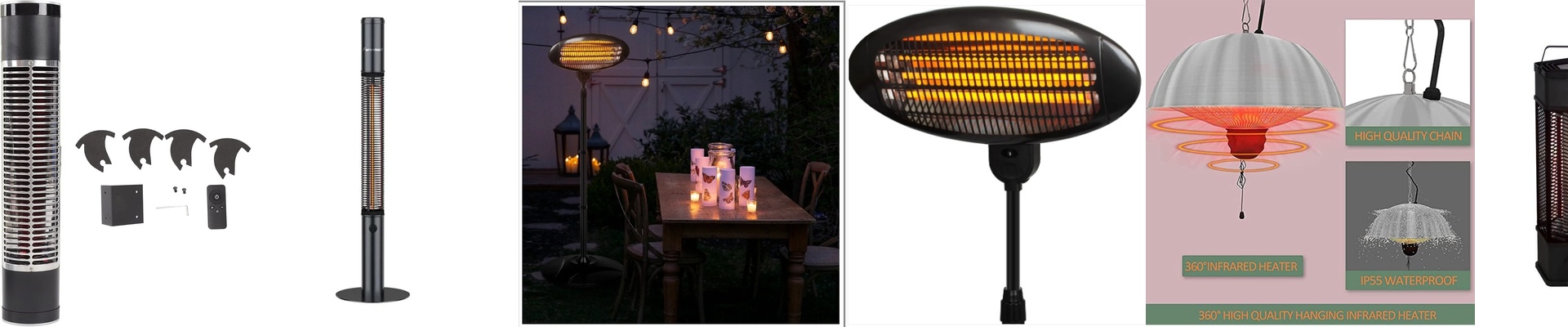
Here is the truth about waterproof heaters: they almost always fail at the same spot. It’s always the lead-wire entry point. When you’re shopping for an IP55-rated table heater, you aren’t just buying a shell that can handle a few splashes. You’re actually fighting a battle against heat and moisture right where the wires meet the heating element.
The “Slow Burn” of Thermal Aging
Most standard heaters use basic silicone gaskets or some cheap adhesive to keep things tight. But infrared systems are brutal. The temperature difference between the glowing core and the outer housing is massive. Over time, those cheap seals shrink. They crack. And once a tiny gap opens up, moisture crawls right in. That leads to oxidation, and before you know it, you’ve got a short circuit. It happens all the time with those “commercial grade” units that look good on paper but aren’t built for a real industrial environment.
Doing it the Right Way
To actually get the reliability you need, we do things a bit differently. First, we strip and tin the lead wires with high-temp solder. Then, instead of just gluing them, we use a specialized heat-resistant potting compound. This basically fuses the wire insulation to the heater chassis, creating a total seal. The best part? This stuff stays flexible even at 200°C+. It doesn’t crack or peel, which means water can’t “track” along the wire and fry your electronics.
The Catch
Now, there is a trade-off here. Because the leads are potted into the chassis, you can’t just pull a wire out and swap it if the cable gets damaged in the field. You’ll have to replace the whole heating assembly. It’s a tough call, but we’d rather you lose a bit of modularity than have your entire system burn out just because the environment got a little damp. One last thing. Make sure your power supply can actually handle the load. These high-density heaters pull a lot of current. If you have a loose connection at the terminal block, it’ll create a hotspot that makes all that fancy internal sealing completely pointless. Keep those connections tight.