
Stopping the Nightmare: Shatter-Proof IR Lamps
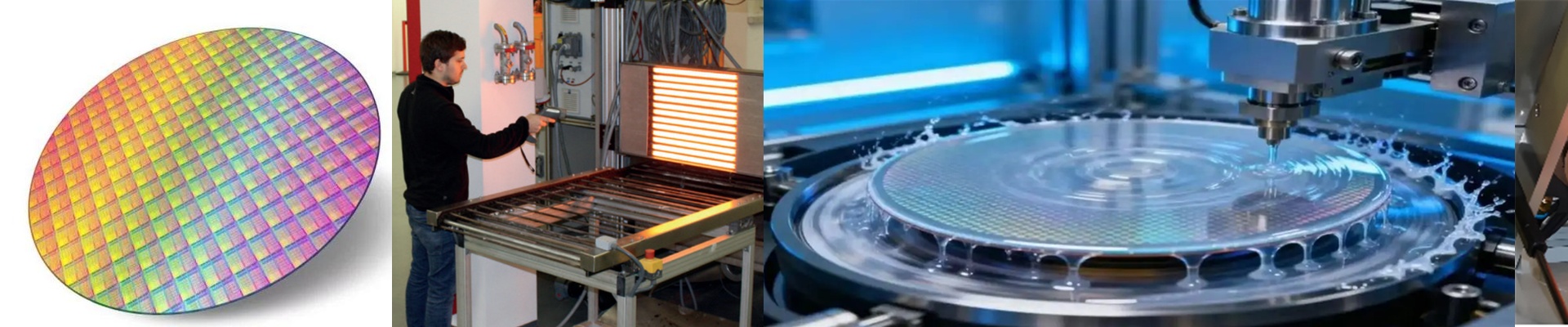
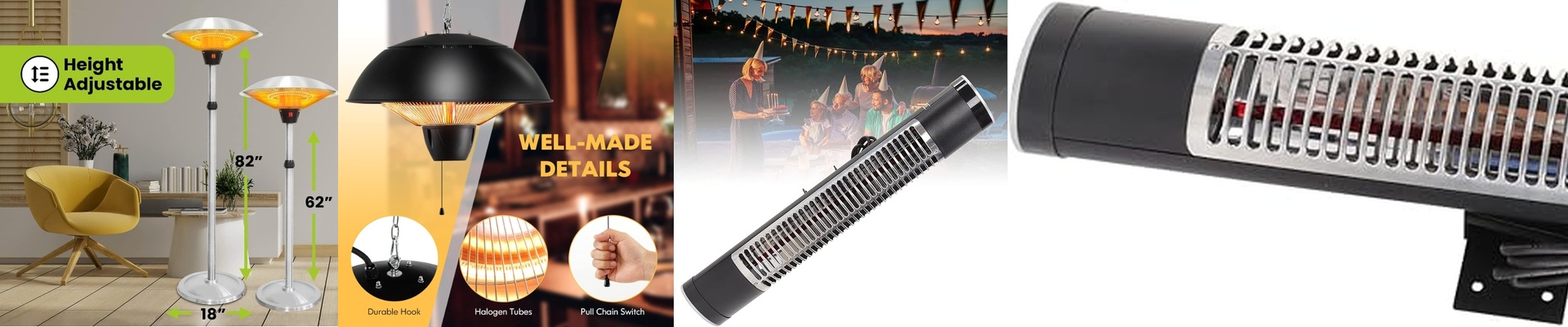
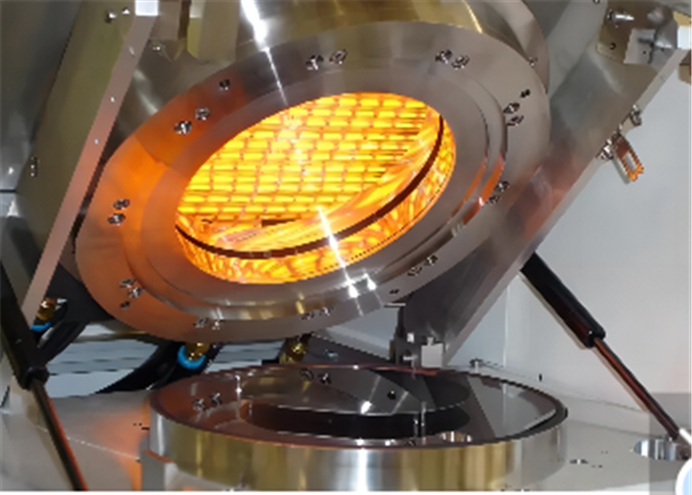
In a high-load fab, a lamp blowing out is more than just a maintenance headache. It’s a disaster. When a quartz tube bursts, you don’t just lose a bulb. You get glass shards and tungsten filaments raining down right onto your wafers. One pop, and your entire batch is trash. That’s a lot of money and time gone in a split second. We built our infrared lamps specifically so you never have to deal with that. Keeping the mess inside We start with high-purity synthetic quartz, thickened just enough to handle those brutal temperature swings. But the real secret is the protective sleeve and shatter-resistant coating. Think of it like a safety net. If the inner filament fails and the tube cracks, the coating grips everything. It holds the fragments together, keeping the debris locked in place so nothing drifts into your clean room. Heat, power, and the breaking point These lamps push a lot of wattage, which means some serious heat. Here’s the thing: you have to be spot-on with your power supply. If you over-volt the tube, you’re basically inviting it to burst and cutting its life short. To help with that, we use connectors that can take the heat without melting or arcing when things get intense. The honest trade-off I’ll be straight with you—adding a sleeve or coating does cost you a little bit of heat. You’ll probably see a 5-10% drop in infrared transmission compared to a totally bare tube. You might need to tweak your ramp-up times or bump the power a nudge to keep your process where it needs to be. But look at it this way: you’re trading a tiny bit of efficiency for the peace of mind that you won’t lose a million-dollar wafer run because of one shattered bulb. Just make sure you wire these into a system with proper thermal fusing. When the lamp finally hits its end-of-life, it’ll fail quietly and safely, leaving your fab exactly how you found it: clean.