
Keeping Things Safe: IR Lamps in Chemical Zones
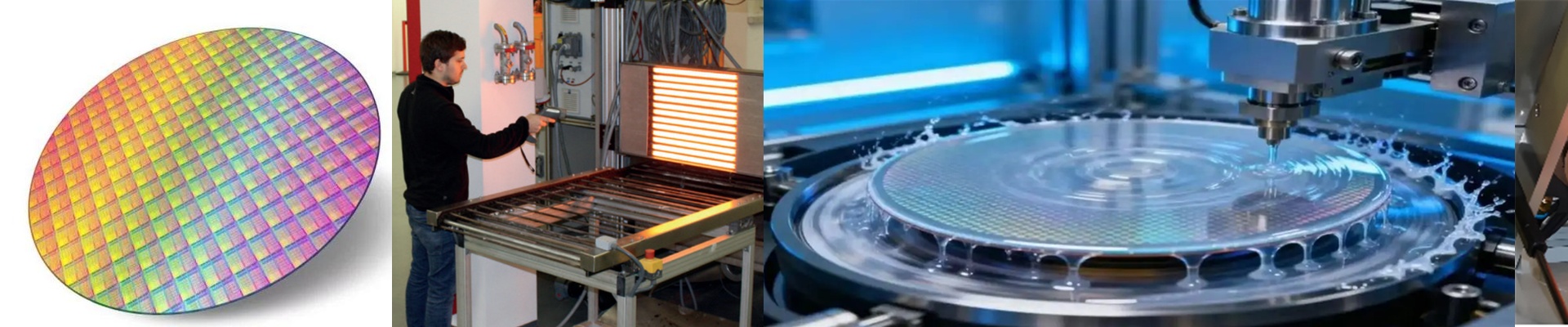
If you’re running infrared heaters in a clean room—especially around flammable cleaning agents—you know the stakes. One tiny spark or a thermal leak isn’t just a technical glitch; it’s a potential explosion. That’s why a standard lamp just won’t cut it. We build our lamps with a specific kind of “shell” that keeps the heating element completely separate from the air around it. Keeping the bad stuff out The secret is in the seal. We use a hermetically sealed quartz envelope and reinforced end-caps. Think of it as a fortress for your electrical contacts. But we don’t stop there. We use high-temp gaskets and specialized potting compounds at the connection points. Why? Because corrosive vapors love to eat through standard wiring. This setup stops that “burn out” before it even starts. Managing the heat Heat density is where things get tricky. You want the energy hitting your workpiece, not your chemical tanks. We handle this by dialing in the wavelength. It keeps the heat focused exactly where it needs to be. Plus, we use heavy-duty mounting brackets. This keeps the lamp from vibrating, which is huge, because a vibrating quartz tube under thermal stress is just asking to crack. The reality check Here’s the thing: there’s no such thing as a “set it and forget it” system. Our encapsulation stops vapors from getting inside the lamp, but the lamp still puts out a lot of heat. If your ventilation is lazy, that heat can still ignite solvent fumes sitting on the surface of your bench. You’ve got to pair these lamps with a high-CFM exhaust system. If the airflow is too low, the ambient temperature will just creep up until you hit the flash point of your chemicals. And nobody wants that. We build these units to take a beating in the harshest environments. You get a replacement that drops right into your existing clean room footprint, but you get to sleep a lot better knowing the risk of ignition is low.