Cutting Cycle Times in the Fab: Why IR Curing Beats Forced Air
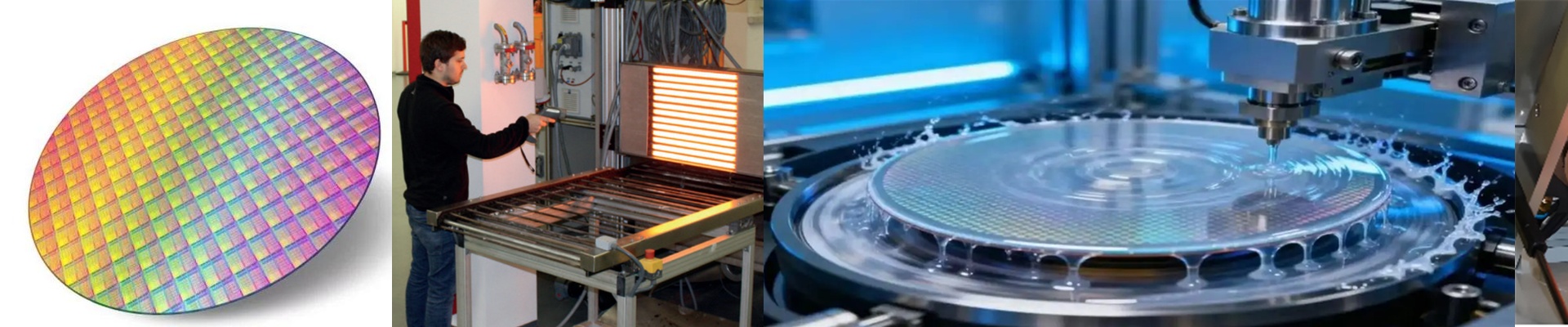
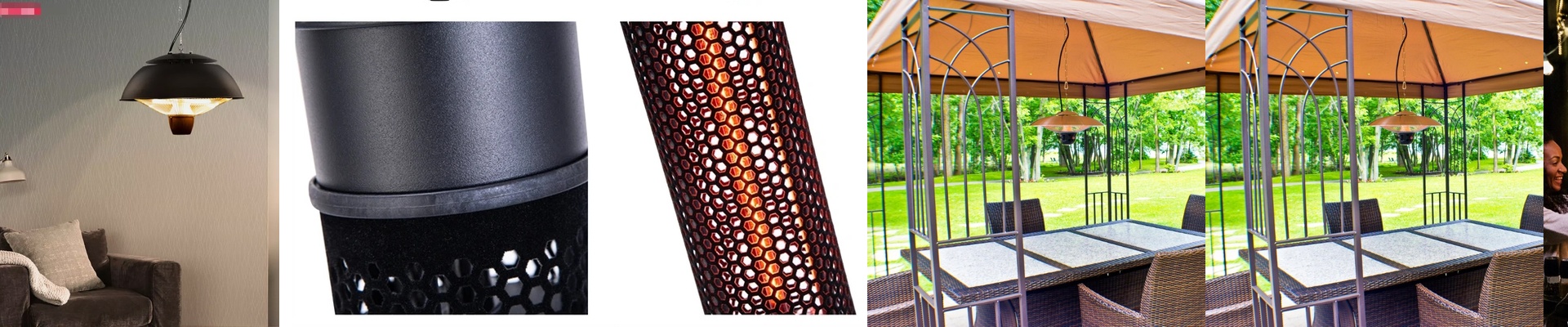
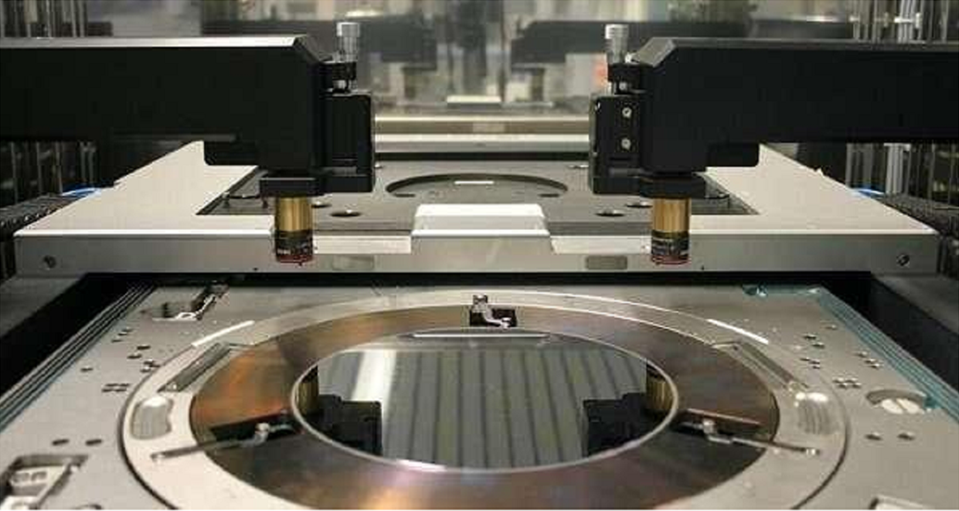
If you’re still using forced air convection in your deep processing, you’re basically paying a “time tax” every single day. Think about how air heating works. You have to warm up the entire chamber, the walls, and the air itself before the substrate even feels a thing. It’s slow. It’s clunky. IR curing lamps change the math. They don’t bother with the air. They just shoot energy straight into the material. The real difference in speed Air systems have this annoying thermal lag. It’s like trying to boil a pot of water by heating the whole kitchen first. But with IR? It’s instant. When you’re curing resins or drying photoresists, that “ramp-up” time basically disappears. You can target the exact absorption bands the material needs, meaning you aren’t wasting energy heating the empty space around your part. We’re talking about moving from minutes down to seconds. That’s a massive win for your throughput. Saving space on the floor Getting rid of a convection oven also clears up a lot of room. You can toss the massive blowers and the messy ducting. Instead, you get a compact array of lamps tied to a precision controller. The best part? You can zone the heating. You get to tweak the heat profile across a wafer or panel, which means no more worrying about those random hotspots you get with turbulent air. The catch (because there’s always one) Now, look—IR curing isn’t something you just plug in and forget about. Because it hits so hard and so fast, you can actually scorch the surface if your wattage is off. You can’t guess here; you need real-time sensors to keep an eye on the surface temperature. Also, keep an eye on your bay. If your cooling system isn’t pulling heat away from the edges of the tool, your workspace is going to get hot. You’re trading that slow, steady air for high-density energy, which just means you have to be a bit more dialed-in with your process control.