Stop Your Fab Equipment From Turning Into an Oven
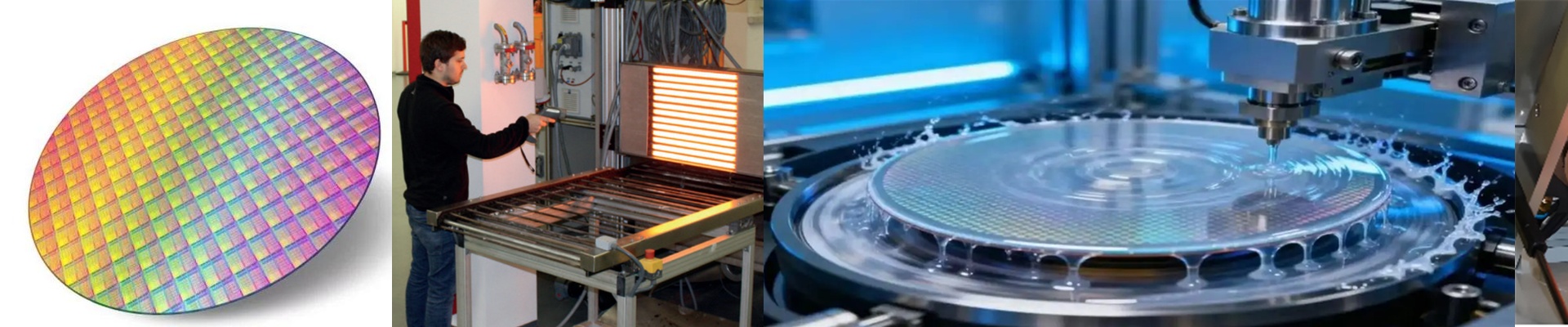
If you’ve ever worked with high-wattage IR lamps in a semiconductor tool, you know the struggle. You turn them on, and suddenly the whole machine starts soaking up heat. It’s an annoying cycle. Without a way to steer that radiation, the heat doesn’t just hit the wafer—it bounces everywhere. It hits the inner walls, turns the chassis into a giant heat sink, and before you know it, the equipment is hot enough to burn an operator or throw your electronics completely out of whack. Enter the quartz glass shield. Think of it as a thermal director. We slide a precision-engineered quartz barrier between the lamp and the chamber wall to keep those stray IR waves from wandering. Why quartz? Well, it’s the only stuff that can handle the madness of a lamp jumping from room temperature to over 1,000°C without just shattering. It takes the shock and keeps standing. Here’s the thing: standard IR lamps throw heat in every direction—a full 360 degrees. In a crowded fab, that’s just wasted energy. By using a shield, you’re forcing that energy exactly where it needs to be: on the substrate. The result? The outside of the machine stays cool to the touch, and your wafer gets a much tighter, more consistent temperature profile. It just feels more stable. But, like everything in engineering, there’s a trade-off. You’re adding a layer of glass, so you’re going to lose a bit of that raw IR punch through absorption. It’s not a dealbreaker, but you’ll probably need to bump up the lamp power or tweak your dwell time to keep your process window where it belongs. And a quick heads-up: check your cooling fans. If they aren’t ready for the redirected heat, you might see a spike right near the shield mounts. Also, do yourself a favor and use high-temp leads. Nobody wants to deal with melted insulation near the quartz housing.