Stop Heating Your Vacuum Chamber (And Start Heating Your Wafer)
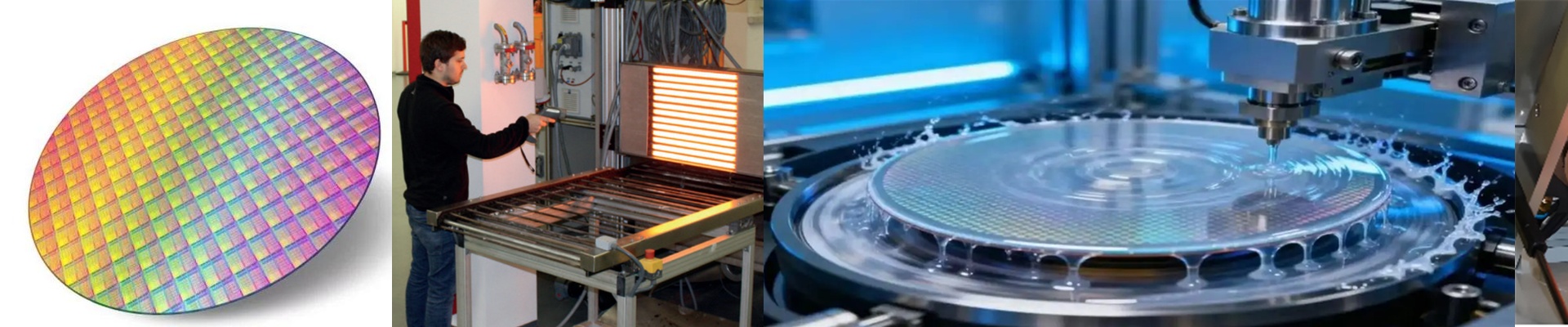
If you’ve ever run high-power IR lamps in a semiconductor vacuum chamber, you know the struggle. It’s a constant fight against heat soak. The problem is that standard lamps just blast energy in every direction—a full 360-degree spray. In a tight vacuum, most of that heat doesn’t even touch the wafer. Instead, it slams right into the chamber walls. You’re wasting a ton of power, and the outside of your equipment gets hot enough to burn someone. Here is the fix: Directional heating. Instead of just using a bare quartz tube, we use reflective coatings or parabolic reflectors to push that IR energy exactly where it needs to go. We’re basically narrowing the beam. It’s a simple shift, but it changes everything. You stop trying to heat the entire machine and just focus on the part. Now, you can’t just slap any lamp in there. We usually stick with short-wave IR emitters. They handle vacuum environments better and actually “talk” to semiconductor materials more effectively. But a word of caution:watch your power density. Because these lamps concentrate the heat, they can create nasty hot spots if your focal point is off by even a couple of millimeters. To keep things from going sideways, I highly recommend a PID controller paired with a fast-response pyrometer. If you push the power too hard without getting the alignment perfect, you’re going to scorch the edges of your wafers. The best part? Once you make the switch, you can stop relying on those massive, clunky cooling jackets on the chamber walls. The outside of the tool stays cool. Your operators aren’t dodging burns during maintenance. Plus, you get more throughput without having to call in the plumbers to upgrade your facility’s chilled water capacity. It just works.