
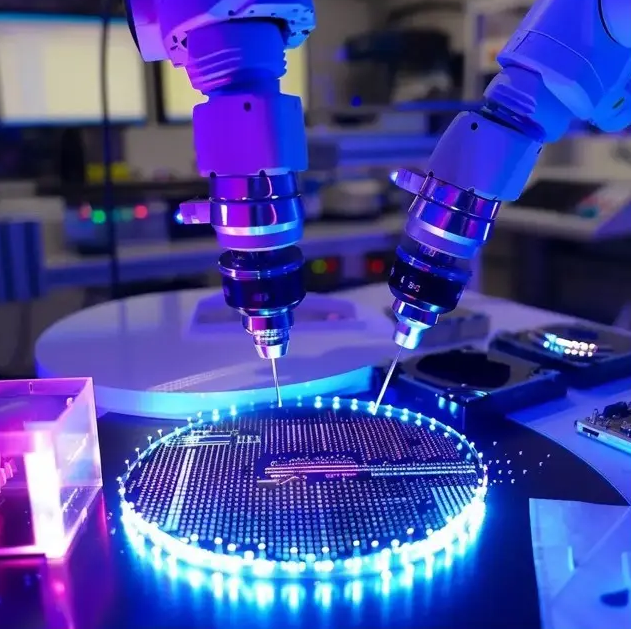
Keeping a Class 100 Cleanroom Actually Clean
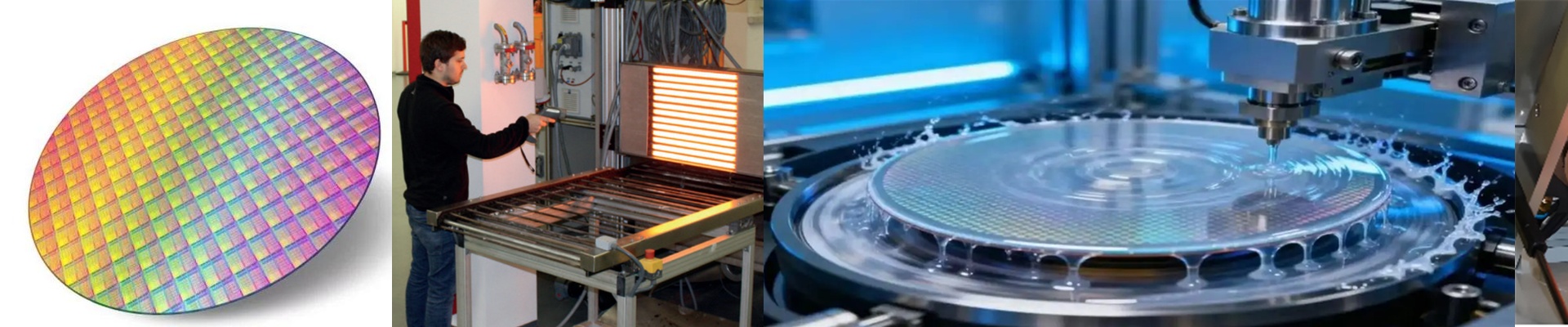
When you’re working in a Class 100 cleanroom, heating isn’t just about getting things warm. It’s a battle against particles. In semiconductor fab, the stakes are brutal. One tiny flake of outgassed material or a single stray piece of metal, and your wafer is toast. To stop that from happening, we lean on a specific combo: high-purity synthetic quartz and Teflon-insulated wiring. The deal with the quartz We use high-purity synthetic quartz for our infrared lamps because it doesn’t “leak.” Standard glass or the cheap stuff tends to outgas when things get hot. That’s a nightmare in a cleanroom. Our synthetic quartz just holds its own. Even at extreme temperatures, it stays solid and doesn’t shed microscopic debris into your workspace. Don’t overlook the wiring The heating element is only half the story. Usually, the wiring is what gives out first. We use Teflon (PTFE) coated wiring for these heaters for a simple reason: it doesn’t smoke or degrade when it hits radiant heat. If you use standard PVC, the jackets melt and release VOCs into the air. Not great. Teflon stays stable. Plus, we wire the leads carefully so nothing rubs or sheds during the install. The trade-offs (because nothing is perfect) Here is the catch. High-purity quartz is more brittle than borosilicate. You can’t just throw on any old gloves—you need the lint-free gear, or you’re asking for trouble. And while the Teflon wiring is a lifesaver for heat, it’s picky about how you bend it. If you kink the wire while you’re setting it up, you might ruin the insulation. Just take it slow. How it actually works in the tool These lamps push out precise, shortwave infrared energy. The beauty of this is that you’re heating the substrate directly. You aren’t wasting energy heating the air or the chamber walls. It keeps your HVAC from working overtime and keeps the particle count where it belongs. It’s fast. Really fast. And it fits into those tight semiconductor toolsets without taking up half the room.