
Semiconductor Infrared Heater Components: The Specs That Actually Matter
Let’s talk about a pretty big question in the industry right now: can a domestically made semiconductor infrared heating lamp really step in and replace the expensive imported ones? It’s a fair thing to wonder. You want performance that matches, and a fit that just works. The answer, as always, comes down to the details. Here’s what we’re looking at. These lamps are built around a 300mm quartz tube, designed to handle serious power—we’re talking 400V. That voltage isn’t just a number; it’s what keeps things stable on the factory floor, ensuring you hit your target temperature without a hiccup. And it’s seriously powerful. A 2500W output packed into that compact size creates a ton of heat in a small space. That’s exactly what you need for rapid heating in semiconductor processing. But it also means you’ve got to make sure your machine’s cooling system is up to the task.
The guts of the design
Inside, the heating element uses halogen-based infrared technology. This isn’t just about getting hot—it’s about focused, shortwave energy that gets straight to the point. It penetrates materials fast, without turning the whole room into an oven. The quartz tube itself often has a special coating. It’s there to boost efficiency and shield the internal filament from harsh chemicals. It’s a small detail, but it makes a big difference in a tough environment.
Making it fit—without the headache
When it comes to installation, these units use standard connectors like R7s or SK15. These aren’t random choices. Take the R7s, for example. It gives you a solid, two-point contact that handles high current safely—no sparks, no arcing. That’s how we get to a true “drop-in replacement.” Same footprint. Same wiring. You just swap it in. No re-engineering. No redesigning the fixture.
How it holds up in the real world
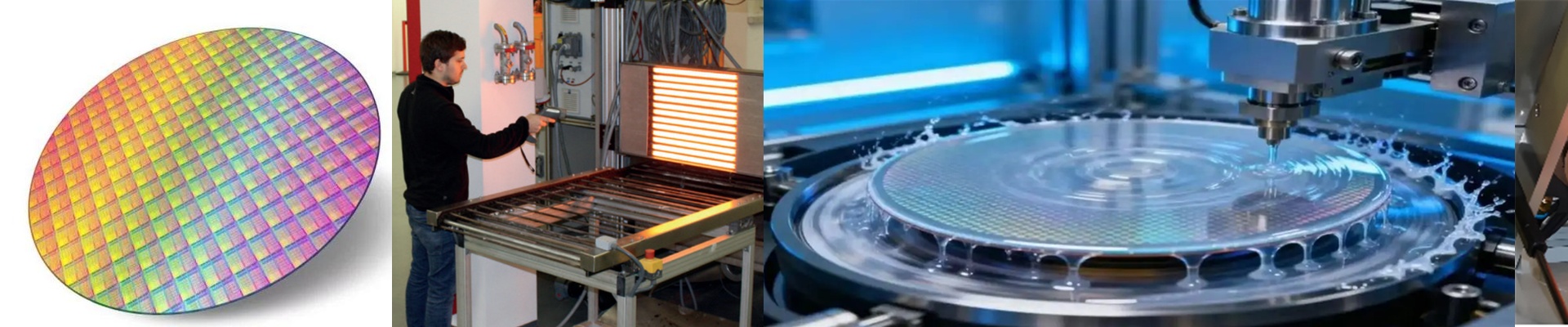
On the production line, these heaters go into semiconductor manufacturing equipment where precise temperature control is everything. The whole point is to swap out those pricey imports without losing any uptime or performance. And honestly, the “non-destructive installation” claim holds up. The dimensions line up, the connectors match the existing hardware. It just fits. But here’s the catch—and it’s an important one. Even if the electrical and mechanical specs line up perfectly, you still need to double-check your machine’s control logic. Some imported systems use proprietary feedback loops. Our lamps hit all the thermal and physical marks, but you’ve got to make sure the communication between the lamp and your controller speaks the same language. If it does? You’ve got a tough, reliable alternative that can take the daily grind of the production line—without breaking the bank.