Stop Losing Money to Cold Patios
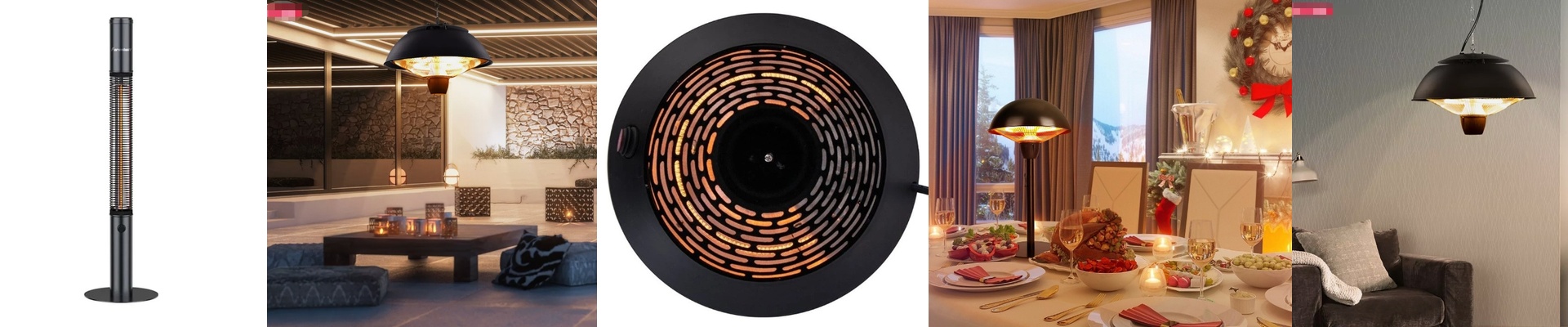
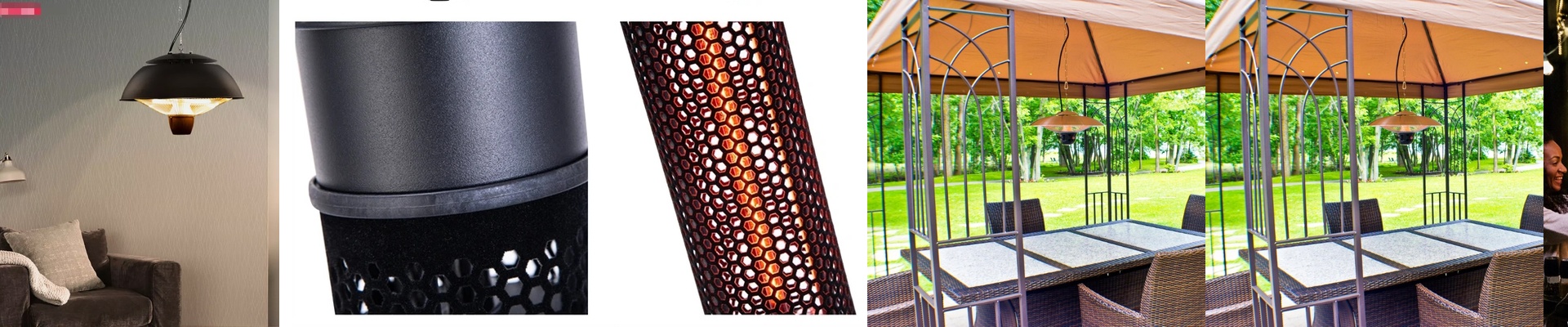
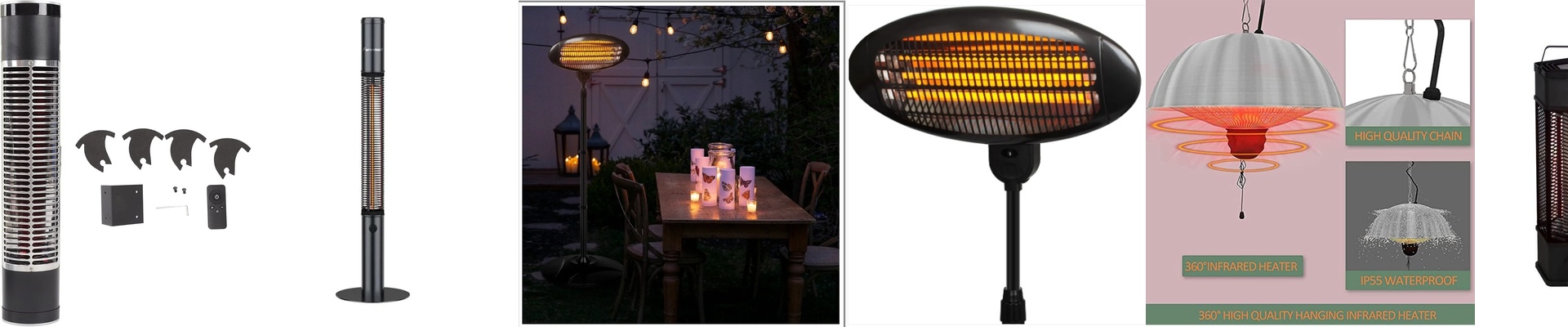
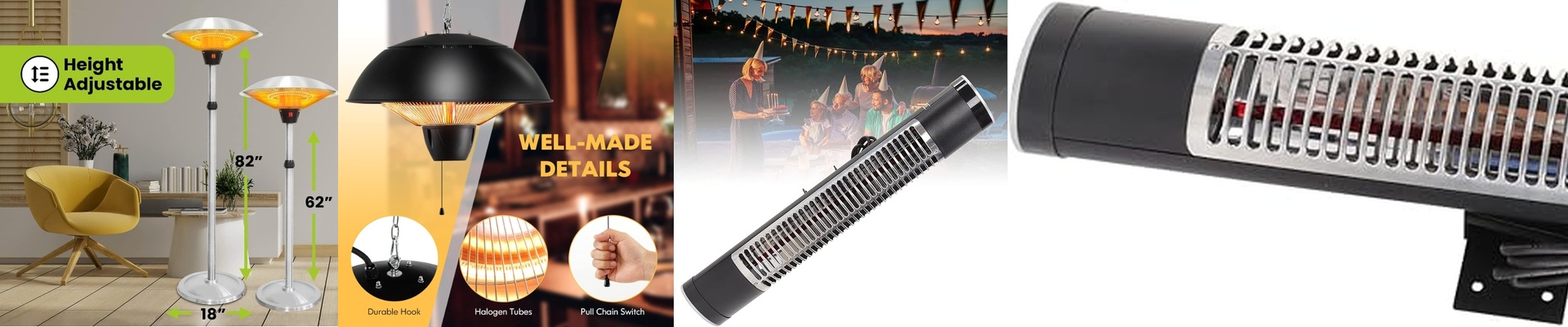
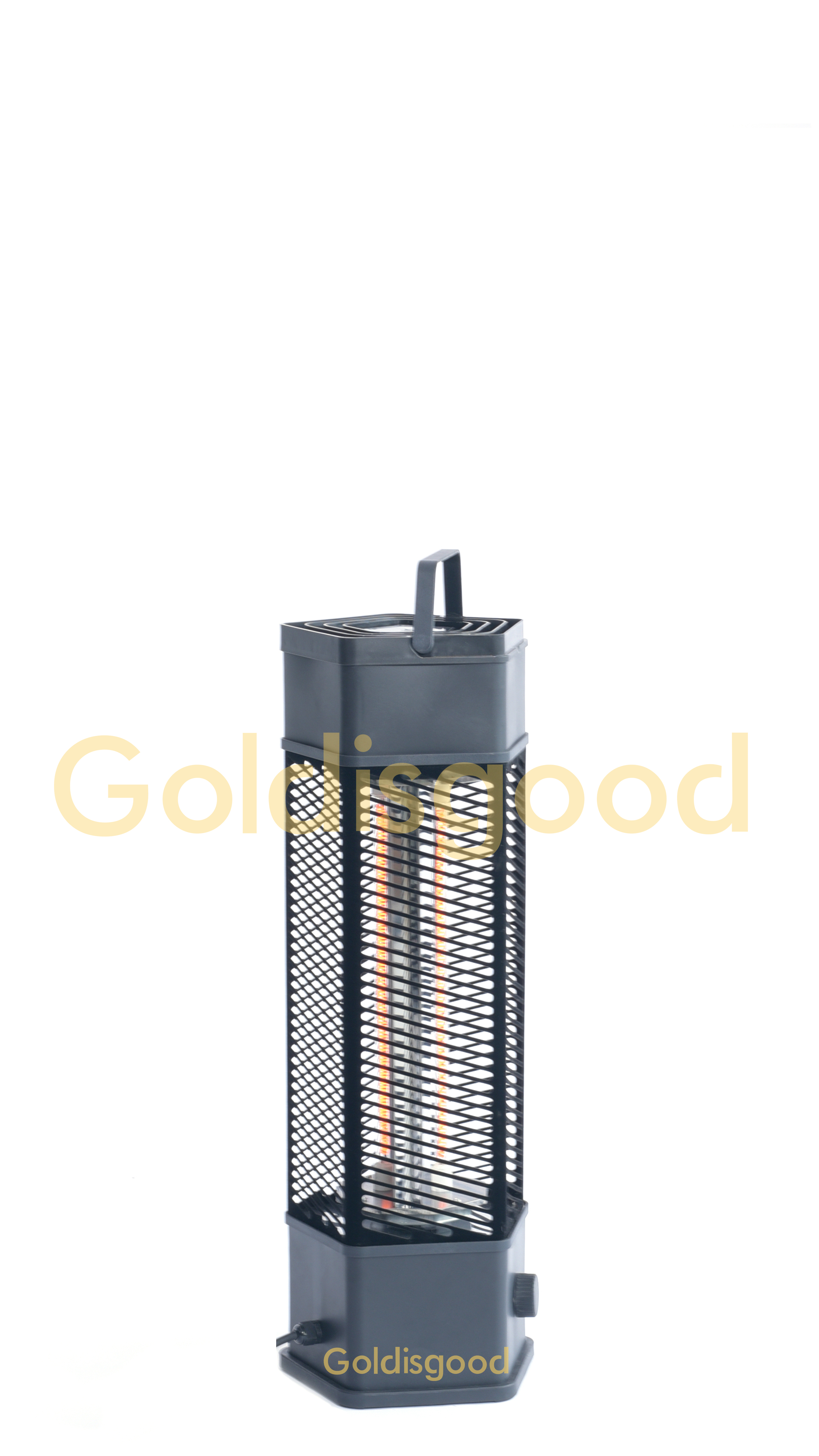
Let’s be honest: running an outdoor seating area in the winter usually feels like a losing battle. You’ve got these great tables, but they sit empty because nobody wants to freeze while eating a salad. Most people try to fix this with those big convection heaters. The problem? They try to heat the air. But outdoors, the wind just carries that heat away before it ever reaches your guests. It’s a waste of electricity and a headache for you. That’s why we do things differently. We use shortwave infrared (IR) technology. Instead of fighting the wind, these units beam heat directly onto your customers. It feels like stepping into a patch of sunlight on a crisp day. The secret is in the “heat zone.” If you get the wattage right for your space, your guests aren’t just “tolerating” the cold—they’re actually comfortable. It’s the difference between someone grabbing one quick drink and shivering their way out, or staying for a full three-course meal and a bottle of wine. Now, about the gear. We use quartz glass tubes with special coatings. Why? Because nobody wants a blinding light shining in their face while they’re trying to have a conversation. These keep the warmth but kill the glare. A few things to keep in mind for the setup: Most of these units run on 220V-240V. If you’re installing a whole row of them, don’t just plug them all into one circuit. You’ll trip your breakers in the middle of a dinner rush, and that’s a nightmare you don’t want. Balance the load across your phases. Also, since this is outdoors, make sure your cabling is weather-rated. Rain and humidity are brutal on electronics. And if you’re using the heavy-duty 2000W+ lamps, double-check your mounting brackets. You want a sturdy fit so you don’t accidentally scorch your ceiling or awning. At the end of the day, when your patio feels cozy, people stay longer. And when they stay longer, they order more. Just remember to check your electrical panel before you go all-in. A full array of IR heaters pulls a lot of power, and a mid-service blackout is the last thing your staff needs.