
Why we’re ditching hot air for Infrared in semiconductor processing
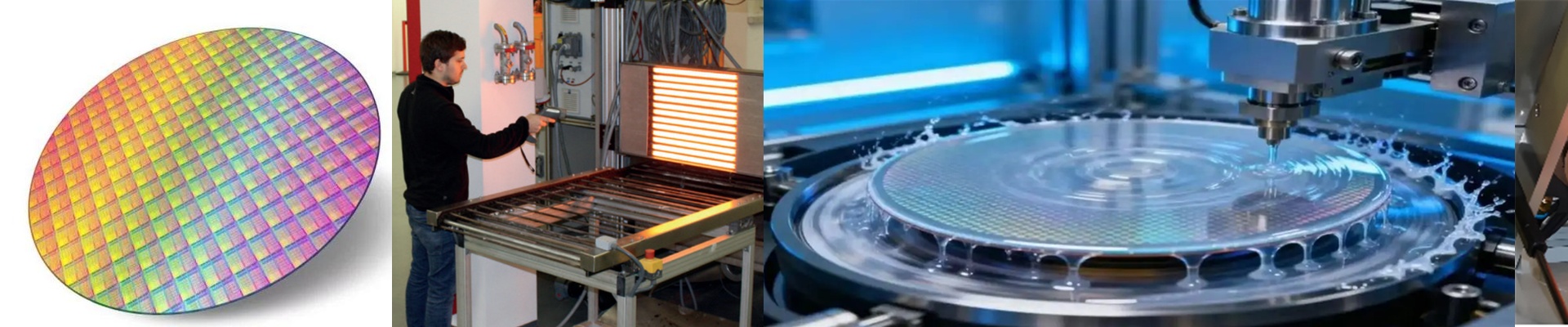
Think about how a convection oven works. You heat the air, and then the air eventually heats the wafer. It’s a slow process. In the world of deep processing, that delay is basically just wasted money. That’s why we’ve stopped relying on those bulky blowers and switched to infrared (IR) heating. Instead of warming up the room, we shoot the energy straight into the substrate. The clock is always ticking Convection is just slow. You’re stuck waiting minutes for the chamber to hit the right temperature. With IR lamps, you’re there in seconds. It’s almost instant. Since you aren’t wasting time heating the air around the part, your cycle times plummet. You get more wafers through the door every hour without having to build a bigger cleanroom. Getting the temperature just right Hot air has a habit of being moody. You get hot spots here, cold patches there—it’s never perfectly even. IR is different. We can actually zone the heat. By picking lamps with specific wavelengths that match your materials, the heat absorption is way more consistent. We use halogen filaments inside quartz envelopes to get that kind of heat density. They pack a ton of power into a tiny space, and when you pair them with fast-switching controllers, you can tweak the temperature in real-time. The catch (because there’s always one) Now, IR isn’t a magic fix for everything. Because the energy hits so hard, it’s easy to overshoot your target temperature if your PID loop isn’t dialed in perfectly. You also have to be smart about shielding. If your reflectors aren’t set up right, you’ll end up heating the machine frame instead of the wafer. Plus, you’ll need a cooling system that can actually handle the intense heat near the lamp housing, or you’re looking at burnt-out components. Still, for any shop trying to move past those old-school convection ovens, this is the way to go. It stops the heating process from being the bottleneck in your day.