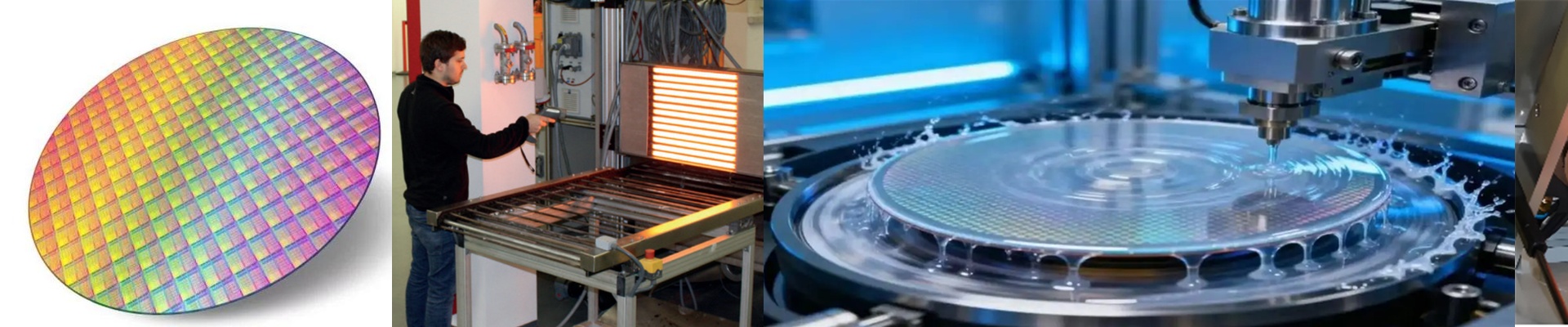
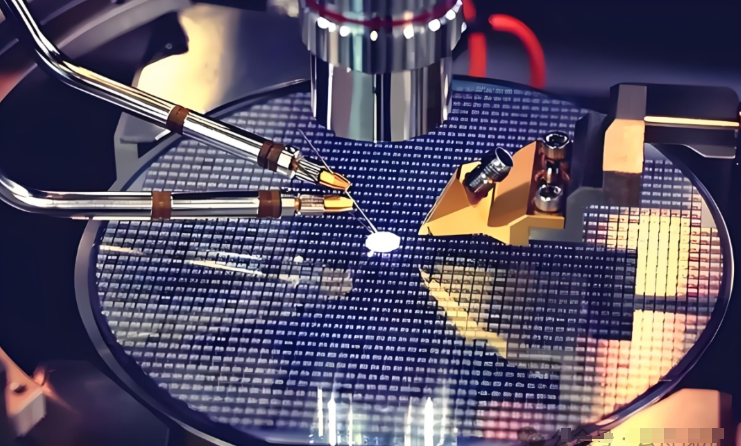
On the fab floor, photoresist bake isn’t some polite thermal step. It’s a tolerance play. A 2°C drift in soft bake or hard bake can shift critical dimensions by nanometers, and you’ll be scrapping wafers before the litho scanner even calls out the shift. The heating element is where that thermal budget lives or dies. What matters under the hood We build these quartz heating elements for semiconductor thermal control, not some general-purpose heating job. The quartz body keeps outgassing low and stands up to chemical exposure, cycle after bake cycle. Across the active area, we’re chasing wafer-level uniformity within ±0.1°C, so every exposure field lands on the same temperature. Output stays stable for thousands of hours, with drift held down to protect process repeatability. The geometry matches the hot-plate footprint, and the termination choices are picked for clean tool integration and long-term mechanical stability. Why it holds up in litho bake tools In lithography bake tools, temperature repeatability is yield control. A stable quartz element keeps the bake profile consistent, which cuts photoresist footing and standing-wave effects that otherwise send you into rework. Cleanroom compatibility matters, too — the construction is built for low particle generation, so Class 1–100 environments stay in spec. That means fewer line stops, fewer qualification drifts, and less scrap. Energy use is disciplined as well: efficient heat delivery shortens ramp time and reduces wasted thermal mass cycling. What to keep in mind on install and lifecycle Installation is straightforward, but treat the element with clean handling and align it precisely to the platen. Any misalignment can create a localized hot spot and kill uniformity. Operating life depends on bake temperature, duty cycle, and how tight your cooling discipline is — higher setpoints accelerate thermal stress. Plan replacement windows during scheduled PMs, and match the element to the tool’s control strategy so the sensor feedback and heater response stay in step.