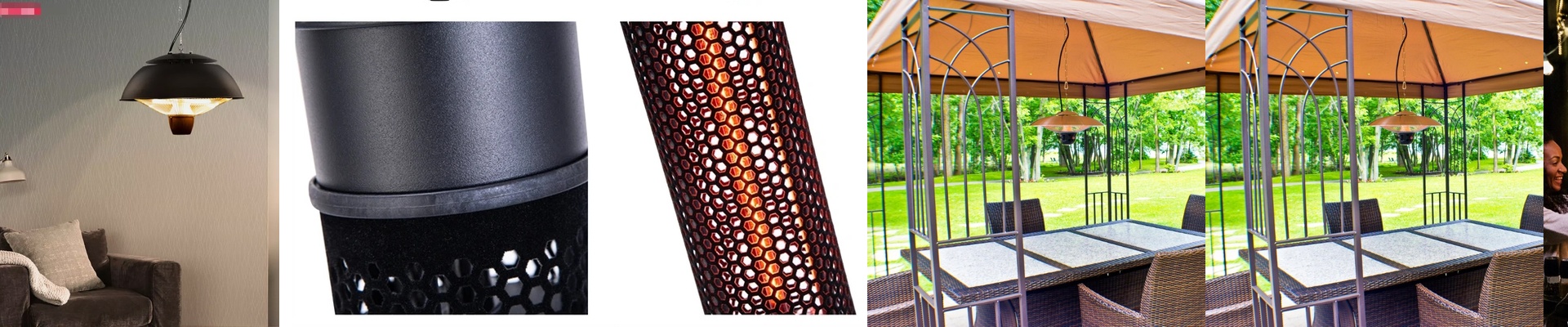
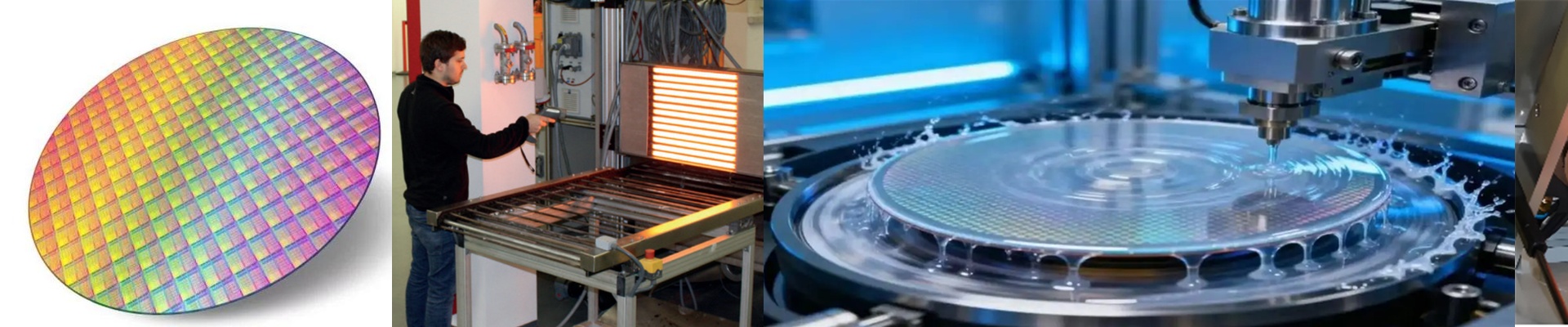
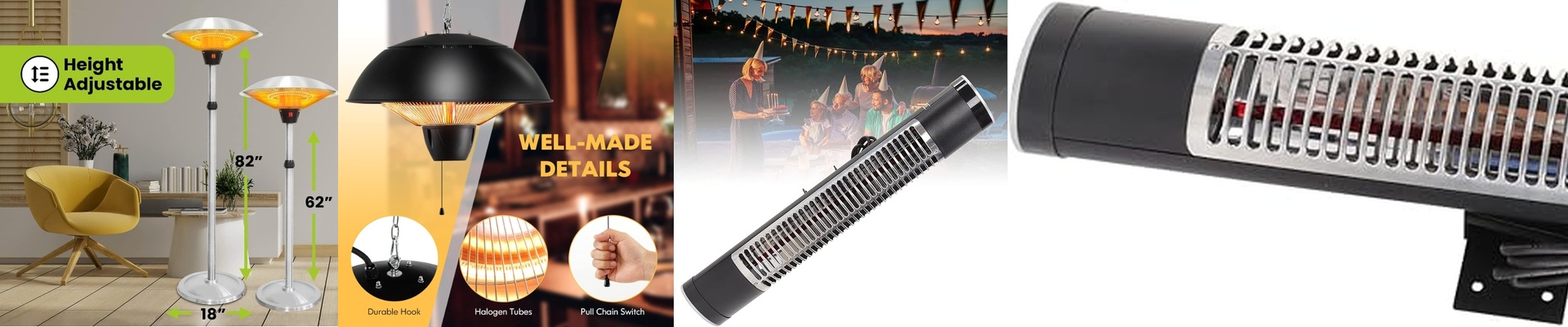
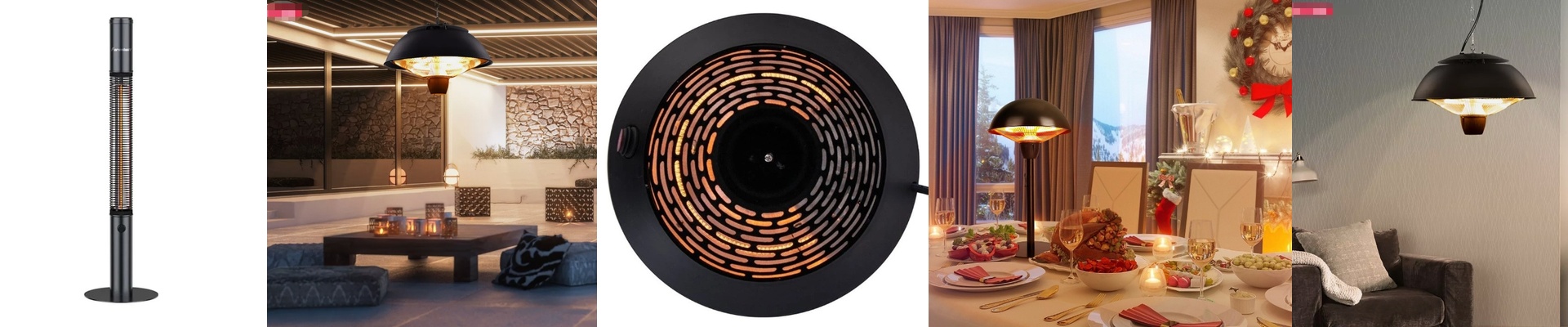
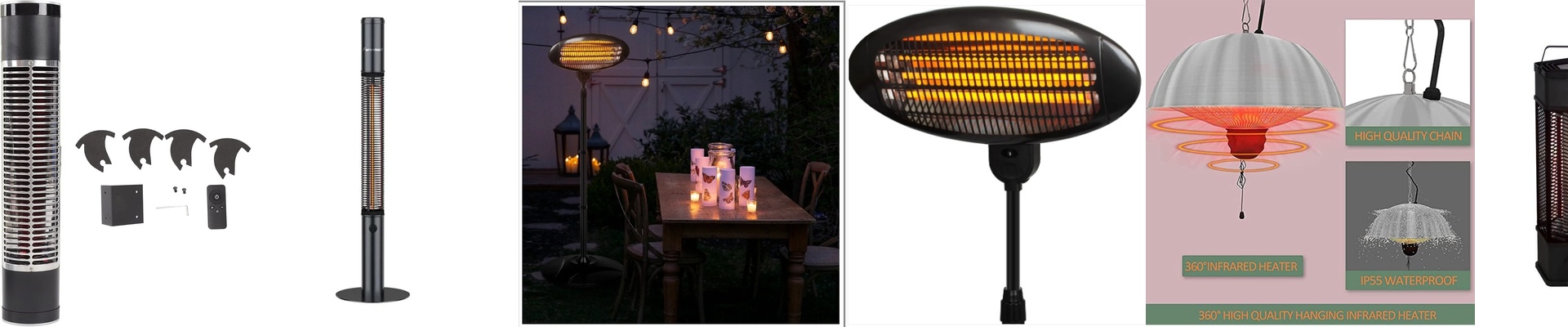

In museums and galleries, heat has to do its job without putting the collection at risk. Forced-air systems kick up dust and drive humidity up and down, and that’s the last thing you want near sensitive pieces. Infrared warehouse heaters take a different tack: radiant heat that warms people and objects directly, with no moving air and no harsh convection.
What actually matters under the hood
It all starts with the emitter. We build these units around quartz tubes and medium-wave elements that put out focused radiant heat, then pair them with a reflector assembly to aim the energy exactly where you need it. You get targeted warmth that feels immediate—no drafty ups and downs. Output is adjustable, and a thermostat holds the setpoint so conditions stay steady. For safety, the heaters include tip-over protection and a sealed design that keeps things reliable in controlled indoor environments.
Why this approach fits museums and galleries
Art and artifacts need stable microclimates. Infrared warehouse heaters warm surfaces and people without blowing air that can carry particulates or dry things unevenly. The heat arrives quickly, so you can hold a steady temperature near valuable pieces, cut down on swings, and keep staff and visitors comfortable. Because the energy is directed, you can zone it—focus on entryways, viewing areas, or back-of-house storage—without overheating the spaces next door.
The practical details you can’t skip
Infrared warmth is direct, so placement matters. Keep proper clearances to combustibles and follow the manual’s spacing guidance to avoid localized hot spots. These units are designed for indoor, protected locations; if you need heating in damp or exposed areas, pick a model rated for that environment. For the best performance, pair the heater with a wall-mounted thermostat and plan your circuits to match the load. That way the system runs smoothly, quietly, and with predictable control.