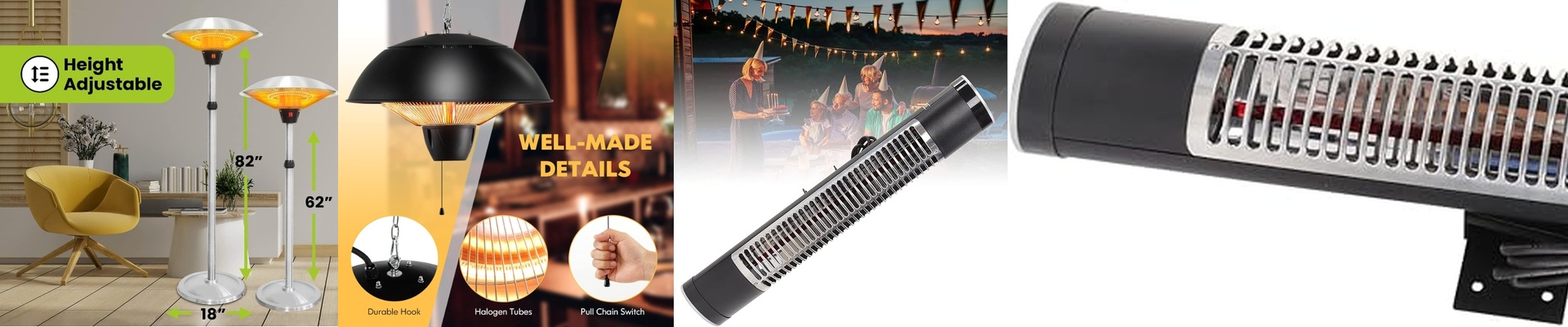

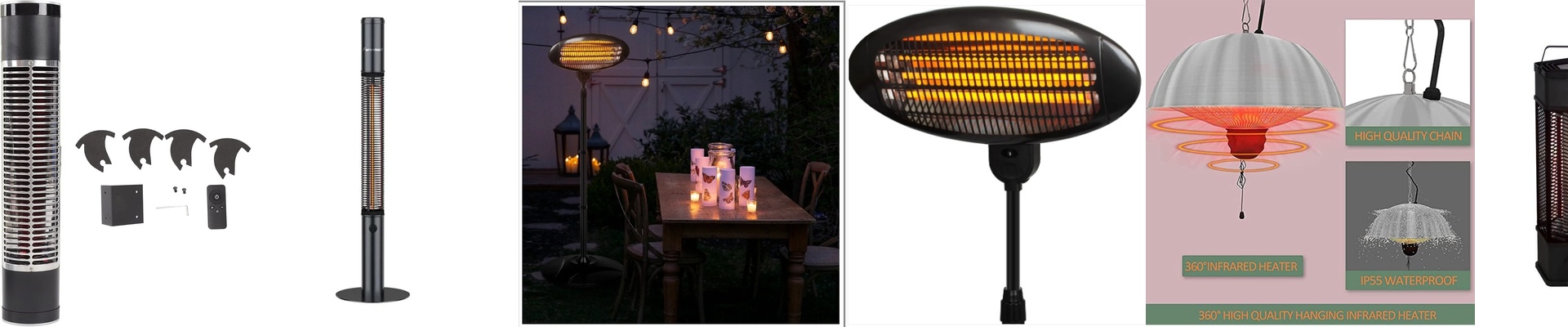
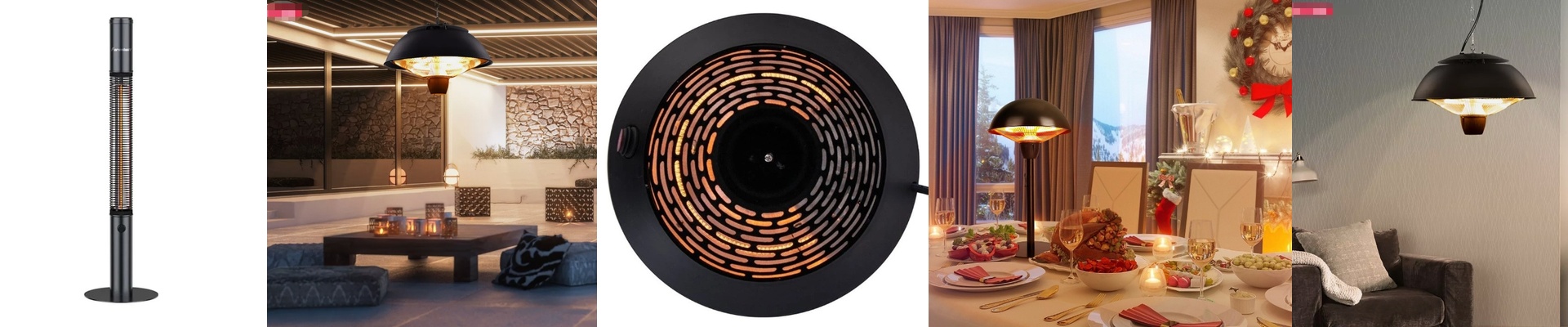


Winter shows up the way it always does—slowly. The cold starts in the floor, works its way into your hands and feet, and no blanket seems to reach it the way steady heat does. An infrared tower heater doesn’t just warm the air. It delivers radiant heat that goes right where you feel it, warming surfaces and people directly, not the empty space around them.
What’s actually going on under the hood
These heaters use a radiant element—usually a quartz tube or a carbon fiber filament—to produce long-wave infrared warmth. The feel is soft and directional, like standing in a patch of sun. Most models run on standard household power, pull a moderate amount of current, and sit in a slim tower footprint that keeps floor space open. A built-in thermostat keeps output consistent, and tip-over protection adds a practical safety margin for home use.
Why this matters when your hands and feet stay cold
Cold extremities aren’t just uncomfortable. They’re a sign surface blood flow has slowed. Radiant infrared heat warms the skin and the tissue underneath, helping blood vessels relax and improving microcirculation. You notice it fast: a gentle, even warmth that doesn’t push air around the room, so you can stay put and let the comfort build. For anyone who deals with a persistent chill, that draft-free, steady heat can make evenings livable again.
Placement and real-world use
Infrared tower heaters do their best work when they’re in your direct line of sight to the spot you use most—close enough to catch the radiant warmth, but not so close you’re staring straight at the element for long periods. They’re zone heaters, so if you’re working with a very large, drafty room, you’ll likely want supplemental warmth. **Always plug into a grounded outlet, keep the heater upright, and maintain clearance from furnishings.**The manual’s clearance guidance isn’t optional—follow it for safe operation.