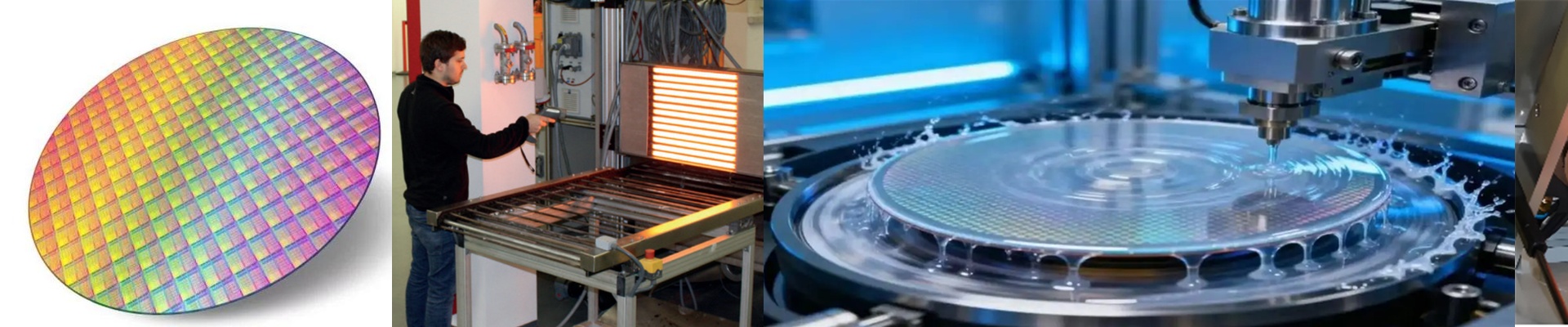

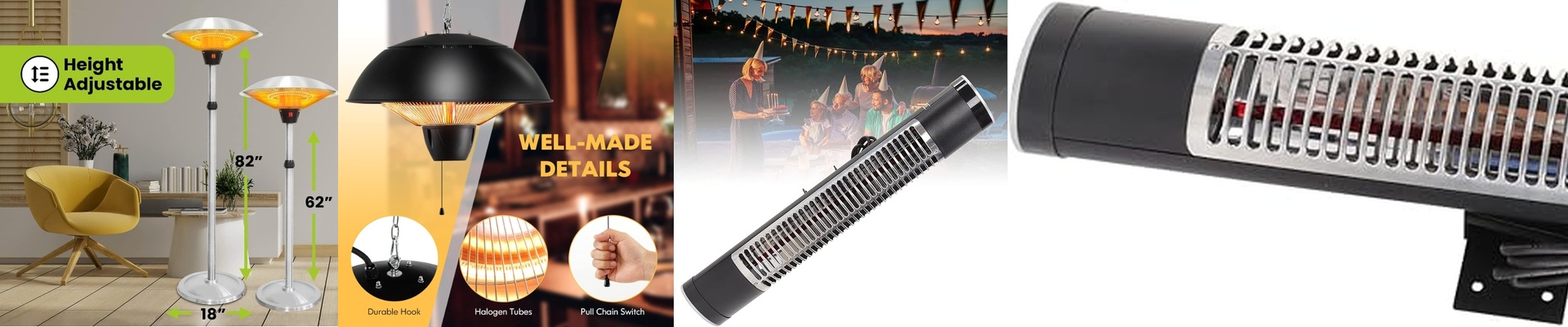
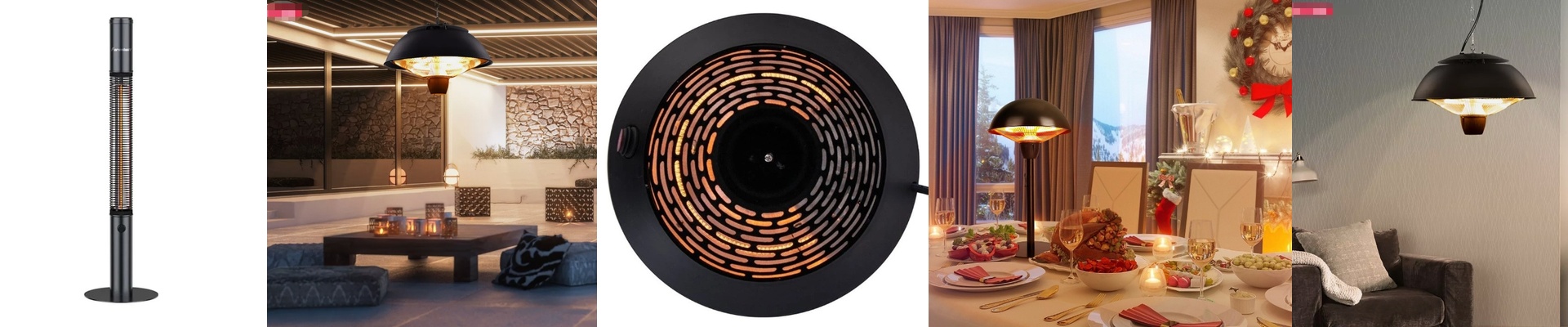
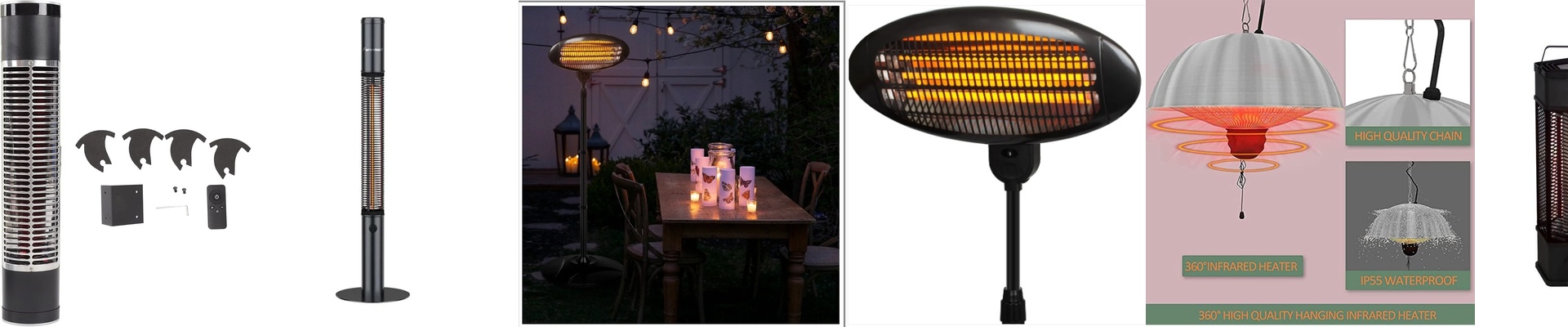
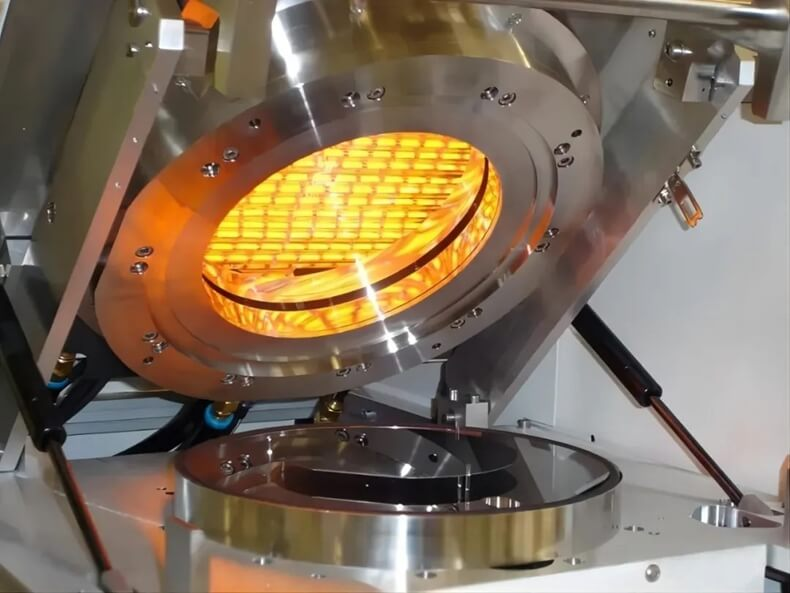
On the fab floor, an ion implant or photoresist bake tool has to run 24/7 without drifting. If a single heater element starts underperforming, thermal uniformity slips outside ±0.1°C, and the photoresist profile moves. Next thing you know, you’re staring at yield loss, rework, and unplanned maintenance that cascades across the line.
What matters, technically
Axcelis heater element spares are built for the thermal budget semiconductor processes demand. Quartz or carbon-fiber-based elements heat fast, hold steady, and keep temperature control tight—so soft bake and hard bake profiles stay repeatable. They’re cleanroom-ready for Class 1–100, with zero particle generation and low outgassing. That translates to consistent wafer-level uniformity and predictable critical dimension behavior.
Why this works in the fab
In lithography and resist processing, temperature repeatability is what separates a stable line from constant tuning. These spares hold thermal performance shift after shift, with long life and low drift. You cut unplanned downtime, keep particle counts in spec, and trim energy use by maintaining efficient heat transfer. That shows up directly as stable yield and fewer spare-part swaps during continuous operation.
The practical details
Installation is straightforward, but you have to match the element to the exact tool configuration and connector interface. After replacement, verify calibration and emissivity settings so you keep that ±0.1°C uniformity. Handle everything with cleanroom-compliant protocols to avoid surface contamination. Run it right and the element will hold up in 24/7 production. The real constraint is simple: keep a matched spare on hand for scheduled swaps.