
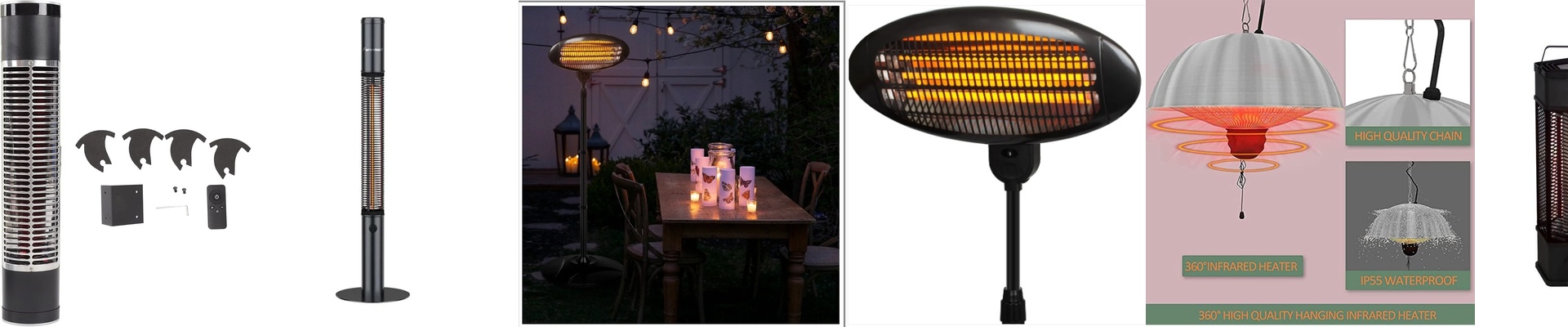

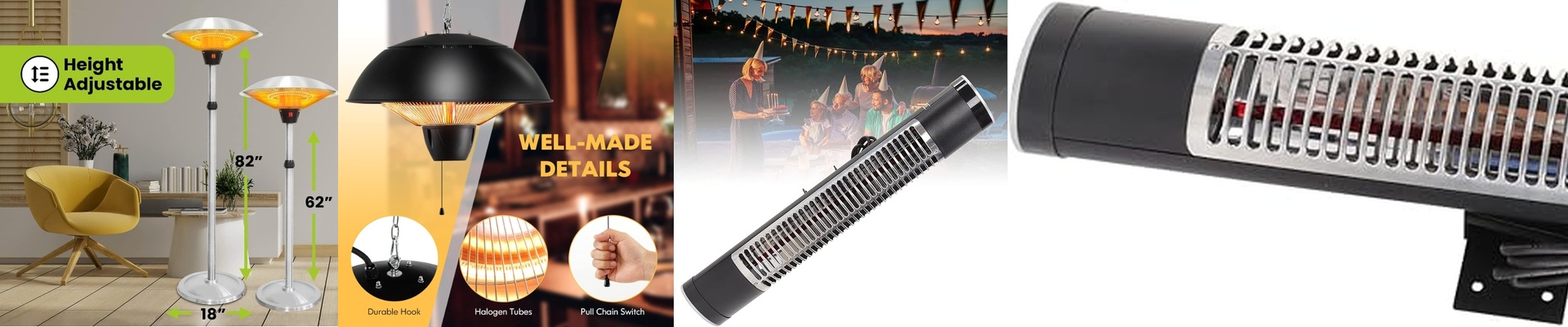
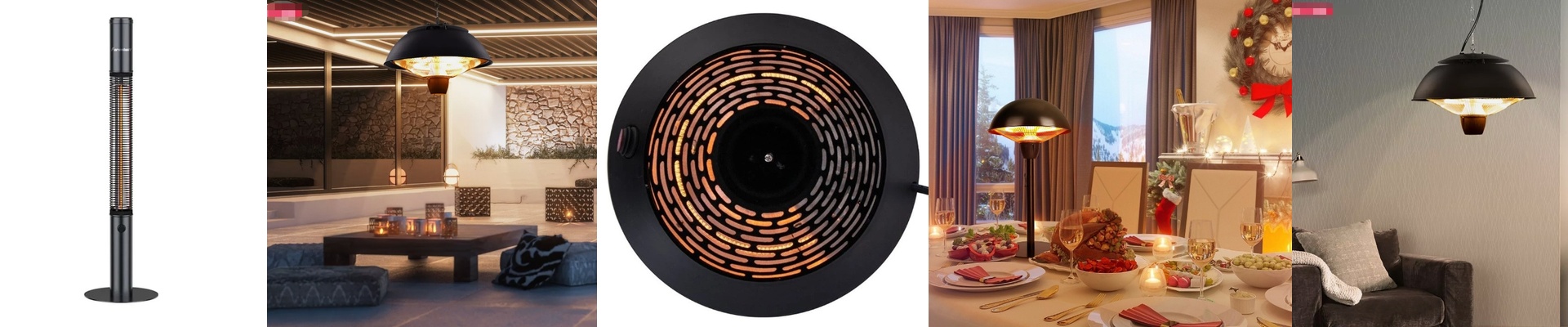

When the temperature drops, a greenhouse is more than just a plant shelter. It’s a fragile system that can hinge on a few degrees. One hard freeze can stall growth, open the door to disease, and wipe out months of work. So we asked a straightforward question: how do we build an infrared heater that doesn’t just warm air, but actually responds to the space it’s in? What we came up with is a smart, adaptive approach to radiant heat that holds conditions steady, even when the weather fights back. What matters under the hood We lean on medium-wave infrared, delivered through a tough quartz emitter. This spectrum cuts through to the plant canopy and warms surfaces directly, instead of heating air that rises and leaks away. The result is consistent, gentle radiant warmth that keeps growth on track. Pair that with a carbon fiber heating element, and you get fast response and long service life, with clean cycling that avoids overshooting. An integrated thermostat reads the room and adjusts output, so you set the target and the heater handles the rest. For reliability, the system is IP54-rated against dust and moisture, and it includes tip-over protection for safety. Why this approach works in a greenhouse Stability is the real win. By delivering infrared warmth where it counts—on leaves, benches, and soil—the environment stays more even. That means fewer temperature swings, less stress on seedlings, and fewer interruptions to the growing cycle. Energy use stays sensible because heat is targeted where it’s needed, and the adaptive control prevents wasteful over-heating. There’s also peace of mind knowing the system is watching, adjusting, and holding steady through cold mornings and sudden cloud cover. The practical details that make it sing Because infrared warms objects, not just air, placement matters. Aim for even coverage over the growing areas, and keep clearances around the unit to maintain airflow and safety. The smart control performs best with a well-placed sensor; if the sensor sits in a draft or direct sun, readings can drift. Plan on a dedicated outlet on a stable circuit, and check local codes for greenhouse electrical requirements. This is a practical system, built for real-world conditions, and it delivers when you install it with a clear plan.