

Introduction
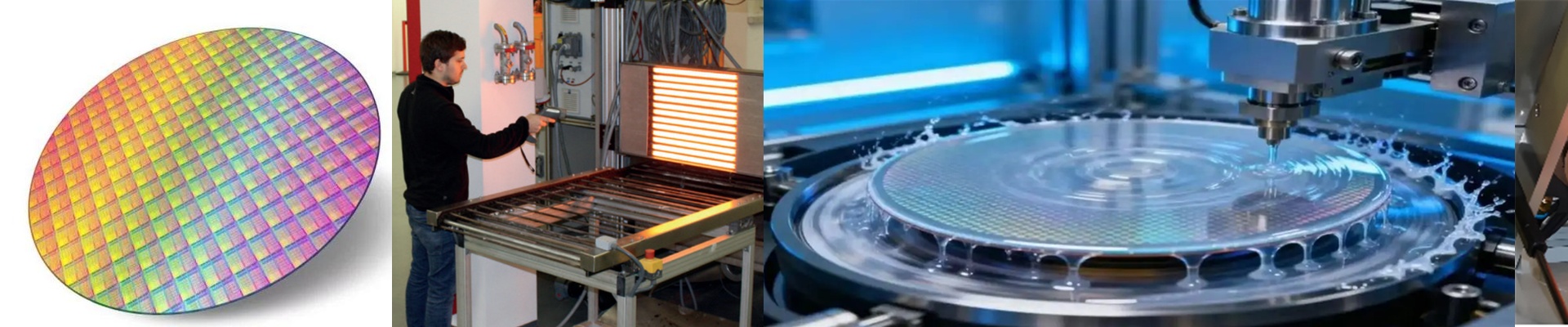
When you’re heating a semiconductor wafer, the thermocouple isn’t just a temperature reader. It’s the quiet partner in a system where every single watt of power needs to turn into focused heat on the wafer. We built this thermocouple to work hand-in-hand with heaters that use gold coating to reflect infrared energy. The whole point? Stop wasting power. Start packing maximum heat right where you need it.
Technical Deep-Dive
Semiconductor heating is all about control, and that control starts at the electrical and thermal interface. The system is built to focus energy efficiently, so the thermocouple has to keep up with the heater’s power profile without lagging or drifting. When you’re planning the install, you need a sensor that can sit close to the radiant zone and still give you rock-solid readings, even when the temperature jumps quickly. That’s why the design keeps things compact and makes sure the thermal connection is solid.
Material & Design
The gold coating isn’t there to look pretty. It’s a reflective layer designed to bounce infrared energy back onto the target, so you get more radiant heat per watt. That means less heat lost from the heater body and a more even temperature across the wafer. The coating also helps the heater stay stable over time, resisting oxidation at high operating temps. And on the electrical side, we use a connector that makes wiring fast and repeatable, even in tight equipment bays. It cuts down install time and keeps field wiring mistakes to a minimum.
Application & Benefits
In semiconductor heating, your process only repeats well if the heat delivery is predictable. With the gold coating reflecting energy and the thermocouple giving you precise feedback, the heater can focus radiant power without overshooting the setpoint. The payoff? Faster stabilization and way less wasted heat spilling into the surroundings. Here’s the trade-off: higher radiant density means your chamber cooling and thermal shielding have to be designed for it. But if you size the cooling to match the load, you get repeatable performance with a sensor package that’s straightforward to service.