


Stopping the Nightmare: How to Keep Your CNT Wafers Clean When Lamps Fail
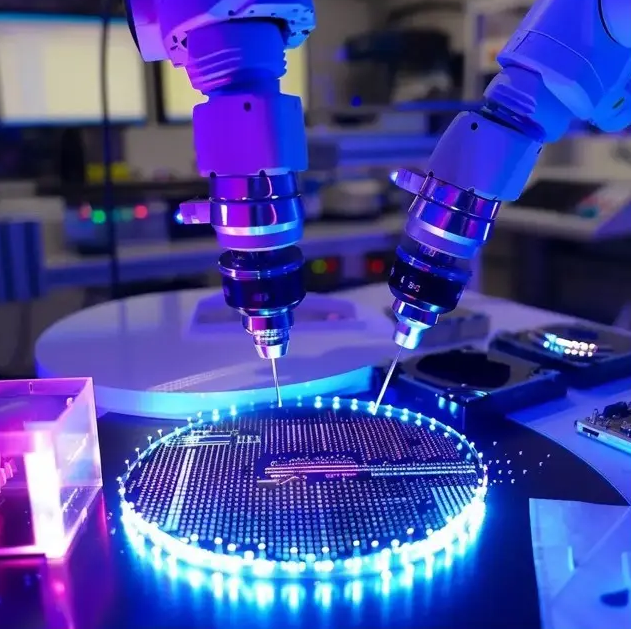
If you’ve ever worked with Carbon Nanotube (CNT) fabrication, you know it’s all about the heat. But there’s a scary side to that precision. When you’re pushing high-load production, there is always that nagging fear: what happens if an infrared lamp bursts? It’s a mess. A shattered quartz tube sends glass shards and metal bits raining down directly onto your wafer. Just like that, your yield is gone. It’s not just a failure; it’s a total wipeout of your hard work. Dealing with the burst We spent a lot of time thinking about why this happens. Usually, it’s just localized hotspots or some mechanical stress at the pinch seal that does the trick. To fight this, we switched to high-purity synthetic quartz. It’s tougher. It can handle the shock of rapid thermal cycling without just giving up and cracking. But we didn’t stop there. Even the best quartz can break. So, we added a protective quartz shield—basically a containment sleeve. Think of it as a safety net. If a lamp pops, the sleeve catches everything. The debris stays trapped, and your wafers stay pristine. You can breathe a bit easier. Heat, stress, and the “hidden” danger High-wattage lamps are great for growth, but they’re brutal on the filaments. To keep things stable, we make sure the voltage stays steady. No spikes, no surprises. But here is the thing: you’ve got to keep an eye on your cooling. Our safety design stops the glass from hitting the wafer, but all that radiant flux still hammers the surrounding chamber. If your fans or water jackets aren’t up to the task, that ambient heat will slowly eat away at your lamp seals. It’s a slow burn, but it’ll get you eventually. Making life easier When a tube finally does go, you don’t want to spend all day fixing it. We used standardized connectors so you can just swap the failed lamp and get back to work. No need to tear down the whole heating array. This is a big deal because the less time your chamber stays open, the fewer airborne particles can drift onto your substrate. Keep your seals tight, keep the coolant flowing, and your quartz will last a whole lot longer.