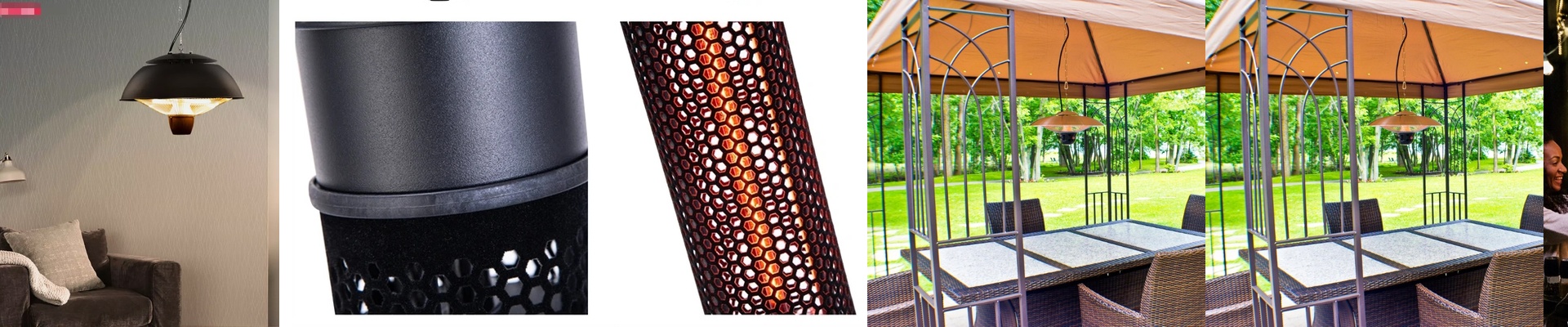
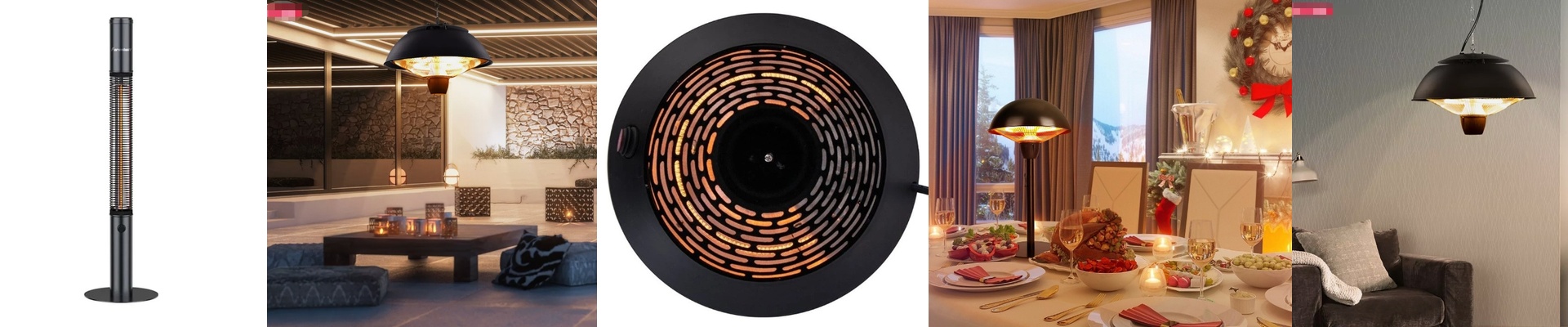
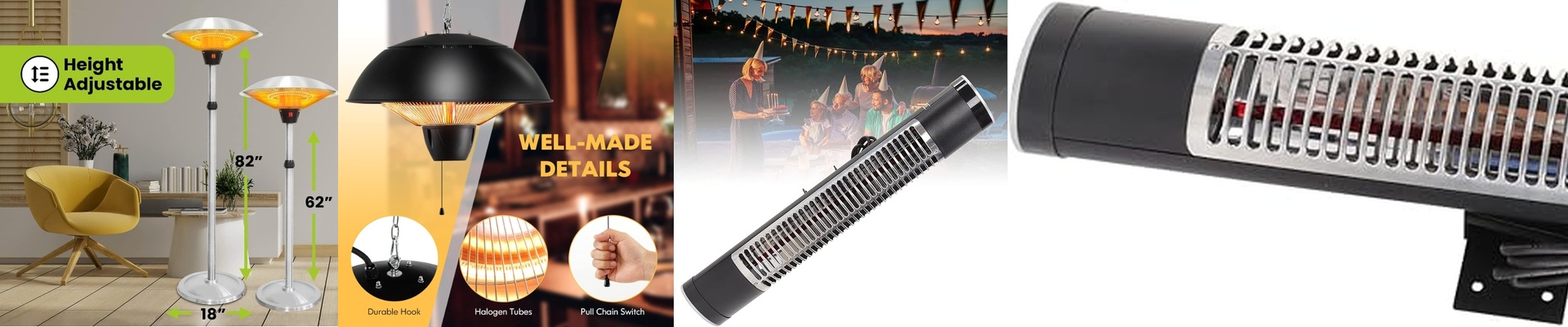

The first real cold snap hits, and you see it immediately—the empty tables near the door and along the windows. Guests pick warmth over the view, and service slows while staff pick their way down chilly aisles. The right indoor heating upgrade does more than bump the temperature. It changes where people sit—and how fast you can turn a table.
What matters under the hood
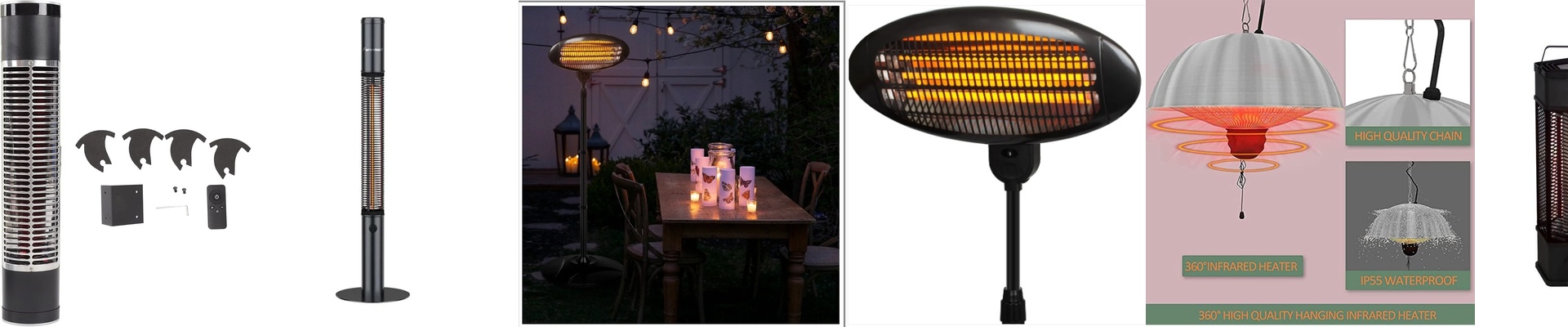
We build our restaurant infrared heaters around short-wave quartz elements that put out radiant heat. That means people and surfaces warm directly, not the air around them. You feel comfort within seconds, even when you’re close to a drafty entrance. Units run on standard 120V or 240V circuits, with power options that fit tight entryways and bigger dining areas. A built-in thermostat keeps output steady, and the housing is tough, with an IP rating that holds up to kitchen humidity and day-to-day cleaning. Safety is baked in—tip-over protection and cool-touch exteriors so staff can work safely around units that are actively running.
Why this works in a dining room
Winter indoor dining bleeds money two ways: seats you can’t use and longer gaps between seatings. Infrared warmth keeps those perimeter tables in play, so you seat more guests without herding everyone into the center. Because the heat is immediate, customers settle in faster, order sooner, and finish comfortably—table turnover improves. Staff notice the difference, too. Warm service stations mean fewer trips for hot drinks, fewer delays, and a calmer workflow when things are peaking. And since the heaters warm objects and people directly, you get targeted comfort without overheating the whole room or running up the energy bill.
The practical stuff
Infrared heat does its best work when it has a clear line of sight to the people you want to warm. Plan for even spacing along entry paths and window lines, and don’t mount units where the beam gets blocked by high partitions or heavy equipment. Most units plug into standard outlets, but the higher-output models may need a dedicated circuit—check your space’s electrical capacity before you lock in placement. Also, radiant heat feels great, but it’s not a replacement for proper HVAC. Pair it with your existing system for balanced comfort.