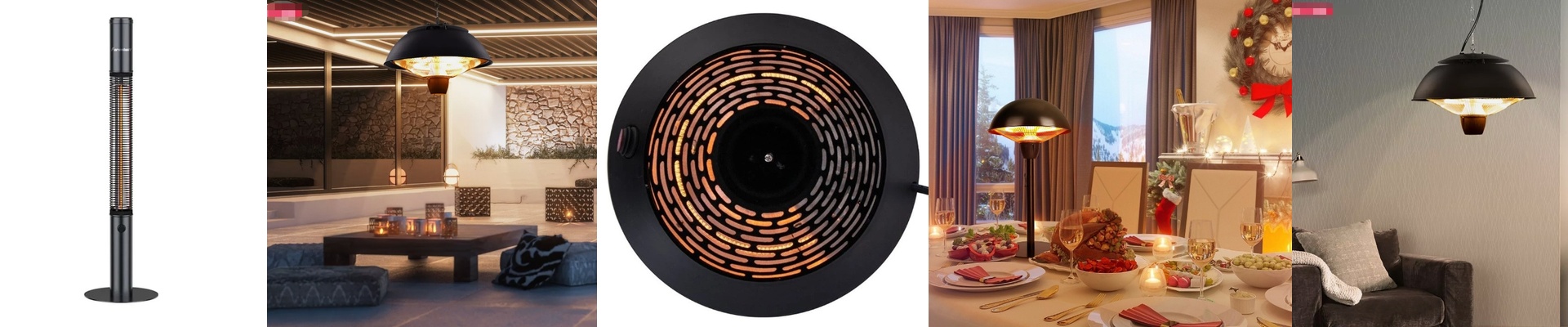
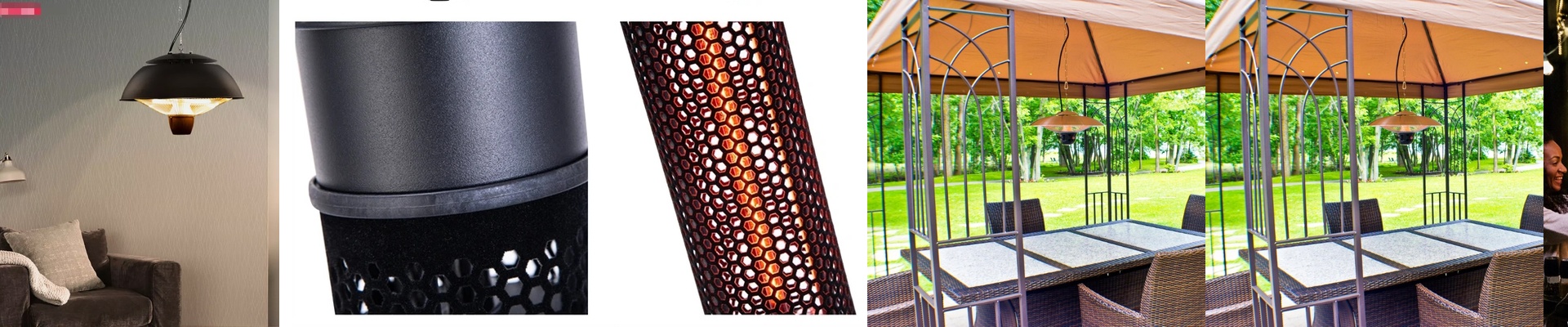
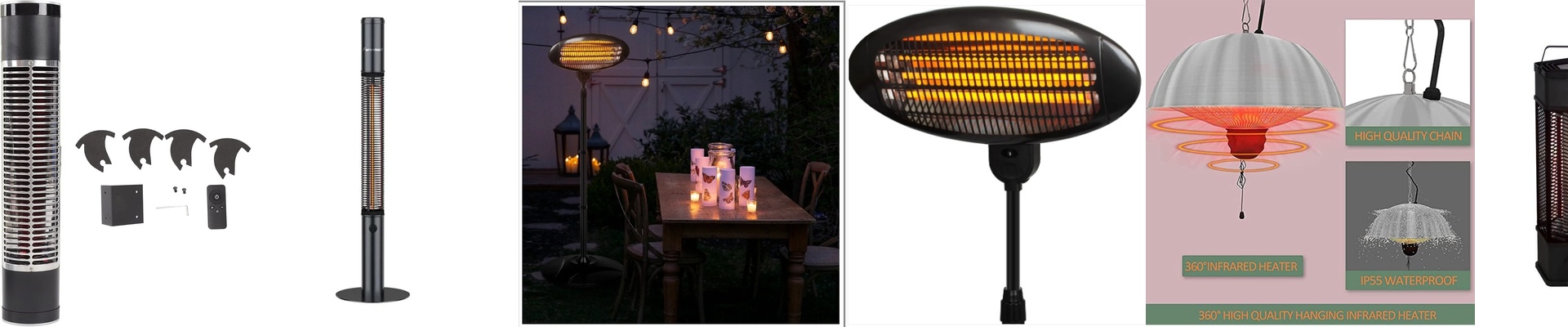
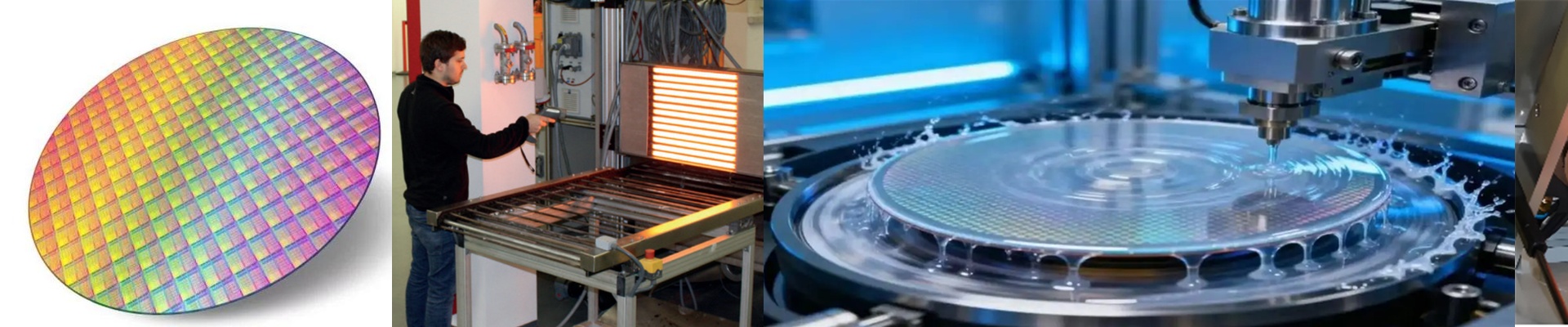
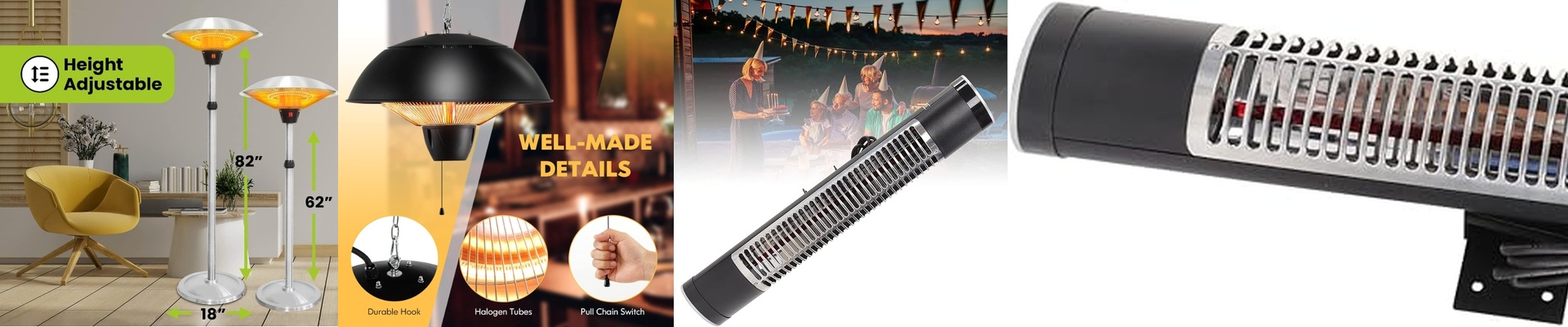
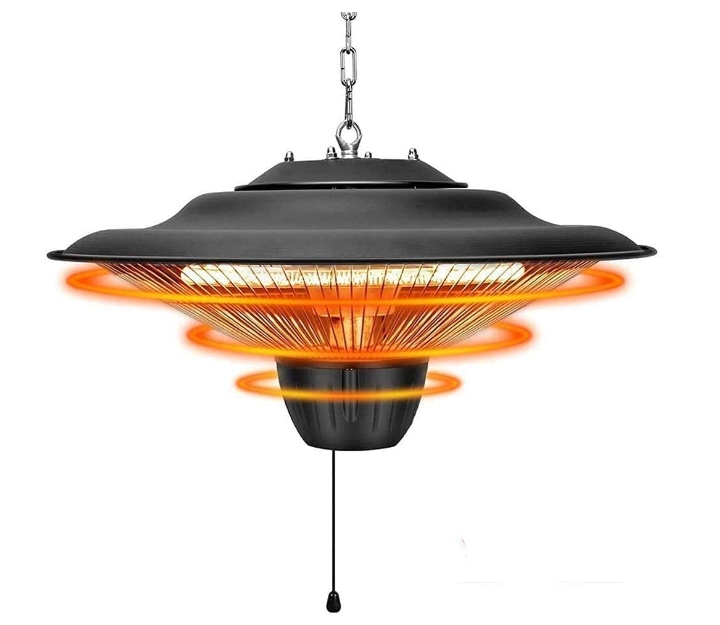
Cold does more than make people uncomfortable. It hits your bottom line. Watch a barista trying to work with numb fingers at the espresso machine, or travelers huddled on a platform—those moments tell you the heat you’re using isn’t doing its job. The wrong kind of heat—slow, drafty, noisy—doesn’t just fail to warm. It slows service, dulls the experience, and quietly eats into operating costs. Infrared heaters were built to fix that: warmth where people are, the second they need it.
What actually matters, technically
Infrared is direct, radiant heat—sunlight without the glare. It warms people and surfaces in its path, not the air around them. That’s the point. Air systems fight drafts, waste energy heating ceilings, and lag behind demand. Infrared responds immediately. We build our commercial infrared heaters around proven emitters: quartz tubes and carbon fiber elements. Quartz tubes deliver solid output with a focused heat pattern. Carbon fiber runs cooler at the surface and gives you broader, even coverage—handy where people are close by. The specs translate straight to comfort and control:
- Power and coverage: Units run from 1.5 kW to 5 kW. In practice, a 2 kW heater can cover roughly 15–20 square meters in an open indoor space, depending on ceiling height, insulation, and air movement.
- Voltage and wiring: You can spec 230 V with hardwired connections for commercial reliability. Plug-in options exist for lighter-duty spots, but fixed wiring is the default for high-use areas.
- Controls: Built-in thermostats hold the space at the set temperature. Many units also offer multiple heat settings, so you can match output to occupancy and the weather.
- Safety and durability: Tip-over protection shuts the unit off if it gets knocked. Overheat protection keeps temperatures from running away. Housings are built for high-traffic environments, and protective grilles keep the element safe from bumps.
- IP rating: For semi-exposed spots—under a sheltered platform, near an open café doorway—spec IP24 or higher to handle water splashes and dust. Fully sheltered indoor areas are fine with standard ratings. Infrared feels natural because it heats bodies and objects, not just air. You feel it as a directional warmth that arrives fast and stays steady.
Why this works in commercial and transit spaces
These places share the same headache: people come and go, doors swing open, and the building envelope is tough to control. Traditional heaters try to warm air that escapes the moment a door opens. Infrared sidesteps that problem. From coffee bars to train stations, the gains show up fast:
- Comfort on demand: A barista steps back from the counter and feels warmth right away. Travelers waiting for a connection stop shivering and settle in. Radiant heat delivers that “already warm” feeling without waiting for the room to turn over.
- Control where it counts: Heat goes where people stand, sit, and wait. No wasted energy on empty corners or the ceiling. In practice, you keep waiting areas comfortable without overheating circulation zones.
- Energy use that matches real life: Because infrared heats people and surfaces, it’s efficient in spaces with intermittent use. When occupancy drops, you can dial back or switch off, and the space cools quickly. Air heating tends to hold warmth in ductwork and empty rooms.
- Quiet operation: No fan noise competing with announcements or conversation. The heater delivers warmth, and the room feels calmer.
- Reliability under pressure: Stations and cafés run all day. Infrared heaters use simple, tough elements and straightforward controls. Fewer moving parts means fewer service calls, and that keeps operations moving. And it matters beyond the specs. A warm waiting area is a small act of care that makes transit more humane. A café that feels welcoming keeps customers seated longer. Warmth becomes part of the service, not an afterthought.
The practical stuff you need to get right
Infrared is straightforward, but the installation details matter.
- Placement is half the job: Mount the heater 2–3 meters above the main occupancy zone, angled to cover seating or waiting lines. Too low and people feel heat on their heads. Too high and the beam spreads thin.
- Line of sight is the rule: Radiant heat travels straight. Walls, beams, and signage can cast “shadows” where warmth drops off. Plan coverage so the heat lands on people, not just floor space.
- Power and circuits: Commercial units are often hardwired. Make sure the circuit and protection match the heater’s current draw, and that the wiring meets local codes. Plug-ins are convenient, but reserve them for lighter loads and protected outlets.
- Environment matters: In fully exposed outdoor spots, infrared still warms people directly, but wind strips warmth away faster. For sheltered platforms or semi-outdoor cafés, choose an IP-rated heater and consider wind-breaking screens or partial enclosures to improve comfort.
- One honest trade-off: Infrared heats people and objects, not the air. In very drafty areas, the surrounding air can still feel cool. You get localized comfort—perfect for waiting lines and seating—but it won’t warm the whole building envelope. For open, drafty halls, pair infrared with targeted air heating in transition zones. Warmth should feel effortless. With the right infrared heater, it does—immediate, directional comfort that keeps people comfortable, keeps service moving, and keeps energy use aligned with how the space is actually used.
ความเย็นไม่ได้ทำให้คนรู้สึกไม่สบายเพียงอย่างเดียว แต่ยังส่งผลต่อผลประกอบการทางธุรกิจด้วย สังเกตบาริสต้าที่พยายามทำงานด้วยนิ้วมือชาอยู่ที่เครื่องชงเอสเปรสโซ หรือผู้โดยสารที่ยืนนั่งรวมกลุ่มบนชานชาลา—ช่วงเวลานั้นบอกได้ว่าระบบความร้อนที่ใช้อยู่ไม่ทำงานอย่างมีประสิทธิภาพ ความร้อนที่ไม่เหมาะสม เช่น ความร้อนช้า มีลมพัดผ่าน หรือมีเสียงดัง ไม่เพียงแต่ทำให้ไม่อบอุ่น แต่ยังชะลอการให้บริการ ทำให้ประสบการณ์ลดลง และเพิ่มต้นทุนการดำเนินงานอย่างเงียบ ๆ เครื่องทำความร้อนอินฟราเรดถูกออกแบบมาเพื่อแก้ปัญหานี้ คือให้ความอบอุ่นตรงจุดที่คนอยู่ทันทีที่ต้องการ
ปัจจัยที่สำคัญทางเทคนิคจริงๆ
อินฟราเรดเป็นความร้อนแผ่รังสีโดยตรง—เหมือนแสงอาทิตย์ที่ไม่มีแสงจ้ารบกวน มันให้ความอบอุ่นกับร่างกายและพื้นผิวที่อยู่ในเส้นทาง ไม่ใช่การให้ความร้อนกับอากาศโดยรอบ นี่คือจุดสำคัญ ระบบทำความร้อนด้วยอากาศต้องต่อสู้กับลมที่พัดผ่าน เสียพลังงานกับการทำความร้อนเพดาน และตอบสนองช้าเมื่อมีความต้องการ อินฟราเรดตอบสนองทันที เครื่องทำความร้อนอินฟราเรดเชิงพาณิชย์ของเราสร้างขึ้นจากตัวปล่อยความร้อนที่ผ่านการพิสูจน์แล้ว: หลอดควอตซ์และองค์ประกอบคาร์บอนไฟเบอร์ หลอดควอตซ์ให้พลังงานความร้อนที่มั่นคงพร้อมรูปแบบความร้อนที่เน้นจุด ส่วนคาร์บอนไฟเบอร์มีอุณหภูมิพื้นผิวที่ต่ำกว่าและให้ความครอบคลุมที่กว้างและสม่ำเสมอ เหมาะสำหรับพื้นที่ที่คนอยู่ใกล้เคียง ข้อมูลจำเพาะตรงไปตรงมาสู่ความสบายและการควบคุม:
- กำลังไฟและพื้นที่ครอบคลุม: เครื่องมีตั้งแต่ 1.5 kW ถึง 5 kW ในทางปฏิบัติ เครื่องทำความร้อน 2 kW สามารถครอบคลุมพื้นที่ประมาณ 15–20 ตารางเมตรในพื้นที่ภายในอาคารที่เปิดโล่ง ขึ้นอยู่กับความสูงเพดาน การกันความร้อน และการเคลื่อนที่ของอากาศ
- แรงดันไฟฟ้าและการเดินสาย: สามารถเลือกใช้แรงดัน 230 V พร้อมการเดินสายแบบถาวรเพื่อความน่าเชื่อถือในเชิงพาณิชย์ มีตัวเลือกแบบเสียบปลั๊กสำหรับจุดที่ใช้งานเบา แต่การเดินสายแบบถาวรเป็นค่าเริ่มต้นสำหรับพื้นที่ใช้งานหนัก
- การควบคุม: เทอร์โมสตัทในตัวช่วยรักษาอุณหภูมิในพื้นที่ตามที่ตั้งไว้ หลายรุ่นมีการตั้งค่าความร้อนหลายระดับเพื่อให้สามารถปรับตามจำนวนผู้ใช้งานและสภาพอากาศได้
- ความปลอดภัยและความทนทาน: ระบบป้องกันการล้มจะตัดไฟเครื่องเมื่อเครื่องถูกชน ระบบป้องกันความร้อนเกินช่วยรักษาอุณหภูมิไม่ให้สูงเกินไป ตัวเครื่องออกแบบสำหรับสภาพแวดล้อมที่มีการสัญจรสูง และมีตะแกรงป้องกันป้องกันองค์ประกอบความร้อนจากการกระแทก
- มาตรฐาน IP: สำหรับจุดที่กึ่งเปิดโล่ง เช่น ใต้ชานชาลาที่มีหลังคากันสาด หรือใกล้ประตูทางเข้าคาเฟ่ที่เปิดโล่ง แนะนำค่า IP24 ขึ้นไปเพื่อรับมือกับน้ำกระเซ็นและฝุ่นละออง พื้นที่ภายในอาคารที่ปิดสนิทสามารถใช้มาตรฐานทั่วไปได้ อินฟราเรดให้ความรู้สึกเป็นธรรมชาติเนื่องจากให้ความร้อนกับร่างกายและวัตถุ ไม่ใช่แค่อากาศ คุณจะรู้สึกถึงความอบอุ่นที่มีทิศทาง มาถึงเร็วและคงที่
เหตุผลที่ระบบนี้เหมาะกับพื้นที่เชิงพาณิชย์และขนส่งสาธารณะ
สถานที่เหล่านี้มีปัญหาเหมือนกันคือคนเข้าออกประตูเปิดปิดตลอดเวลา และโครงสร้างอาคารควบคุมได้ยาก เครื่องทำความร้อนแบบเดิมพยายามทำความร้อนให้อากาศซึ่งจะหนีออกไปทันทีเมื่อประตูเปิด อินฟราเรดเลี่ยงปัญหานี้ได้ ตั้งแต่ร้านกาแฟจนถึงสถานีรถไฟ ผลลัพธ์จะเห็นได้อย่างรวดเร็ว:
- ความสบายตามต้องการ: บาริสต้าถอยออกจากเคาน์เตอร์แล้วรู้สึกอบอุ่นทันที ผู้โดยสารรอเปลี่ยนต่อหยุดสั่นและรู้สึกผ่อนคลาย ความร้อนแผ่รังสีให้ความรู้สึก “อบอุ่นแล้ว” โดยไม่ต้องรอให้ห้องอุ่นขึ้น
- การควบคุมในจุดที่สำคัญ: ความร้อนไปยังที่ที่คนยืน นั่ง และรอ ไม่มีการเสียพลังงานในมุมว่างหรือเพดาน ในทางปฏิบัติจะทำให้พื้นที่รอคอยสบายโดยไม่ทำให้อากาศหมุนเวียนร้อนเกินไป
- การใช้พลังงานที่สอดคล้องกับการใช้งานจริง: เนื่องจากอินฟราเรดให้ความร้อนกับคนและพื้นผิวโดยตรง จึงมีประสิทธิภาพในพื้นที่ที่ใช้งานเป็นช่วงๆ เมื่อมีผู้ใช้น้อยลง สามารถลดกำลังหรือปิดเครื่องได้ และพื้นที่จะเย็นลงอย่างรวดเร็ว เครื่องทำความร้อนอากาศมักจะเก็บความร้อนไว้ในท่อและห้องว่าง
- การทำงานที่เงียบ: ไม่มีเสียงพัดลมรบกวนการประกาศหรือการสนทนา เครื่องทำความร้อนส่งความอบอุ่นและทำให้ห้องรู้สึกสงบ
- ความน่าเชื่อถือในสภาวะใช้งานหนัก: สถานีและร้านกาแฟเปิดทำงานตลอดวัน เครื่องทำความร้อนอินฟราเรดใช้ส่วนประกอบที่เรียบง่ายและทนทาน พร้อมการควบคุมที่ตรงไปตรงมา ชิ้นส่วนเคลื่อนไหวน้อยลงหมายถึงการเรียกบริการซ่อมแซมน้อยลง และช่วยให้การดำเนินงานไม่สะดุด และสิ่งนี้มีความสำคัญเกินกว่าข้อมูลจำเพาะ พื้นที่รออบอุ่นเป็นการดูแลเล็กๆ ที่ทำให้การขนส่งสาธารณะมีความเป็นมนุษย์มากขึ้น คาเฟ่ที่ให้ความรู้สึกต้อนรับทำให้ลูกค้าอยู่นานขึ้น ความอบอุ่นจึงเป็นส่วนหนึ่งของการบริการ ไม่ใช่แค่สิ่งที่คิดทีหลัง
สิ่งที่ต้องทำให้ถูกต้องในทางปฏิบัติ
อินฟราเรดใช้งานง่าย แต่รายละเอียดการติดตั้งสำคัญมาก
- ตำแหน่งติดตั้งเป็นครึ่งหนึ่งของงาน: ติดตั้งเครื่องทำความร้อนให้สูง 2–3 เมตรเหนือโซนที่คนอยู่หลัก โดยเอียงให้ครอบคลุมที่นั่งหรือแถวรอ ต่ำเกินไปคนจะรู้สึกความร้อนที่ศีรษะ สูงเกินไปลำแสงจะกระจายบาง
- เส้นสายตาต้องชัดเจน: ความร้อนแผ่รังสีเดินทางตรง กำแพง คาน และป้ายสามารถสร้าง “เงา” ที่ทำให้ความอบอุ่นลดลง วางแผนครอบคลุมให้ความร้อนตกบนคน ไม่ใช่แค่พื้น
- กำลังไฟและวงจรไฟฟ้า: เครื่องเชิงพาณิชย์มักเดินสายถาวร ตรวจสอบให้วงจรและระบบป้องกันรองรับกระแสไฟของเครื่อง และสายไฟต้องเป็นไปตามมาตรฐานท้องถิ่น ปลั๊กเสียบสะดวก แต่ควรสงวนไว้สำหรับโหลดเบาและปลั๊กที่ได้รับการป้องกัน
- สภาพแวดล้อมสำคัญ: ในจุดที่เปิดโล่งเต็มที่ อินฟราเรดยังคงให้ความร้อนกับคนโดยตรง แต่ลมจะพัดความร้อนออกไปเร็วกว่า สำหรับชานชาลาที่มีหลังคาหรือคาเฟ่กึ่งเปิดโล่ง ควรเลือกเครื่องทำความร้อนที่มีมาตรฐาน IP และพิจารณาติดตั้งแผงกันลมหรือส่วนกั้นบางส่วนเพื่อเพิ่มความสบาย
- ข้อแลกเปลี่ยนอย่างตรงไปตรงมา: อินฟราเรดให้ความร้อนกับคนและวัตถุ ไม่ใช่อากาศ ในพื้นที่ที่มีลมพัดแรง อากาศโดยรอบยังรู้สึกเย็น คุณจะได้ความสบายเฉพาะจุด เหมาะสำหรับแถวรอและที่นั่ง แต่จะไม่อุ่นทั้งโครงสร้างอาคาร สำหรับโถงเปิดที่ลมผ่านบ่อย ให้ใช้คู่กับระบบทำความร้อนด้วยอากาศเฉพาะจุดบริเวณโซนเปลี่ยนผ่าน ความอบอุ่นควรรู้สึกเป็นธรรมชาติ ด้วยเครื่องทำความร้อนอินฟราเรดที่เหมาะสม คุณจะได้ความสบายทันที มีทิศทางที่ชัดเจน ช่วยให้คนสบาย บริการไม่สะดุด และการใช้พลังงานสอดคล้องกับการใช้งานจริงของพื้นที่นั้นๆ