


Stop fighting the draft: How infrared heat actually works
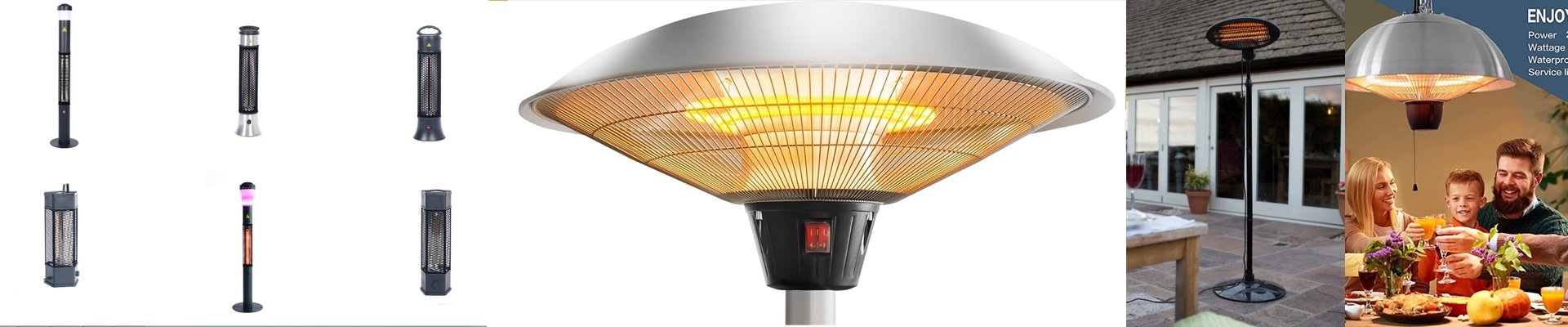
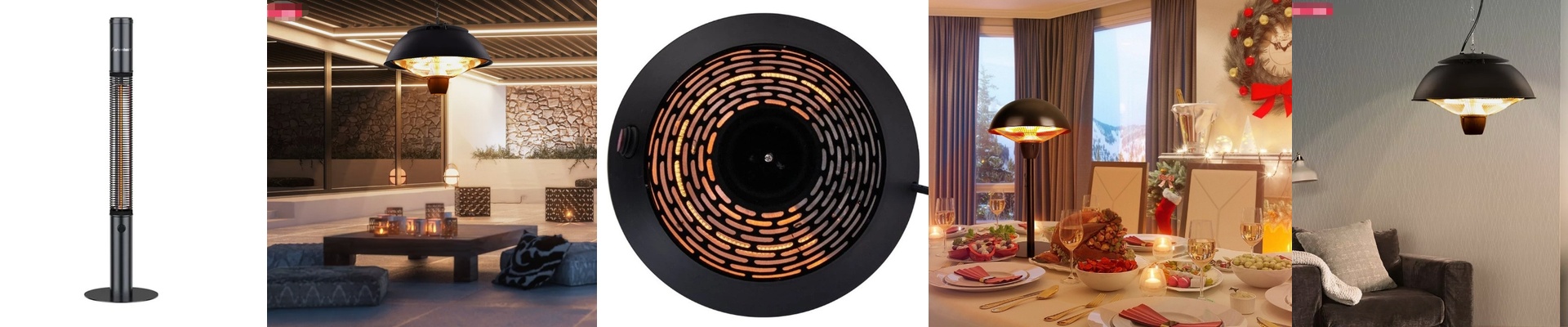
Ever tried to heat a big, open changing area with standard heaters? It’s a losing battle. The warm air just floats up to the ceiling while you’re standing there shivering. We stopped trying to heat the air. Instead, we use short-wave infrared emitters. Think of it like the sun hitting your skin on a cold day. It doesn’t wait for the breeze to die down; it just warms you up instantly. No waiting for a boiler to kick in. You just feel it. The magic of instant warmth We use quartz-halogen elements because they get hot the second you flip the switch. Because it’s short-wave radiation, the heat actually sinks in deeper. This is a lifesaver for those drafty rooms with massive ceilings. You don’t have to “pre-heat” the space hours before people arrive. You turn it on, and the warmth is there. Right now. The gear and the setup These things are built for the trenches. Changing areas are usually humid, and steam eats metal for breakfast. That’s why we use corrosion-resistant coatings—so you don’t have to deal with rust streaks on your walls. Wiring is a breeze, too. Standard high-temp leads mean you can hook them up to a simple timer or a motion sensor. Set it and forget it. One quick heads-up: these lamps put out a lot of concentrated heat. If you mount them too low or too close to synthetic fabrics, you’re going to scorch things. Just make sure you check the wattage and give the units some breathing room. A few things to watch out for Here’s the trade-off: that instant “five-star” warmth needs a steady diet of power. If you plug these into a circuit that’s already struggling with heavy machinery or big pumps, you’ll get voltage drops. That makes the lamps flicker or, worse, burns out the filaments way too early. The best move? Give them their own dedicated lines. It keeps the power steady and keeps the heat consistent.