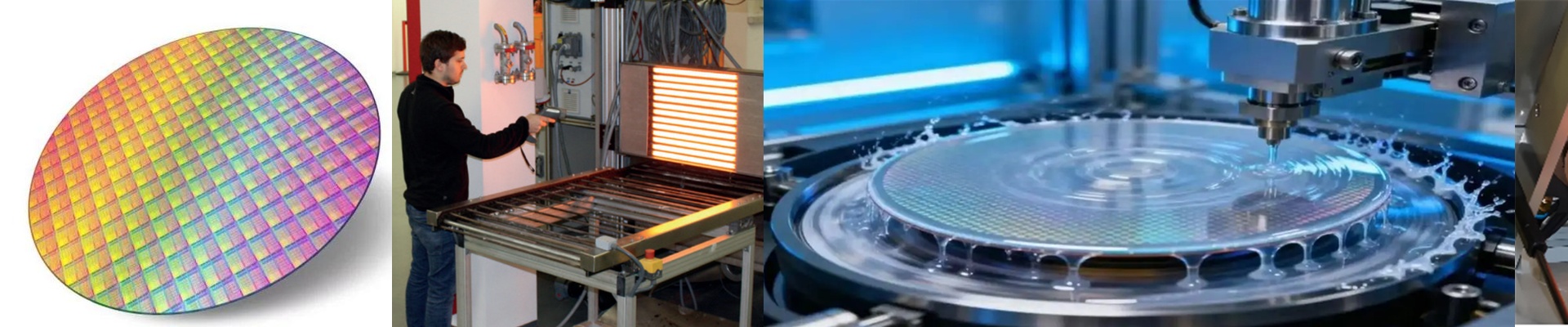


Stop Fighting the Draft: Why Ceiling IR Heaters Actually Work
Ever tried to warm up a drafty changing room with a standard heater? It’s a losing battle. You’re basically trying to heat the air, but in a big open space, that warm air just floats up to the ceiling or vanishes out the door the second someone walks in. It’s frustrating and a waste of money. That’s why we go with ceiling-mounted infrared (IR) heaters. Instead of messing with the air, these things go straight for the target. They send energy directly to the solid stuff—the people, the benches, the floors.
Heat that hits you instantly
Here is the cool part: we use short-wave or medium-wave emissions. If you’ve ever waited hours for a boiler to kick in, you know the pain. IR is different. It’s almost instant. The heat moves at the speed of light. The second someone walks into a freezing locker room, the waves hit their skin and clothes, turning into warmth on contact. You don’t have to crank the thermostat up ten degrees just to stop people from shivering. You just feel warm. Period.
Getting the setup right
Since these go on the ceiling, you’ve got to be smart about where they hang to get the best coverage. It’s a balancing act. Hang them too low, and you’ll have “hot spots” where people feel like they’re standing too close to a campfire. Too high, and the heat just doesn’t hit with enough punch. We usually suggest a wide-angle reflector so the warmth spreads evenly across the floor. But a quick heads-up on the power side of things. High-wattage IR arrays pull a lot of current. If you’re plugging in a dozen 2kW units, make sure your electrical panels can handle that surge without tripping. And remember, IR doesn’t go through walls. If you’ve got a massive open doorway leading to a cold hallway, you’re going to lose some efficiency. The trick is to zone your heaters exactly where people are actually standing and moving. Focus the heat where it matters.