

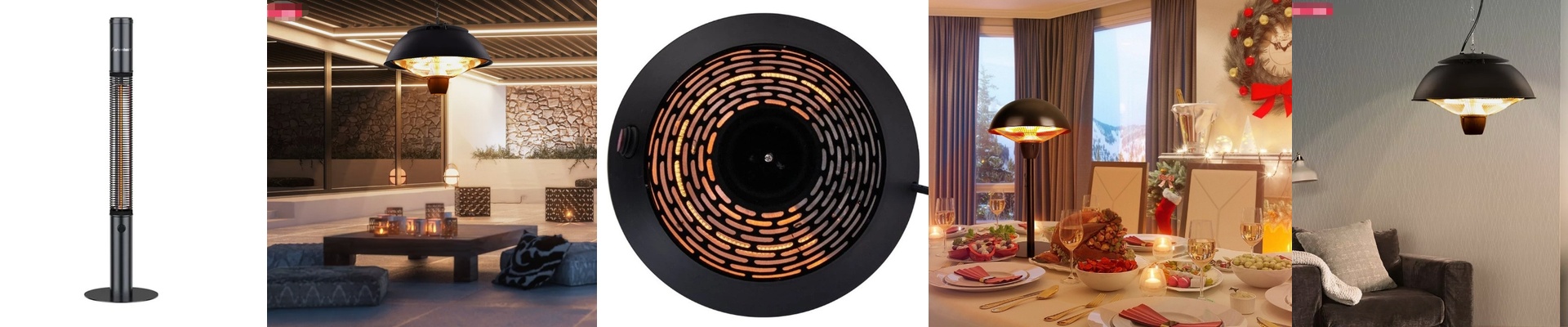


If you’re putting recessed infrared heaters in a spot that gets steamy or sees a bit of splashing, you’ve probably noticed that the heating element isn’t usually what gives out first. It’s actually the electrical connections and the housing that take the hit. Dealing with the damp Here’s the thing: in a standard ceiling setup, condensation loves to cling to cold metal. If you don’t have a solid barrier against that fog and spray, the moisture just wanders right into your wiring. That’s why we use specific seals and gaskets on our units. We basically wrap the internals in a protective shell to keep them dry. It stops those annoying short circuits and the kind of corrosion that usually kills a heater the moment the humidity spikes. Heat and water don’t mix We’ve all seen it—a drop of water hits a red-hot emitter and crack. The quartz glass just can’t handle that kind of sudden temperature shock. To fix that, we added a protective shield. It keeps the liquid away from the glass but lets the heat blast right through. Plus, we use powder-coated aluminum for the housing so you don’t have to worry about rust eating away at your ceiling. One quick tip: since these seals are so good at keeping water out, they can also trap heat. Just make sure you leave a bit of breathing room in the ceiling void. Your wiring will thank you. The long game At the end of the day, a sealed unit just lasts longer. You aren’t spending your weekend replacing crusty, oxidized connectors every couple of years. Because we keep the fog and spray out, the electrical resistance stays steady. You get the same level of warmth on day one as you do in year five. Sure, the installation takes a tiny bit more effort, but it beats having your heater die the first time the room gets humid.