

Stop the Shrapnel: Keeping Your Wafers Clean When Using High-Load IR Lamps
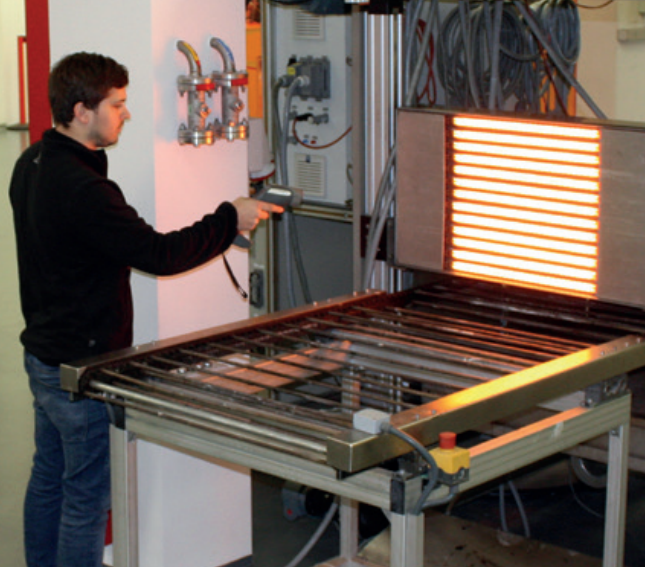
Let’s be honest: when an IR lamp pops in a semiconductor fab, it’s a nightmare. It isn’t just about the machine stopping. It’s the mess. You’ve got glass shards and evaporated tungsten raining down on your wafers. One burst tube can scrap an entire batch in seconds. Not exactly how you want to spend your Tuesday. Dealing with the heat We build our gold-reflector lamps to survive the brutal cycling that wafer heating demands. Most lamps give out at the seal-off—right where the electrodes hit the quartz. To stop that, we use high-purity fused quartz. It just holds up better. It doesn’t warp when things get intense. And that gold reflector? It’s not just for show. It pushes the IR radiation exactly where it needs to go, which means less heat soaking back into the housing. When the lamp housing stays cooler, you don’t get that nasty thermal shock when you crank the power up. Keeping the junk out The goal here is simple: keep the inside in and the outside out. We use a specific sealing process to stop gas leaks and avoid the “burn out” you see in those cheap halogen lamps. But look, accidents happen. If a lamp does go, you want the debris contained. That’s why we always suggest using quartz protective shields. It’s a simple physical wall between your heating element and your expensive wafers. The real-world trade-offs Here’s the thing: if you want high-density IR output, you need high wattage. You get the heat, but your power supply and cooling manifolds are going to feel it. If your cooling air isn’t up to the task of handling that focused gold-reflector beam, the ends of your lamps will degrade way too fast. Oh, and do yourself a favor—use high-temp leads. Nobody wants to deal with melted insulation.