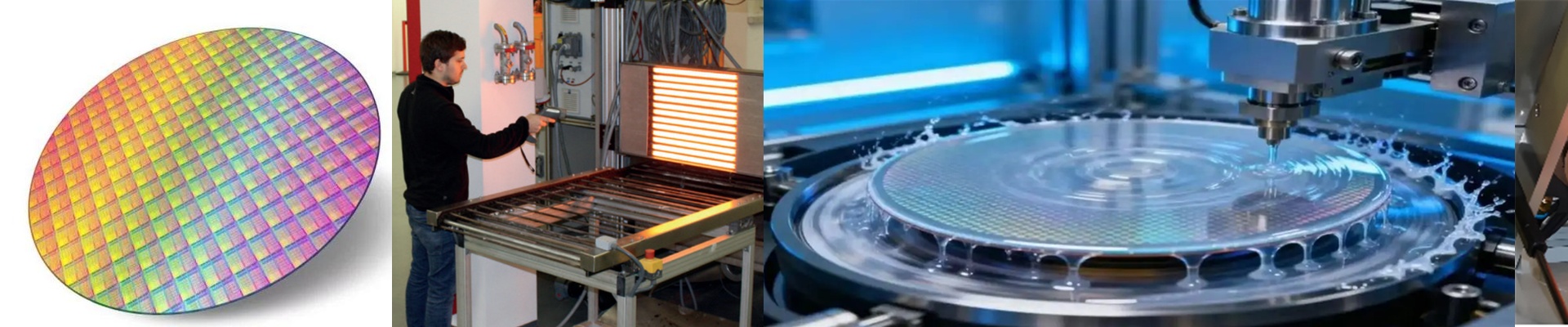
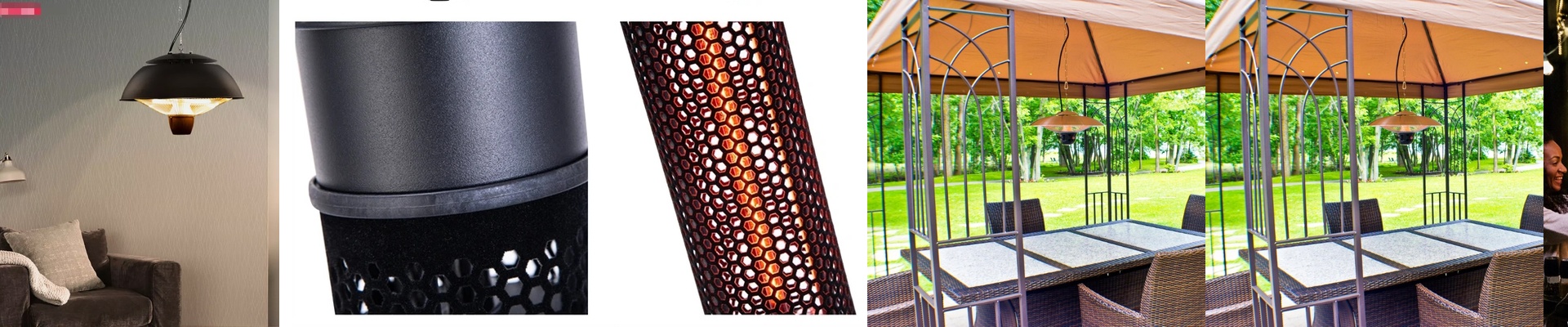
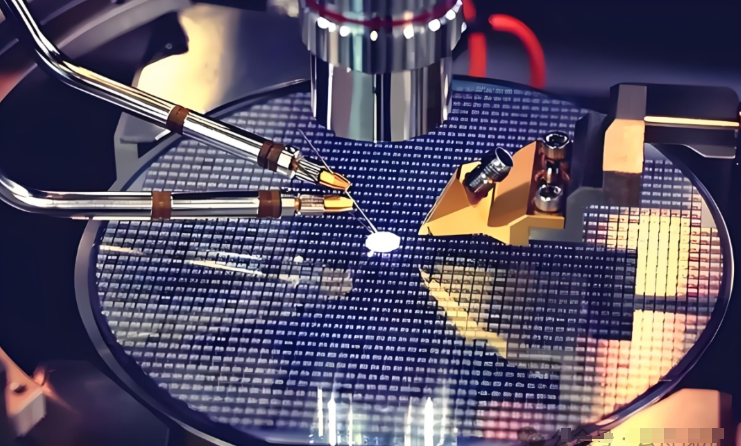
On a 24/7 fab line, an evaporator heating lamp failure doesn’t just knock out one tool. It stalls lithography, throws your thermal budget off, and pushes photoresist bake profiles out of spec. Uptime is measured in minutes, and temperature repeatability is simply not negotiable. What matters under the hood We built the Evatec evaporator heating lamp around short-wave infrared (SWIR) halogen elements. The idea is direct radiative transfer with low thermal inertia—fast ramp-up, tight uniformity, and wafer-level control within ±0.1°C across the bake surface. Cleanroom Class 1–100 compatibility comes from a sealed quartz envelope and a particle-controlled assembly process, so you keep contamination out and yield up. The lamp is rated to run continuously with zero unplanned downtime, delivering 5,000+ hours with less than 5% output drift. Why this lands in soft bake and hard bake With this kind of precision, you get consistent photoresist profiles—fewer reworks, tighter CD control, and line-width behavior you can actually count on. The fast response cuts idle soak time and stabilizes cycle-to-cycle repeatability, which shortens lot-to-lot setup and makes qualification cleaner. You optimize energy use without sacrificing throughput, and fewer lamp swaps mean less spares on the shelf and fewer service interruptions. The install and run details you can’t skip The lamp drops into Evatec evaporators with a specified connector and thermal interface. Retrofit kits are available, but you have to verify alignment and reflector cleanliness during install. Power density and thermal load are matched to the chamber design—push beyond the rated envelope and you’ll shorten element life. Handle it cleanroom-compliant, and make sure your bake recipe lines up with the lamp’s ramp profile so process consistency stays intact.